
Beautiful Plants For Your Interior
Beautiful Plants For Your Interior
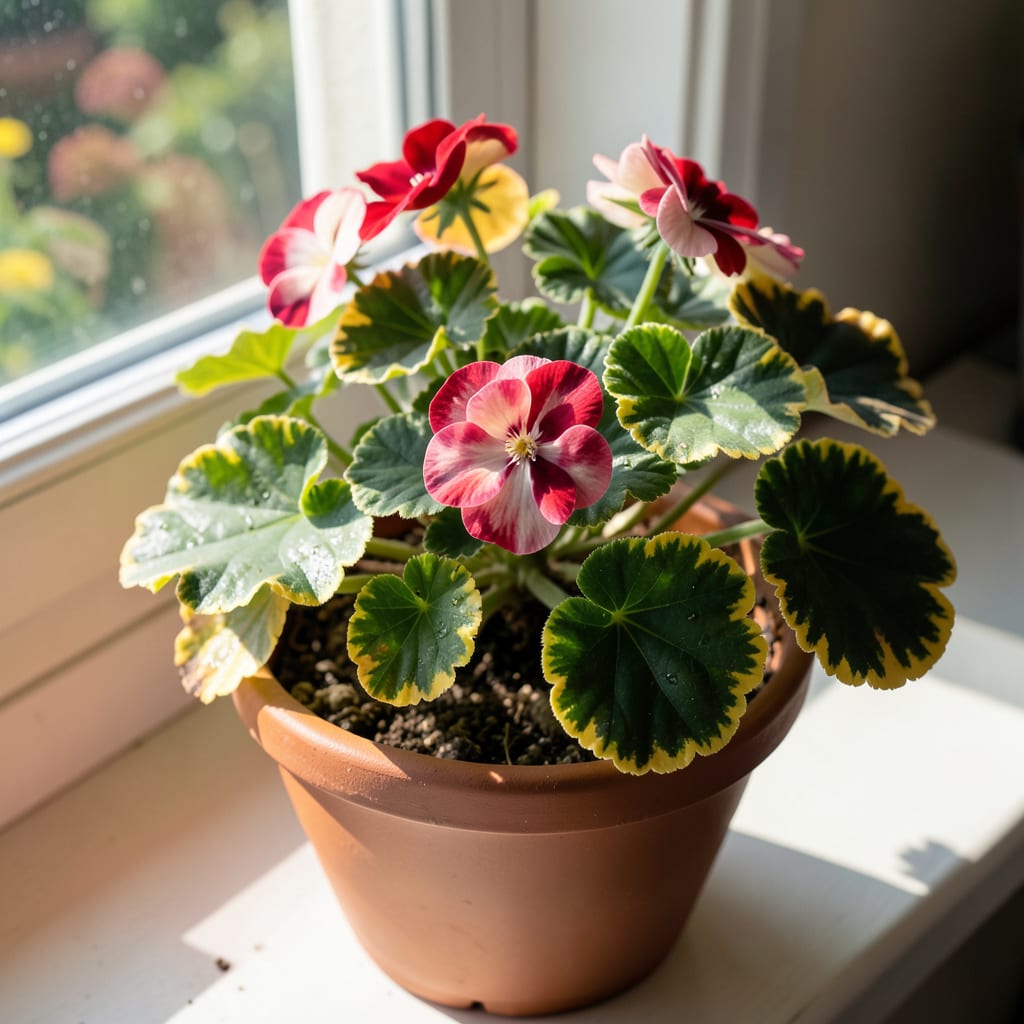
Yellow leaves on geraniums always feel like a gut punch after all that care. I’ve been there—staring at sad, drooping foliage wondering what went wrong. The good news? It’s rarely fatal, and usually fixable.
More often than not, it’s either too much water or not enough food. Geraniums hate soggy roots, and yellowing leaves are their way of screaming “I’m drowning.” On the flip side, pale leaves might mean they’re starving for nitrogen or iron.
Once you pinpoint the issue, recovery can be surprisingly fast. I’ve seen plants bounce back within 2-3 weeks with adjusted watering and a little fertilizer. The key is acting before the problem spreads.
Prevention is simpler than you think—consistent checks, proper drainage, and the right feeding schedule keep geraniums thriving all season long.
Geranium leaves turn yellow due to a mix of environmental, nutritional, and care-related factors. Here’s a breakdown of the most common causes:
Excess water suffocates the roots, preventing oxygen uptake and leading to root rot. Geraniums thrive in well-draining soil, and soggy conditions trigger stress responses, including chlorosis (yellowing). Check soil moisture before watering—only water when the top inch is dry.
Lack of key nutrients like nitrogen, iron, or magnesium can cause yellowing. Nitrogen deficiency often starts in older leaves, while iron deficiency (common in alkaline soil) causes interveinal yellowing (green veins). Use a balanced fertilizer (10-10-10) or iron chelates for quick correction.
Too little light weakens photosynthesis, leading to pale or yellow leaves. Conversely, intense direct sun can scorch foliage, causing yellow-brown patches. Geraniums prefer 6–8 hours of bright, indirect light daily.
Spider mites, aphids, or fungal infections (e.g., powdery mildew) stress the plant, disrupting nutrient flow. Inspect leaf undersides for pests and treat with neem oil or insecticidal soap. For fungi, improve airflow and avoid overhead watering.
Geraniums are sensitive to cold drafts (<50°F/10°C) or heat stress (>90°F/32°C). Sudden temperature shifts can trigger leaf yellowing. Maintain stable conditions and acclimate plants gradually to outdoor changes.
Actionable tip: Start with a soil test to rule out nutrient issues, then adjust watering and light exposure as needed. 💡
Here’s how to tackle each common cause of yellowing geranium leaves, with simple fixes and prevention tips to keep your plants thriving.
If soggy soil is the culprit, let the top 1-2 inches of soil dry out before watering again. Ensure pots have drainage holes, and use a well-draining potting mix. Prevention tip: Water deeply but less frequently—geraniums prefer slightly dry conditions over damp ones. 💡
Use a balanced, water-soluble fertilizer (10-10-10 or 20-20-20) every 2-4 weeks during the growing season. For nitrogen deficiency (pale yellow leaves), opt for a higher-nitrogen formula. Prevention tip: Avoid over-fertilizing—flushing the soil with water every few months removes excess salts. ✨
Move geraniums to a spot with at least 6-8 hours of bright, indirect sunlight daily. South- or west-facing windowsills are ideal. Prevention tip: Rotate pots weekly for even light exposure. 🎯
Check undersides of leaves for spider mites or aphids. Spray with insecticidal soap or neem oil, repeating every 5-7 days until pests are gone. Prevention tip: Wipe leaves regularly to deter pests. 🌡️
Trim yellow or brown leaves at the base to redirect energy to healthy growth. This also improves airflow. Prevention tip: Prune regularly to encourage bushier, vibrant foliage. 🌿
Water when the top 1-2 inches of soil feels dry. Typically, this means every 5-7 days in warm weather, less often in cooler months. Always check soil moisture first to avoid overwatering.
Unfortunately, once leaves turn yellow, they won’t revert to green. Focus on fixing the underlying issue and new growth should emerge healthy. Remove yellow leaves to redirect energy to healthy foliage.
A balanced 10-10-10 or 20-20-20 water-soluble fertilizer works well. Apply every 2-4 weeks during growing season, but reduce frequency if leaves start browning at the tips.
This often signals a nitrogen deficiency. Plants prioritize new growth, moving nitrogen from older leaves when supplies are low. A nitrogen-rich fertilizer can help restore balance.
