
Beautiful Plants For Your Interior
Beautiful Plants For Your Interior
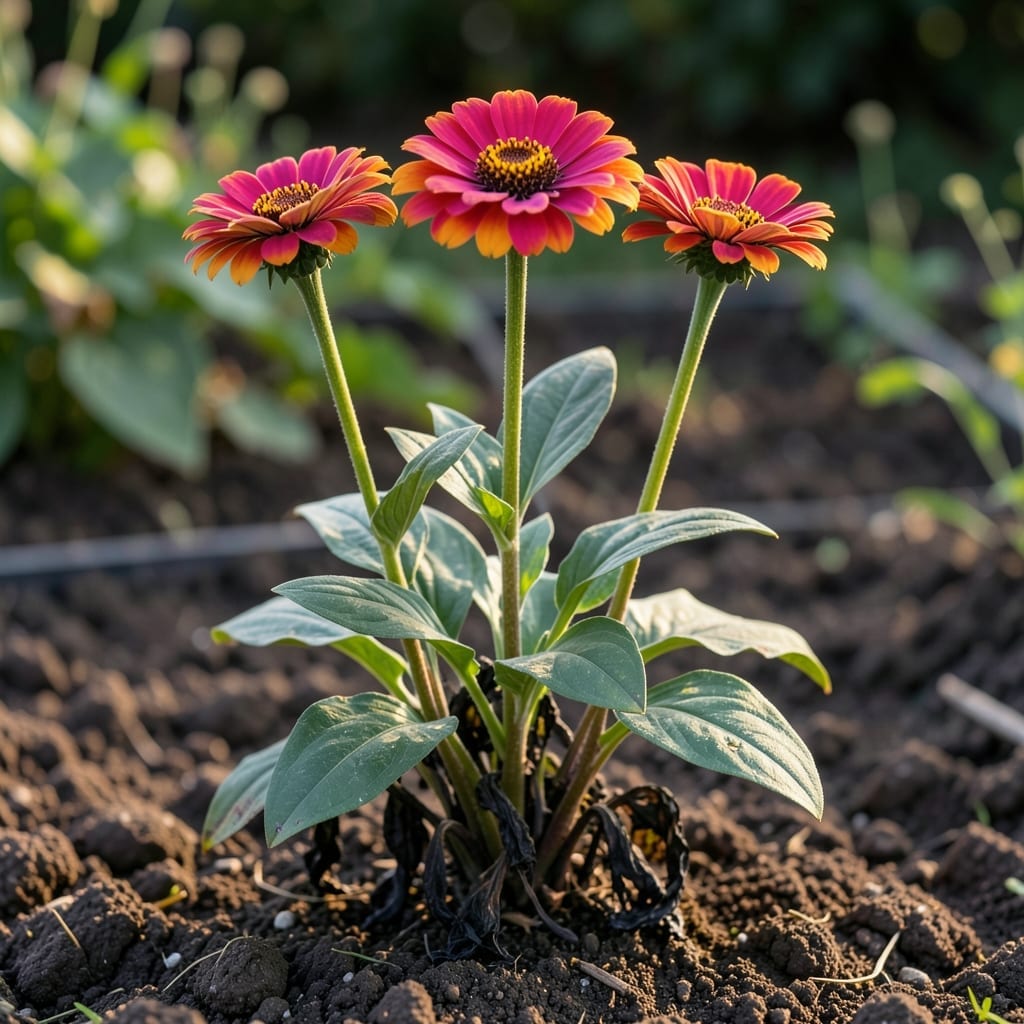
My zinnias were thriving one week, then wilting the next. Stem rot hits fast and hard, turning healthy plants into drooping casualties overnight.
I spotted the first signs—soft, discolored stems at the base—too late that season. The rot spreads upward, blackening tissue and cutting off water flow. Catching it early means the difference between saving your plants or watching them collapse.
Organic fixes do work, but timing is everything. Remove affected stems immediately and adjust your watering habits. Most cases stem from poor drainage or overwatering in humid conditions.
Prevention is simpler than cure. Space plants properly, water at the base, and keep the garden clean. These steps keep stem rot from ever taking hold.
Understanding why zinnia stem rot occurs is the first step to preventing it. This frustrating issue often stems from a combination of environmental, biological, and cultural factors. Below are the most common causes, explained clearly so you can take action.
Overwatering or poor drainage creates the perfect breeding ground for Phytophthora and Pythium, the fungi most responsible for stem rot. These pathogens thrive in soggy soil, attacking the zinnia’s base and restricting nutrient flow. Solution: Water at the base (not overhead) and ensure your garden bed or container has excellent drainage.
Dense plantings or crowded garden beds trap humidity around zinnias, encouraging fungal spores to settle and multiply. Stagnant air also slows evaporation, keeping foliage and stems damp for longer. Solution: Space plants 12–18 inches apart and prune excess foliage to improve airflow.
Zinnias are heat-lovers, but sudden temperature swings—especially cool, wet nights—stress the plants and weaken their natural defenses. Stress makes them more susceptible to opportunistic fungi. Solution: Use row covers during unexpected cold snaps and plant after the last frost when soil is warm.
Fungal spores can linger in soil or on gardening tools from previous infections. If you reuse pots, soil, or pruners without sterilizing, you risk introducing pathogens to healthy zinnias. Solution: Rotate crops, use fresh potting mix, and disinfect tools with a 10% bleach solution between uses.
Stem rot in zinnias can often be reversed if caught early. Below are targeted solutions for the most common causes, along with prevention tips to keep your plants thriving.
Fix: Stop watering immediately and let the soil dry out. If the plant is in a container, move it to a sunnier, breezier spot. For garden beds, improve drainage by mixing in compost or sand. Trim any blackened, mushy stems with sterilized pruners to prevent the rot from spreading.
Prevent it: Water only when the top inch of soil is dry. Use well-draining soil and pots with drainage holes. 💡 Pro tip: Water in the morning so excess moisture evaporates during the day.
Fix: Remove and destroy infected stems (do not compost them). Apply a natural fungicide like neem oil or a baking soda solution (1 tbsp baking soda + 1 tsp dish soap + 1 gallon of water) to the remaining plant and soil. Repeat every 5–7 days until the issue resolves.
Prevent it: Space plants at least 12–18 inches apart for airflow. Avoid overhead watering to keep foliage dry. ✨ Pro tip: Mulch with straw to reduce soil splashing onto stems.
Fix: Replace the top 2–3 inches of soil around the plant with fresh, sterile potting mix. Disinfect pruners or shears with rubbing alcohol before and after use.
Prevent it: Rotate planting locations yearly to prevent soilborne pathogens. Clean tools after each use, and avoid working with plants when they’re wet.
Fix: Thin seedlings to allow airflow and reduce competition. Support weak stems with stakes or a tomato cage to prevent breakage, which can invite rot.
Prevent it: Start seeds in small groups and transplant the strongest ones. Harden off seedlings before moving them outside to strengthen their resistance.
Look for soft, discolored patches at the stem base, often turning brown or black. The affected area may feel mushy and emit a foul odor.
Yes, if caught early! Remove infected stems immediately and improve drainage. Healthy parts often regrow with proper care.
Space plants 12–18 inches apart, water at the base, and ensure good drainage. Avoid overhead watering to keep foliage dry.
No, never compost infected stems. This can spread fungal spores to other plants. Dispose of them in the trash instead.