
Beautiful Plants For Your Interior
Beautiful Plants For Your Interior
Root rot sneaks up on even the most attentive gardeners. I’ve lost more plants to soggy soil than I’d like to admit—until I discovered how neem oil can stop this silent killer in its tracks. The first sign is usually wilting leaves that don’t perk up after watering, followed by that telltale musty smell from […]
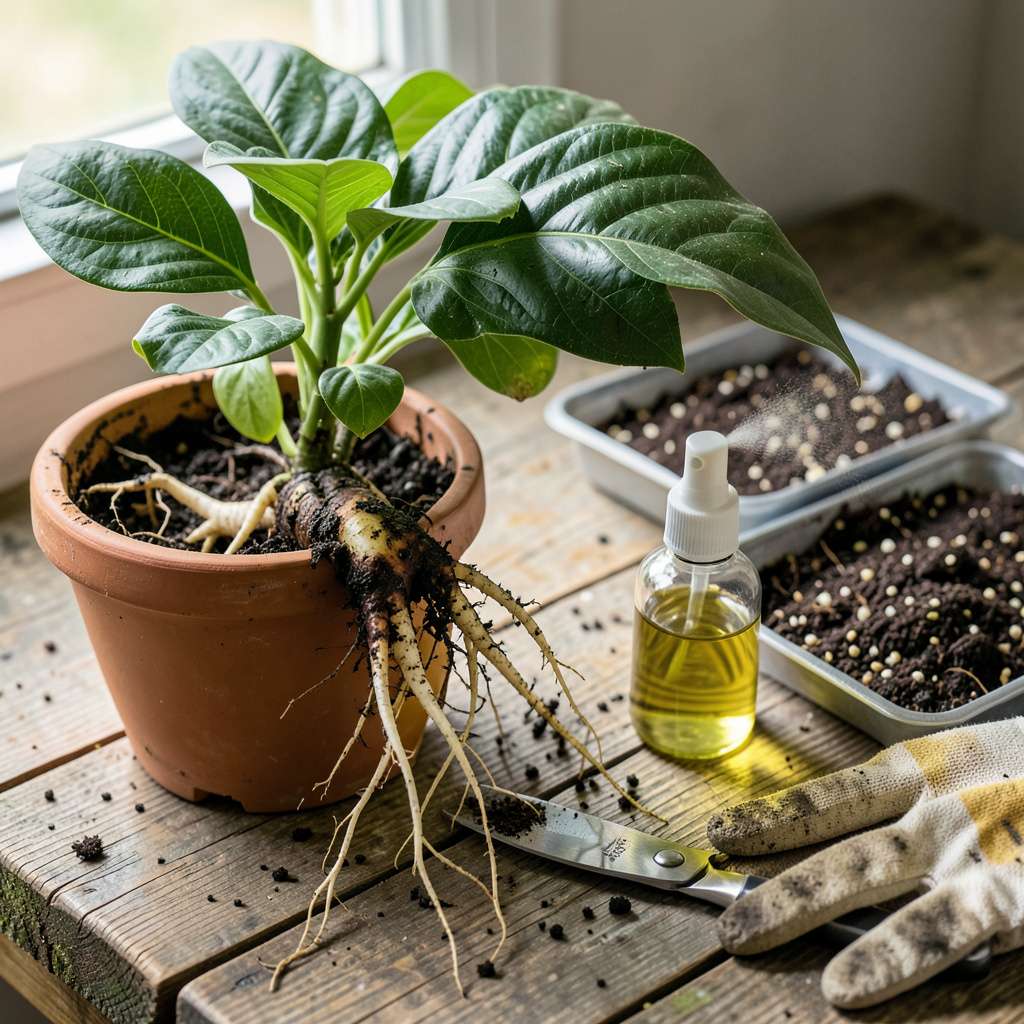
Root rot sneaks up on even the most attentive gardeners. I’ve lost more plants to soggy soil than I’d like to admit—until I discovered how neem oil can stop this silent killer in its tracks. The first sign is usually wilting leaves that don’t perk up after watering, followed by that telltale musty smell from the soil. By then, you’re in a race against time to save your plant.
Here’s what changed everything for me: neem oil isn’t just a pesticide—it’s a natural fungicide that targets the pathogens causing root rot while being gentle on the plant itself. I’ve used it to rescue everything from overwatered houseplants to rain-soaked garden vegetables. The key is applying it correctly at the first warning signs, before the roots turn completely mushy and black.
You’ll need just three things: cold-Pressed Neem Oil Pesticide: Organic Solution for Garden Pests”>pressed neem oil, a mild liquid soap to help it mix with water, and a spray bottle. The treatment takes less than 10 minutes but can mean the difference between a thriving plant and a compost pile addition. I keep these supplies on hand now—because root rot doesn’t wait for convenient timing.
What surprised me most? Plants treated with neem oil don’t just survive—they bounce back stronger. New root growth appears within 7-14 days, and the soil ecosystem actually improves over time. This isn’t just damage control; it’s how you build resilience against future problems.
📚 In This Guide
This method stops fungal spread while protecting your plant’s delicate roots—no harsh chemicals required.
Gently slide the plant from its pot and examine the roots. Healthy roots appear white or light tan and feel firm, while rotten roots look dark brown/black, mushy, and may emit a foul odor. Shake off as much infected soil as possible without tugging on roots—this prevents reinfection when you repot.
Use sterilized scissors to trim away all blackened, soft roots, cutting back to where tissue appears white and firm. I dip my pruners in 70% isopropyl alcohol between cuts to avoid spreading pathogens. Never reuse contaminated soil—dispose of it in sealed bags to prevent spreading spores to other plants.
Neem oil separates from water unless properly emulsified. In 1 gallon of warm water, mix 2 tablespoons of cold-pressed neem oil with 1 teaspoon of mild liquid soap (I use Castile). Whisk vigorously until the solution turns milky white—this indicates the oil has fully dispersed.
The soap acts as a surfactant, helping the neem coat roots evenly. Test the pH if possible—neem works best at 6.0-7.0 pH. If your water is alkaline (common in tap water), add a few drops of vinegar to lower it slightly. Never apply neem in direct sunlight; the combination can burn roots.
Pour the neem solution into a clean bucket deep enough to submerge the root ball. Gently lower the roots and soak for 10-15 minutes maximum. You’ll see air bubbles rising as the solution penetrates the root system—this is normal and indicates proper absorption.
Longer soaks risk oxygen deprivation. After soaking, let roots drip-dry for 5 minutes before repotting. The neem residue forms a protective barrier against fungal spores while allowing water and nutrient uptake. Avoid rinsing—you want that fungicidal layer to remain intact.
Use a fresh, well-draining potting mix amended with 20-30% perlite or coarse sand. I also incorporate 1 tablespoon of cinnamon powder per gallon of mix—its natural antifungal properties complement the neem. Choose a pot with multiple drainage holes and add a 1-inch layer of gravel at the base.
Position the plant so the crown sits 1 inch above the soil line to prevent stem rot. Water lightly with plain water to settle the mix, then wait 48 hours before applying neem again as a soil drench. This interval lets roots recover from transplant stress while maintaining fungal suppression.
Repeat the neem soak every 7-10 days for 3-4 weeks, or until you see new white root growth. Between treatments, water only when the top 2 inches of soil feel dry—overwatering now will sabotage your progress. I use a moisture meter to take the guesswork out of this critical phase.
Watch for yellowing leaves (normal as roots regenerate) versus black spots (sign of persistent infection). If rot spreads after two treatments, the plant may be too compromised to save. In that case, dispose of it and sterilize the pot with 10% bleach solution before reuse.
After saving countless plants from root rot, I’ve learned these critical details make all the difference between success and failure.
Solution Preparation: When mixing your neem solution in Step 2, the water temperature matters more than you might think. Use warm water (about 80°F)—not hot, not cold—to properly emulsify the 2 tablespoons of cold-pressed neem oil with 1 teaspoon of mild liquid soap. Cold water causes the oil to clump, while hot water can degrade its active compounds. The milky white appearance you’re aiming for won’t happen with cold water, and you’ll end up with uneven coverage on your roots.
Root Soaking Technique: During the 10-15 minute soak in Step 3, gently agitate the roots every few minutes to dislodge any remaining soil particles and ensure complete coverage. I’ve found that roots with dense soil clumps benefit from a brief, gentle rinse with plain water before the neem soak—just be thorough about drying them for the full 5 minutes afterward. This extra step prevents diluted neem concentration where it matters most.
Environmental Control: The 48-hour waiting period after repotting in Step 4 isn’t just about root recovery—it’s about creating the ideal microenvironment. Place your treated plant in bright, indirect light (never direct sun) with 50-60% humidity if possible. A clear plastic bag tented over the plant (not touching leaves) creates perfect conditions. Remove it for an hour daily to prevent excess moisture buildup while maintaining that critical humidity balance.
Follow-Up Precision: When repeating treatments every 7-10 days as outlined in Step 5, mark your calendar and set phone reminders. The timing isn’t arbitrary—it aligns with fungal spore germination cycles. Missing a treatment by even 2-3 days gives the fungus a chance to regain its foothold. I use the shorter 7-day interval for severely infected plants and 10 days for mild cases showing improvement.
Apply neem oil every 7–10 days until symptoms improve, typically 2–3 treatments. For severe cases, dilute 1 tbsp oil per gallon of water and soak the root zone. Avoid overuse—stick to the schedule to prevent stressing plants.
Mix 1 tsp neem oil per gallon of water and drench the soil monthly during wet seasons or for prone plants (like succulents). It disrupts fungal spores before they take hold—great for high-humidity areas.
If roots stay mushy, black, or smelly after 2–3 treatments, the rot may be advanced. Combine neem with hydrogen peroxide (1:10 ratio) for stubborn cases, or repot in fresh, sterile soil. Act fast—delay worsens damage!
Try cinnamon powder (antifungal) or chamomile tea (mild antiseptic) as soil drenches. For pets, move treated plants out of reach until soil dries (24–48 hours). Always wear gloves when handling neem!
Avoid mixing with chemical fungicides—it can reduce effectiveness or harm plants. Instead, alternate treatments (e.g., neem one week, baking soda spray the next). Test on a small area first to check for reactions.
Neem oil is a powerful, natural ally in the fight against root rot—offering antifungal properties without harsh chemicals. 🌱 By catching symptoms early and applying it correctly, you can revive struggling plants and prevent future outbreaks with ease.
Ready to give your plants a fighting chance? Start with a small test patch today, then expand as you see results. For stubborn cases, pair neem oil with improved drainage and proactive care routines to keep your garden thriving! 💚
