
Beautiful Plants For Your Interior
Beautiful Plants For Your Interior
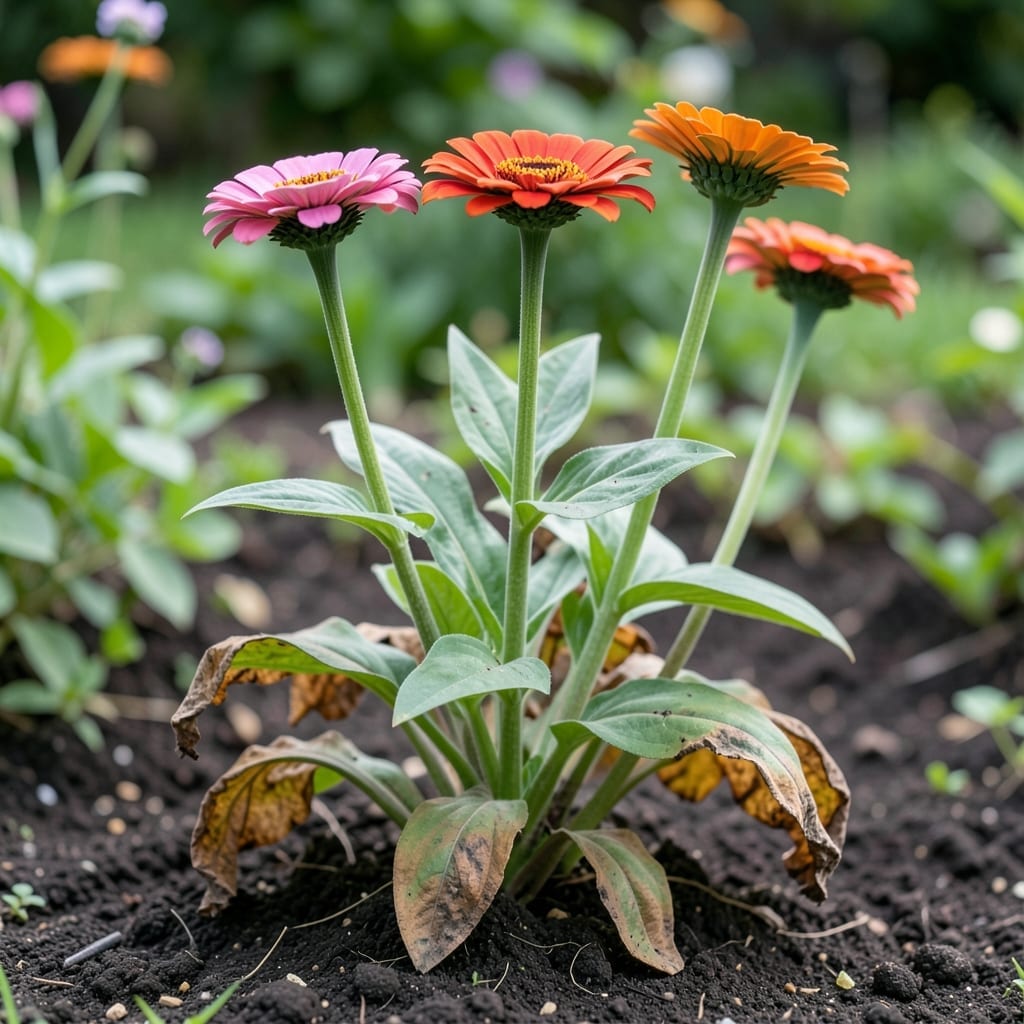
Brown leaves on zinnias always feel like a gut punch after all that planting and waiting. I’ve seen it happen overnight—healthy green foliage turning crisp and ugly, and the worst part is that three completely different problems can look identical at first glance.
Sometimes it’s too much water, sometimes not enough, and sometimes it’s a fungus that moved in when you weren’t looking. The fix starts with figuring out which one you’re dealing with, and I’m sharing the exact checks that saved my zinnias last season.
You’ll spot the difference between water stress and disease within 24 hours of testing, and the natural remedies work fast. No harsh chemicals needed—just smart adjustments to your routine.
Works for container zinnias, garden beds, or anywhere you’re growing these cheerful bloomers. Here’s how to diagnose and fix it for good.
Zinnias are vibrant and hardy, but even these resilient flowers can develop unsightly brown leaves. Here’s why it happens:
Zinnias thrive in full sun, but extreme heat—especially above 90°F (32°C)—can scorch their leaves. Photosynthesis overload causes leaf tissue to die, turning edges or entire leaves brown and crispy. This is common in mid-summer or in regions with intense afternoon sun.
Inconsistent moisture levels are a leading cause. Underwatering leads to dry, brittle brown edges as cells collapse from lack of hydration. Conversely, overwatering suffocates roots, preventing nutrient uptake and causing yellowing that progresses to brown. Zinnias prefer 1 inch of water per week, with well-draining soil to avoid root rot.
Pathogens like Alternaria or Septoria leaf spot thrive in humid conditions. These fungi create circular brown spots with yellow halos, often starting on lower leaves. Poor air circulation or overhead watering (which keeps foliage wet) accelerates spore spread. Copper-based fungicides can help, but prevention via spacing plants 12–18 inches apart is key.
Sap-sucking pests like aphids and spider mites weaken zinnias by draining fluids, leaving behind brown, wilted, or stippled leaves. Thrips can also cause silvery-brown streaking. Inspect leaf undersides for tiny bugs or webbing, and treat with neem oil or insecticidal soap at first signs.
A lack of potassium or magnesium often manifests as brown leaf margins (edges) while veins stay green. Over-fertilizing with nitrogen, meanwhile, can burn roots, leading to widespread browning. A balanced 10-10-10 fertilizer applied every 4–6 weeks helps maintain healthy foliage.
Brown leaves on your zinnias can be frustrating, but most causes are easy to fix with a few adjustments. Below are targeted solutions for the most common issues, along with prevention tips to keep your plants thriving.
If dry soil is the culprit, give your zinnias a deep watering at the base (avoid wetting the leaves). Water early in the morning so the soil stays moist but not soggy. Prevention tip: 💡 Mulch around the base with organic matter to retain moisture. Aim for 1–1.5 inches of water per week, adjusting for heatwaves.
Soggy roots lead to brown, wilted leaves. Stop watering immediately and let the top 1–2 inches of soil dry out. If the pot lacks drainage holes, repot your zinnia into a container with holes, or amend garden beds with compost or sand to loosen heavy soil. Prevention tip: ✨ Use a moisture meter to check soil before watering—zinnias prefer slightly dry conditions over wet.
If leaves crisp up in intense sun, move potted zinnias to a spot with morning sun and afternoon shade. For in-ground plants, use shade cloth during peak heat (1–4 PM). Prevention tip: 🌡️ Acclimate seedlings gradually to full sun over a week to toughen them up.
For leaf spot or powdery mildew, prune affected leaves (disinfect shears between cuts) and dispose of them in the trash—not compost. Spray remaining foliage with a baking soda solution (1 tsp baking soda + 1 quart water + a drop of dish soap) or neem oil. Prevention tip: 🎯 Space plants 12–18 inches apart for airflow and water at the base to keep leaves dry.
Blast aphids or spider mites off with a strong stream of water, then apply insecticidal soap or a garlic-chili spray (blend 2 garlic cloves + 1 chili pepper + 1 quart water, strain, and spray). Prevention tip: 🌿 Encourage ladybugs and lacewings (natural predators) by planting companion flowers like marigolds or alyssum nearby.
Check the soil 2 inches down—if it’s bone dry and leaves feel crisp, underwatering is likely. Leaves will also appear curled or droopy during the hottest part of the day.
Unfortunately, no. Once leaves turn brown, the damage is permanent. Prune them off to redirect energy to healthy growth. Focus on fixing the underlying issue to prevent new leaves from browning.
Yes! Too much fertilizer, especially nitrogen, can burn roots and lead to brown, scorched-looking leaves. Stick to a balanced 10-10-10 formula every 4–6 weeks and always water before and after applying.
If only a few leaves are brown and the stems are still firm, your zinnias can recover. Remove damaged foliage, adjust care, and monitor new growth. Healthy stems mean there’s still hope!