
Beautiful Plants For Your Interior
Beautiful Plants For Your Interior
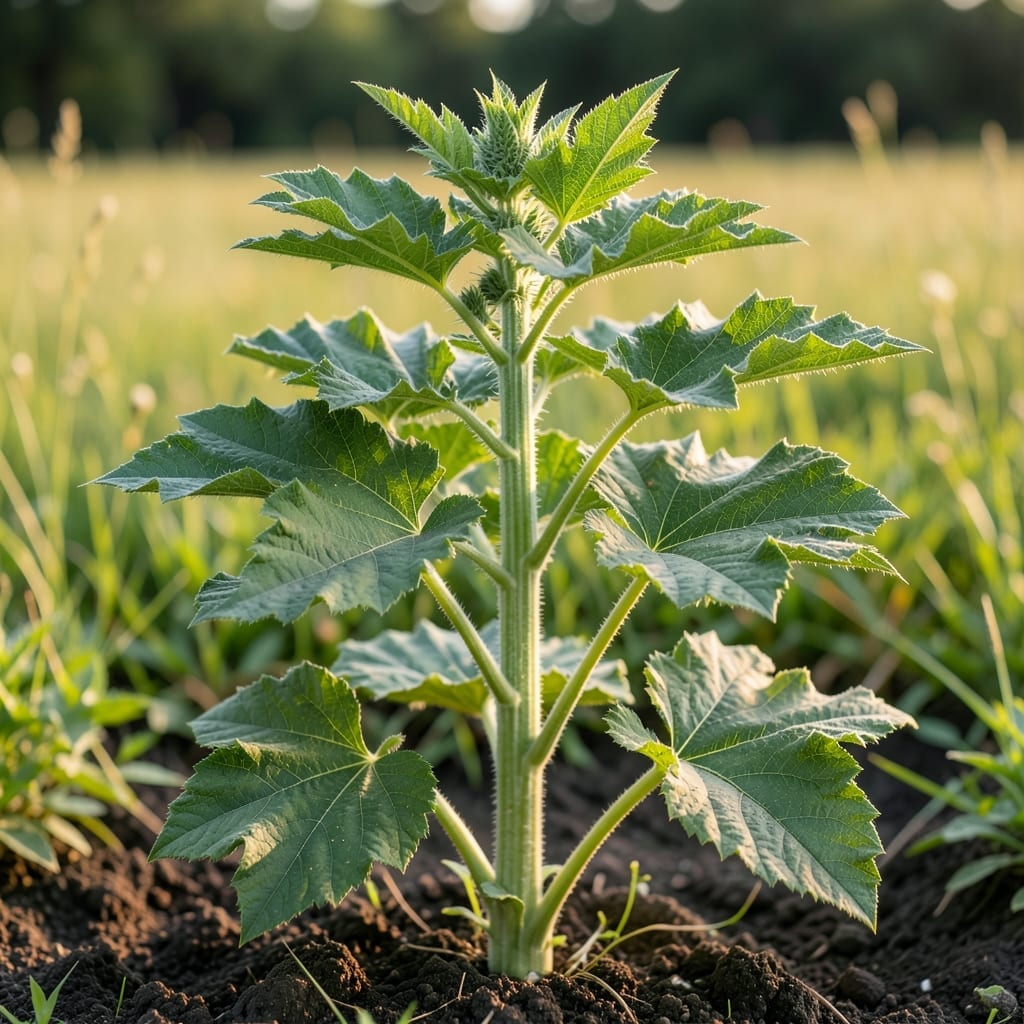
I first spotted young hogweed leaves while hiking last spring. Bright green and deeply lobed, they looked harmless at first glance.
Here’s the thing—this plant demands respect. The sap causes severe skin reactions when exposed to sunlight, and the leaves can be mistaken for edible wild greens. Proper identification is your first line of defense.
You’ll notice the stems have purple blotches and fine hairs, while the leaves grow up to 3 feet wide. Always wear gloves and long sleeves when handling.
This guide covers safe recognition, handling precautions, and what to do if you accidentally come in contact. Knowledge is your best protection.
The sensitivity reactions caused by young hogweed leaves stem from their phototoxic compounds, primarily furocoumarins. These chemicals interact with sunlight to trigger skin inflammation, blistering, and long-term damage. Below are the key reasons this happens:
Hogweed produces furocoumarins as a protection against herbivores. These compounds deter animals from eating the plant by making it toxic when exposed to UV light. When human skin contacts the sap and is then exposed to sunlight, the furocoumarins bind to DNA in skin cells, causing severe reactions.
The real damage occurs when furocoumarins absorb ultraviolet A (UVA) light. This energy activates the compounds, leading to oxidative stress in skin cells. The result is phytophotodermatitis—a painful, blistering rash that can leave dark scars for months or even years.
Young hogweed leaves have higher concentrations of toxic sap compared to mature plants. Their tender stems and leaves are more likely to release sap upon contact, increasing the risk of skin exposure. Even brief contact followed by sunlight can trigger a reaction within 15–48 hours.
Furocoumarins are lipid-soluble, meaning they easily penetrate the skin. Once absorbed, they remain in the epidermis for hours, waiting to react with sunlight. Washing the area immediately with soap and water can reduce—but not eliminate—the risk if done within 30 minutes of contact.
Dealing with skin reactions or irritation from young hogweed leaves requires quick and careful action. Below are practical solutions tailored to common issues, along with prevention tips to keep you safe.
If sap from the plant touches your skin, wash the area immediately with soap and cool water. Avoid sunlight for at least 48 hours, as UV exposure can worsen the reaction. Apply aloe vera gel or calamine lotion to soothe the skin. For severe blisters or pain, seek medical attention.
Prevention: Always wear long sleeves, gloves, and protective eyewear when handling hogweed. Use tools to cut or remove the plant instead of your bare hands.
If someone ingests young hogweed leaves, do not induce vomiting. Rinse their mouth with water and call Poison Control or visit the emergency room immediately. Symptoms like nausea or dizziness may appear within hours.
Prevention: Teach children and pets to avoid unknown plants. Clearly mark areas where hogweed grows, and remove it safely if found in your garden.
To eliminate hogweed from your property, dig out the roots (wear protective gear!) or use a herbicide labeled for invasive species. Bag and dispose of all plant parts in the trash—never compost them. Monitor the area for regrowth.
Prevention: Regularly inspect your yard for new shoots, especially in damp or shaded areas where hogweed thrives.
💡 Pro Tip: Keep a bottle of rubbing alcohol and soap in your first-aid kit to clean skin exposed to hogweed sap on the go.
Look for deeply lobed leaves up to 3 feet wide with jagged edges. Stems often have purple blotches and fine hairs. Always check for the plant’s towering height (5-15 feet) when mature.
Wash the area immediately with soap and cool water. Avoid sunlight for 48 hours to prevent photodermatitis. Use aloe vera or calamine lotion to soothe irritation.
No. Even young leaves contain phototoxic compounds that cause severe reactions when exposed to sunlight. Always wear gloves, long sleeves, and eye protection when handling.
Never compost any part of the plant. The toxins remain active and can spread. Bag and dispose of all plant material in the trash.