
Beautiful Plants For Your Interior
Beautiful Plants For Your Interior
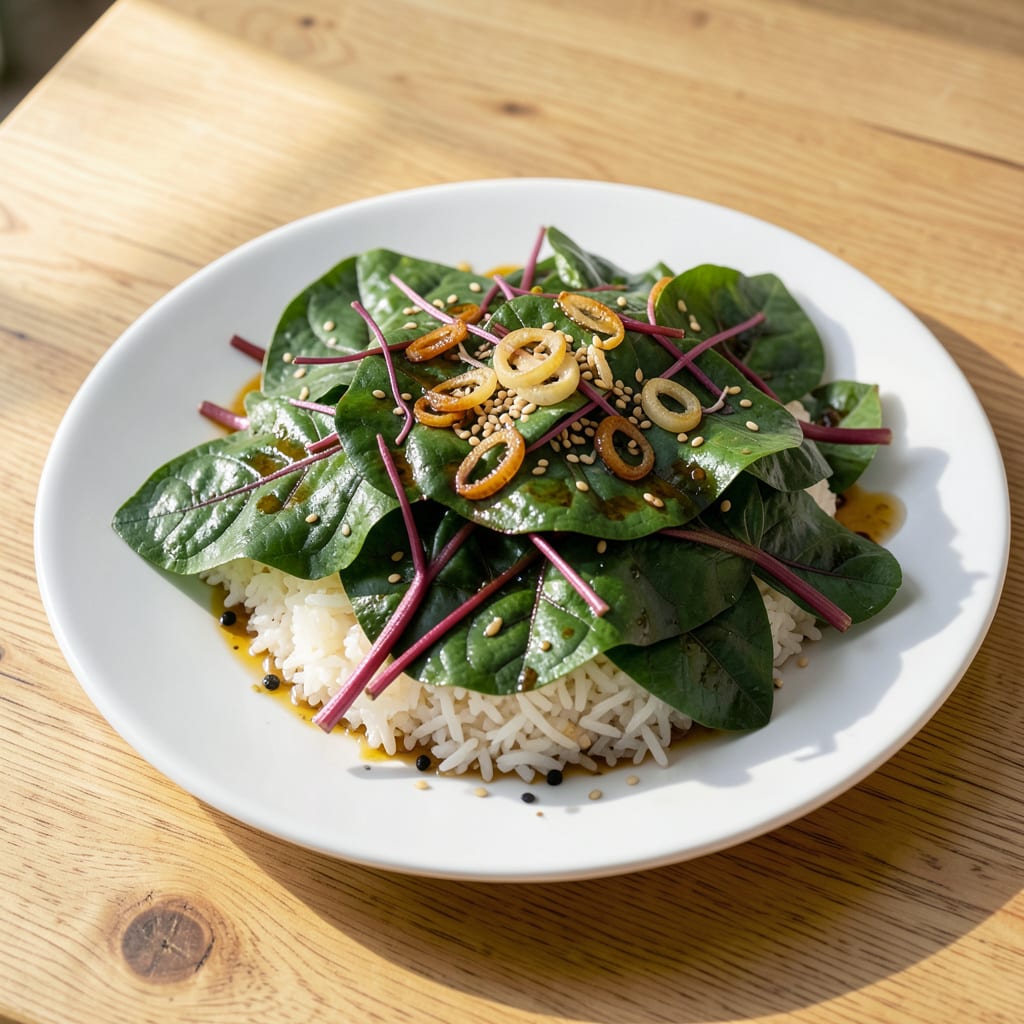
I started harvesting sweet potato leaves last summer, and it changed everything. The young shoots are tender, nutrient-packed, and regrow quickly after cutting.
With the right approach, you can pick leaves for months without harming the plant. The key is timing—wait until vines reach 12-18 inches, then harvest the top few leaves to encourage bushier growth.
📚 In This Guide
Here’s the method I rely on for a steady harvest without harming the plant.
Start by locating vines with at least 8-10 fully expanded leaves—this ensures the plant has enough foliage to continue photosynthesizing. I always target the outer leaves first, as they’re the oldest and most developed. Avoid the small, tender leaves near the vine tips; they’re still growing and contribute to future production.
The ideal leaf for picking has a deep green color and a firm, slightly waxy texture. If you see yellowing or spots, leave those—they indicate stress or disease. Healthy leaves snap cleanly at the stem when bent, which is your signal they’re ready for harvest.
Sanitize a pair of sharp scissors or pruning shears with rubbing alcohol before starting. This prevents the spread of pathogens that could infect the plant through fresh cuts. I prefer bypass pruners for their clean cuts, but even kitchen scissors work if they’re sharp.
Dull tools crush stems, creating entry points for bacteria and slowing the plant’s recovery. Wipe the blades between plants if you’re harvesting from multiple vines. A quick wipe with a paper towel soaked in alcohol keeps everything sterile and your plants thriving.
Cut individual leaves at their base where they meet the vine, leaving the stem and any adjacent buds intact. Never remove more than 30% of the foliage at once—this maintains the plant’s ability to produce energy and regrow. I harvest from different vines each time to distribute the stress.
If you need a larger quantity, take entire vines from the outermost edges of the plant, cutting back to a node where new growth can emerge. The plant will sprout new shoots from these points, often resulting in bushier growth. Always leave at least 3-4 leaves on each vine to sustain photosynthesis.
Pick leaves in the early morning after the dew has dried but before the heat of the day sets in. This is when the foliage has the highest moisture content and the best flavor. I notice leaves harvested midday can taste slightly bitter and wilt faster.
For continuous yields, return to harvest every 7-10 days during the active growing season. The plant will replace what you’ve taken surprisingly quickly, especially if it’s receiving full sun and regular water. Watch for new growth at the nodes—this is your sign it’s ready for another light harvest.
Rinse the leaves gently under cool water to remove any soil or debris. Pat them dry with a clean towel or let them air-dry on a rack. I avoid soaking them, as prolonged moisture can lead to spoilage.
Store unwashed leaves in a sealed container in the refrigerator for up to 5-7 days. For best flavor, use them within 2-3 days. If you notice any wilting or discoloration, discard those leaves immediately to prevent them from affecting the rest of your harvest.
These insights will help you maximize your harvest while keeping plants healthy and productive.
The Selection Factor: In Step 1, focus on vines with at least 8-10 fully expanded leaves, as these indicate mature, photosynthesizing foliage. The outer leaves are your best targets because they’re the oldest and most developed, while the tender tips are still growing. I learned the hard way that ignoring this leads to stunted future growth.
Tool Sanitization: Step 2 isn’t just about sharpness—it’s about cleanliness. Always sanitize your tools with rubbing alcohol before starting. Dull blades crush stems, but dirty blades spread disease. Between us, I’ve ruined entire plants by skipping this step once. Wipe blades between vines to keep everything sterile.
Strategic Harvesting: The 30% rule in Step 3 is non-negotiable. Removing more than this at once stresses the plant and reduces its ability to regrow. When taking entire vines, always leave 3-4 leaves on each to sustain photosynthesis. This approach actually encourages bushier, more productive growth over time.
Yes! Young sweet potato leaves are edible raw and often used in salads. They have a mild, slightly sweet flavor similar to spinach. Just ensure they’re pesticide-free and washed thoroughly before consuming.
You can harvest leaves every 2-3 weeks during the growing season. Avoid taking more than 30% of the foliage at once to keep the plant healthy and productive.
Early morning is ideal! The leaves are crisp and full of moisture. Harvesting later in the day can result in wilted or less flavorful greens.
Bitterness can occur in older leaves. Stick to harvesting young, tender leaves for a milder taste. Cooking them can also reduce bitterness.
Yellowing may indicate overwatering, nutrient deficiency, or pests. Check soil moisture and fertility, and inspect for signs of infestation. Adjust care as needed to revive the plant.
