
Beautiful Plants For Your Interior
Beautiful Plants For Your Interior
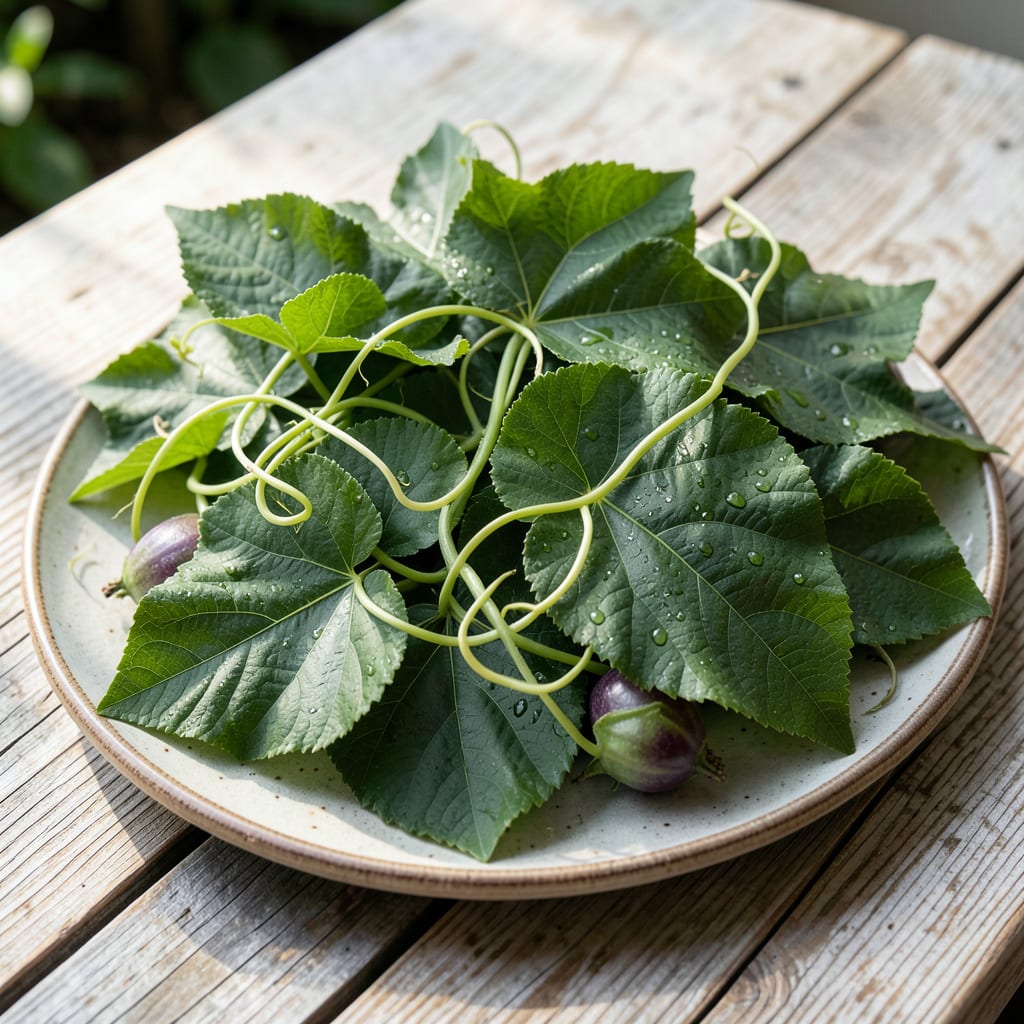
Those first delicate leaves on your passion fruit vine hold the key to its future. I learned early that their vibrant green color and slightly serrated edges signal healthy growth when conditions are right.
Watch for yellowing or curling—early signs of trouble. With proper sunlight, consistent moisture, and gentle care, these leaves transform into the foundation of a vigorous, fruit-bearing vine.
📚 In This Guide
Here’s how I nurture young vines to produce vibrant, disease-resistant foliage every season.
Passion fruit thrives in well-draining soil with a pH between 6.0 and 7.0. I always amend the planting area with compost to improve fertility and drainage. The vines need full sun—at least 6-8 hours of direct light daily—to develop strong, healthy leaves.
If your climate has cold winters, start seeds indoors 8-10 weeks before the last frost. Use a seedling heat mat to maintain soil temperatures around 70-80°F for optimal germination. Without warmth, seeds may take 3-4 weeks to sprout, if at all.
Young passion fruit vines need consistent moisture, especially during the first 4-6 weeks of growth. I water deeply once the top inch of soil feels dry, ensuring the root zone stays evenly moist but never soggy. Drip irrigation works best to keep foliage dry and prevent fungal issues.
Watch for wilting or yellowing leaves—both signal water stress. Wilting often means underwatering, while yellowing can indicate overwatering or poor drainage. Adjust your routine based on the plant’s response, not just a rigid schedule.
Passion fruit vines are aggressive climbers and need a sturdy trellis or fence from the start. I install a 6-foot tall trellis at planting time to avoid disturbing roots later. Train young vines by gently tying them to the support with soft plant ties as they grow.
Without proper support, vines sprawl on the ground, increasing disease risk and reducing leaf quality. You’ll see healthier, more vigorous growth when vines can climb freely. Prune any errant shoots that stray from the trellis to direct energy upward.
Once the first true leaves appear, I begin a regular feeding schedule with a balanced 10-10-10 fertilizer every 4-6 weeks. Passion fruit is a heavy feeder, and insufficient nutrients lead to pale, sparse foliage.
Switch to a high-potassium fertilizer when the vine starts flowering to support both leaf and fruit production. Always water before and after applying fertilizer to prevent root burn. Yellowing between leaf veins often signals a magnesium deficiency—Epsom salt can correct this quickly.
Young passion fruit leaves are susceptible to aphids, spider mites, and fungal diseases like powdery mildew. I inspect the undersides of leaves weekly for early signs of trouble. A strong blast of water can dislodge aphids, while neem oil treats both pests and fungal issues effectively.
Remove any damaged or diseased leaves immediately to prevent spread. Good air circulation is key—space vines 3-4 feet apart and prune excess growth to keep the center of the plant open. Healthy vines reward you with glossy, deep green leaves that resist most problems.
Small adjustments in your approach can make a big difference in leaf health and growth.
The Light Factor: Passion fruit vines require that full 6-8 hours of direct light daily mentioned in Step 1. I’ve found that morning sun is particularly beneficial as it dries dew quickly, reducing fungal risks. If your space gets partial shade, supplement with grow lights to hit the target.
Soil Temperature Secret: For those starting seeds indoors as outlined in Step 1, maintaining soil at 70-80°F is non-negotiable. I learned this the hard way after losing an entire tray of seeds that never sprouted in cooler conditions. A seedling heat mat is worth the investment.
Watering Wisdom: The 4-6 weeks of focused moisture in Step 2 are critical for root establishment. Here’s what nobody tells you—passion fruit vines hate wet feet. Always check that top inch of soil before watering, and use your finger, not just visual inspection. The difference between thriving and struggling vines often comes down to this simple check.
Support System: Don’t wait until vines are sprawling to add that 6-foot tall trellis from Step 3. I install mine at planting time to avoid disturbing the root system later. Between us, I’ve tried cheaper bamboo stakes, but they can’t handle the aggressive growth of mature vines.
While not toxic, young passion fruit leaves are bitter and not typically eaten. They’re best left on the vine to support growth and fruit production.
Prune young leaves sparingly—only if they’re damaged or overcrowded. Focus on shaping the vine once it’s established, usually after the first 6-12 months.
Use neem oil or insecticidal soap for aphids and mites. Keep the area clean and inspect leaves regularly for early signs of trouble.
Yellowing leaves often signal overwatering, nutrient deficiency, or poor drainage. Adjust watering and check soil quality to revive your vine.
