
Beautiful Plants For Your Interior
Beautiful Plants For Your Interior
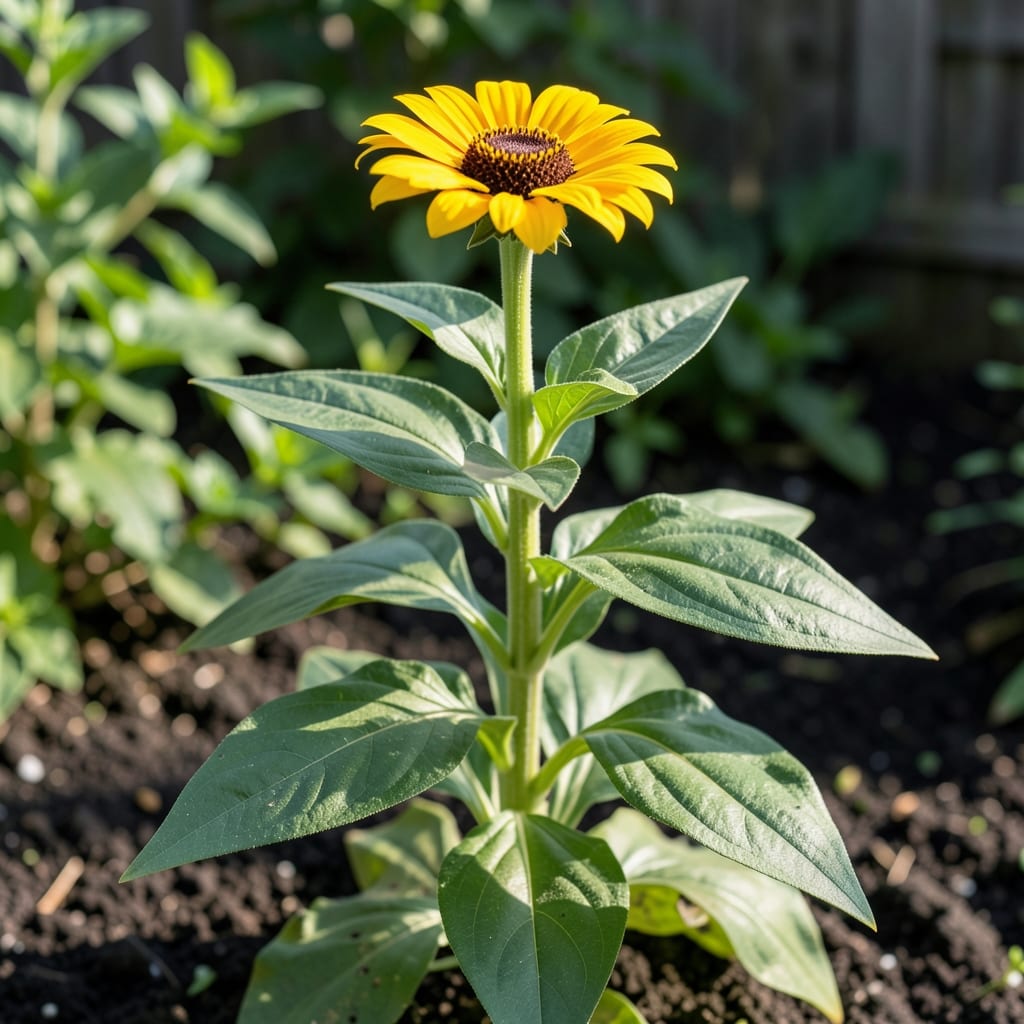
Spotting yellow leaves on your zinnias means it’s time to act fast. I’ve saved countless plants by catching this early, and the fix is often simpler than you think.
Most cases come down to water stress, nutrient gaps, or sneaky pests. The good news? A few small tweaks can turn those leaves vibrant green again within 2 weeks.
You’ll learn to spot the difference between thirsty plants and overwatered ones, and which natural treatments actually work without harsh chemicals.
Works for container zinnias, garden beds, or even those struggling in partial shade. Let’s get them thriving.
Yellowing leaves on zinnias, or Zinnia elegans, often signal underlying stress or disease. Here are the most common causes, explained scientifically and with actionable insights:
Zinnias thrive in well-draining soil. When roots sit in waterlogged conditions, they suffocate due to lack of oxygen, leading to root rot. Fungal pathogens like Phytophthora or Pythium exploit these conditions, damaging root systems and preventing nutrient uptake. As a result, leaves turn yellow (a condition called chlorosis) and may wilt. Fix: Ensure pots have drainage holes, amend heavy soil with compost, and water only when the top inch of soil is dry.
Yellowing often indicates a lack of essential nutrients. Nitrogen deficiency causes uniform yellowing (starting with older leaves), while iron or magnesium deficiency leads to interveinal chlorosis (yellowing between leaf veins). Zinnias in poor or overly alkaline soil (pH > 7.5) struggle to absorb these nutrients. Fix: Test soil pH and amend with sulfur to lower it if needed. Apply a balanced, water-soluble fertilizer (10-10-10) or iron chelates for quick correction.
Sap-sucking pests like aphids, spider mites, or whiteflies drain vital fluids from zinnia leaves, causing yellow stippling or mottling. These pests also spread viruses (e.g., Cucumber mosaic virus), which distort growth and discolor foliage. Fix: Blast pests off with water, introduce beneficial insects like ladybugs, or apply neem oil as a natural treatment.
Foliage diseases like powdery mildew (Erysiphe cichoracearum) or alternaria leaf spot start as yellow patches before progressing to brown or white growth. High humidity and poor air circulation encourage these pathogens. Fix: Space plants for airflow, water at the base (not overhead), and remove infected leaves. Apply a copper-based fungicide or baking soda spray (1 tsp baking soda + 1 quart water + a drop of dish soap) preventatively.
Zinnias are sun-lovers—too little light (under 6 hours daily) weakens photosynthesis, leading to pale or yellow leaves. Conversely, heat stress (above 90°F) can scorch foliage. Sudden temperature drops or transplant shock may also trigger chlorosis. Fix: Ensure full sun exposure, use shade cloth during heatwaves, and harden off seedlings before transplanting.
Addressing yellow zinnia leaves starts with identifying the root cause and applying targeted fixes. Below are practical solutions for common issues, paired with prevention tips to keep your zinnias thriving.
Fix: Let the soil dry out between waterings. If the soil is waterlogged, improve drainage by amending it with compost or perlite. Move potted zinnias to containers with drainage holes.
Prevention: Water at the base in the morning, and use a moisture meter to avoid overwatering. 💡 Pro tip: Zinnias prefer slightly dry soil over soggy conditions.
Fix: Test your soil for deficiencies. Yellowing often signals a lack of nitrogen (older leaves) or iron (young leaves). Apply a balanced, slow-release fertilizer or a nitrogen-rich amendment like compost tea. For iron, use chelated iron supplements.
Prevention: Feed zinnias with a 10-10-10 fertilizer every 4-6 weeks during the growing season. Mix organic matter into the soil at planting time.
Fix: Relocate zinnias to a spot with at least 6-8 hours of direct sunlight daily. If moving isn’t possible, prune nearby plants or structures casting shade.
Prevention: Plan your garden layout to ensure zinnias get full sun. In containers, rotate pots regularly for even exposure.
Fix: Inspect leaves for aphids, spider mites, or whiteflies. Blast pests off with water or apply insecticidal soap or neem oil. For severe cases, use horticultural oil.
Prevention: Encourage beneficial insects like ladybugs and lacewings. Keep the garden free of debris where pests breed.
Fix: Remove and destroy infected leaves to prevent spread. Apply a copper-based fungicide for fungal issues or bactericide for bacterial infections. Ensure good air circulation around plants.
Prevention: Space zinnias 12-18 inches apart for airflow. Avoid overhead watering to keep foliage dry.
Once leaves turn yellow due to stress or disease, they won’t recover. Focus on improving plant health and new growth will emerge green. Remove yellow leaves to redirect energy to healthy foliage.
Water deeply 1-2 times per week, allowing the top inch of soil to dry between waterings. Overwatering is a common cause of yellowing, so always check soil moisture first.
A balanced 10-10-10 water-soluble fertilizer works well for general deficiencies. For iron-related yellowing, use chelated iron supplements. Apply every 4-6 weeks during growing season.
Yes, prune yellow or diseased leaves right away to prevent spread. Use clean shears and dispose of leaves in the trash, not compost. This improves airflow and plant vigor.