
Beautiful Plants For Your Interior
Beautiful Plants For Your Interior
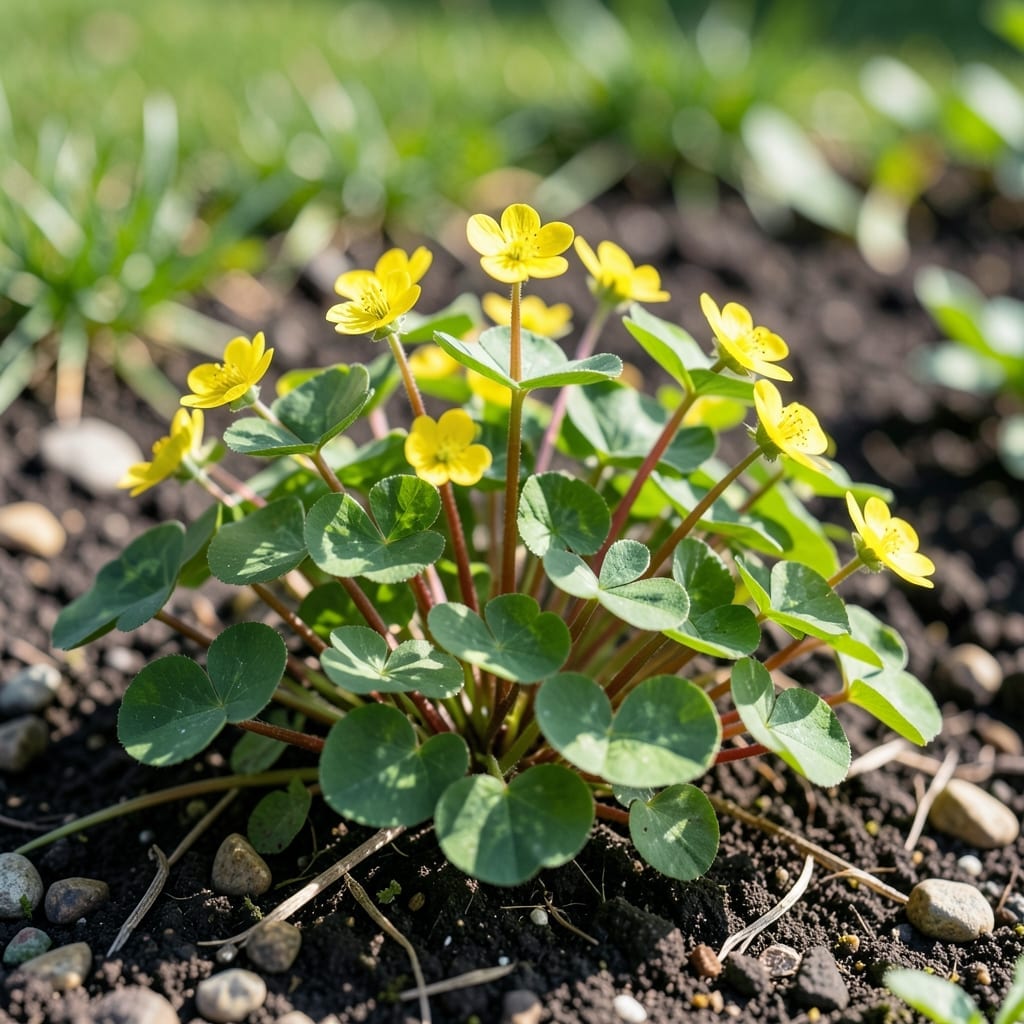
I spotted those little yellow flowers creeping across my vegetable beds last spring. 🌱 They looked pretty at first, but I quickly learned yellow woodsorrel spreads faster than I can pull it.
The heart-shaped leaves and tiny blooms disguise its invasive nature. This weed steals nutrients from your plants and can become a year-round nuisance if left unchecked.
Here’s the thing—hand-pulling works but often leaves roots behind. I found a combination of methods that actually keeps it from returning, without harsh chemicals.
With consistent effort, you can reclaim your garden space and keep this persistent weed from taking over your carefully tended plants.
Understanding why yellow woodsorrel (often called creeping wood sorrel or sourgrass) thrives in your garden starts with recognizing the conditions that favor its spread. This persistent weed isn’t just a random invader—it’s an opportunist that capitalizes on specific environmental and cultural factors.
Yellow woodsorrel flourishes in acidic to slightly acidic soils (pH 5.0–6.5), which are common in many home gardens. Its small, bulb-like rhizomes store energy, allowing it to sprout rapidly when soil is disturbed or bare. Compacted or poorly drained soils also create gaps where its seeds can take root, as water runoff carries them into cracks.
This weed thrives in partial to full sunlight but can tolerate shade, making it adaptable to various garden zones. Overwatering or inconsistent moisture levels weaken desirable plants, giving yellow woodsorrel a competitive edge. Its clover-like leaves even close at night to conserve water, a survival tactic in dry spells.
Disturbing soil through tilling, foot traffic, or improper mulching exposes dormant seeds to light, triggering germination. Yellow woodsorrel’s explosive seed pods (which can fling seeds up to 13 feet) mean even light activity can spread it. Additionally, over-fertilizing with nitrogen can promote its growth over slower-growing plants.
Addressing these triggers—through soil testing, proper watering, and minimal disturbance—can significantly reduce its presence.
Tackling yellow woodsorrel in your garden doesn’t have to be a losing battle. Below are practical, step-by-step solutions to reclaim your space, paired with prevention tips to keep it from returning. 🌱✨
Pull plants before they seed to stop the spread. Grab the base near the soil and gently tug, ensuring you remove the entire root system. Wear gloves to avoid skin irritation from oxalic acid. Pro tip: Do this after rain when soil is soft for easier removal. 💡
Prevention: Mulch garden beds with organic material (e.g., straw or wood chips) to block sunlight and suppress new growth.
Cover infested patches with thick cardboard or black plastic for 4–6 weeks. This blocks sunlight, killing existing weeds and seeds. For stubborn areas, add a layer of compost on top to encourage beneficial soil life.
Prevention: Reapply mulch annually to maintain a weed-resistant barrier.
Spray a mix of 1 gallon white vinegar + 1 cup salt + 1 tbsp dish soap directly on leaves (avoid desired plants—this is non-selective!). Apply on a sunny day for maximum effectiveness. Reapply as needed for regrowth.
Prevention: Spot-check your garden weekly and treat new sprouts immediately.
Encourage a dense, healthy lawn or garden by overseeding bare spots and fertilizing regularly. Yellow woodsorrel thrives in thin, weak turf—so crowd it out! Water deeply but infrequently to promote strong root competition.
Prevention: Rotate crops in vegetable gardens to disrupt weed life cycles.
It’s best to wear gloves. The leaves contain oxalic acid, which can irritate skin or cause a mild rash in sensitive individuals. Always wash hands thoroughly after handling.
This weed spreads via underground rhizomes and explosive seed pods. If any root fragments remain, new plants will sprout. Pull when soil is moist to remove the entire root system.
Only if you’re certain the plants haven’t seeded. The seeds can survive composting and reinfest your garden. For seeded plants, dispose in the trash or burn them.
Early spring or fall when plants are actively growing but haven’t seeded yet. Treat before flowers appear for best results. Consistent effort is key.