
Beautiful Plants For Your Interior
Beautiful Plants For Your Interior
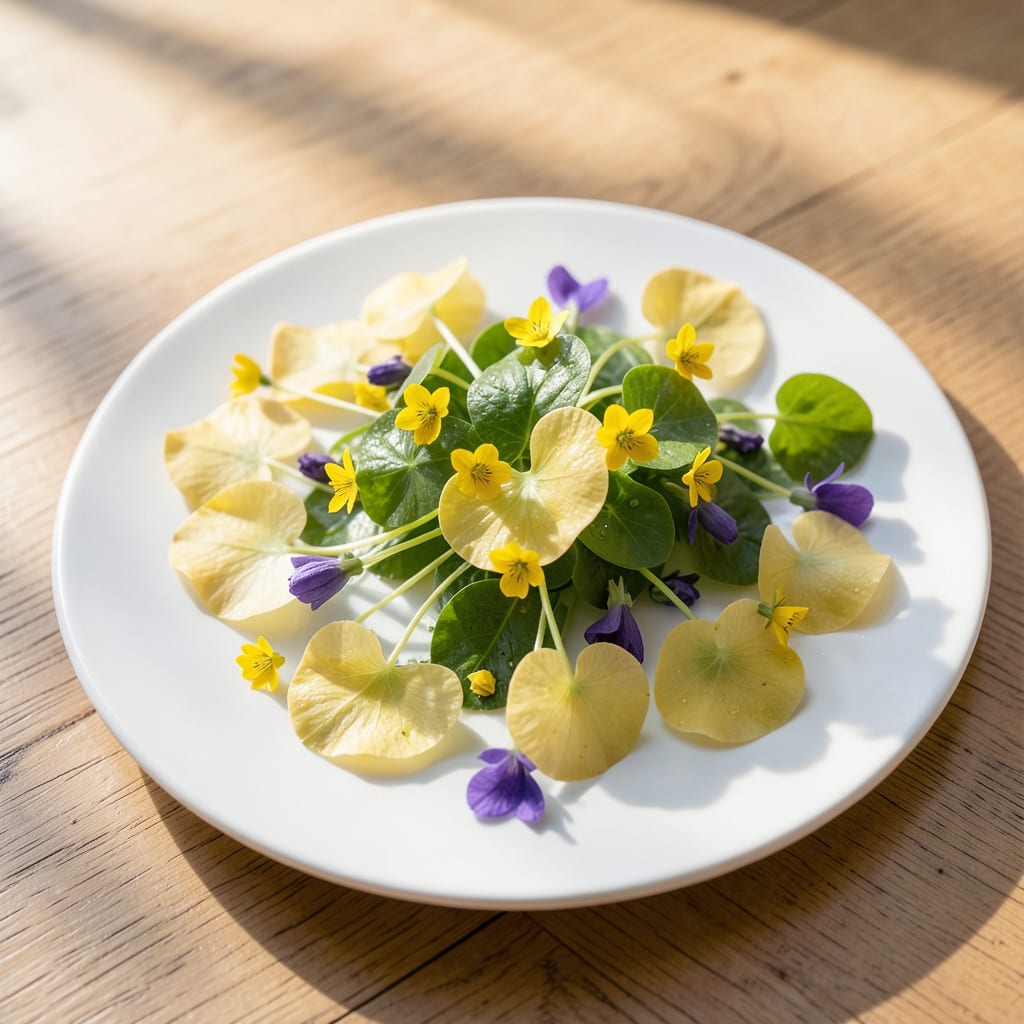
This little plant pops up everywhere, and I used to pull it as a weed. 🌱 Then I tasted a leaf—bright, lemony, and perfect for salads or teas.
Now I let it spread in shady spots. It thrives in poor soil, needs almost no care, and those cheerful yellow flowers bloom all season. Even better, it comes back every year.
📚 In This Guide
Here’s how I find and gather this tangy green without harming the plant or my garden.
Scan shaded, moist areas where wood sorrel thrives. Look for clover-like leaves with three heart-shaped leaflets arranged in a whorl. The leaves are bright green, sometimes with a hint of red in cooler weather. I usually spot it near tree bases or in mulched beds.
Check for tiny yellow flowers with five petals that close at night—this confirms you’ve found the right plant. Avoid areas recently treated with herbicides. The plant grows low to the ground, often just 2-4 inches tall.
Crush a leaf between your fingers. Wood sorrel releases a bright, lemony scent that’s unmistakable. The taste is tart and citrusy—this sensory check is your final confirmation. I always do this test before harvesting any wild plant.
Examine the seed pods, which look like tiny, upright okra pods. When ripe, they explode at the slightest touch, flinging seeds several feet away. This distinctive feature helps distinguish it from similar-looking plants like clover.
Use clean scissors or your fingers to snip individual leaves rather than pulling the whole plant. This allows the wood sorrel to continue growing and producing. I harvest the outer leaves first, leaving the inner growth to mature.
Never take more than one-third of the plant at a time. This ensures the plant stays healthy and can regenerate. The best time to harvest is in the morning after dew has dried, when the flavor is most concentrated.
Shake off any dirt or insects, then rinse the leaves under cool running water. Pat dry with a clean towel or let air-dry on a paper towel. The leaves are delicate, so handle them gently to avoid bruising.
Wood sorrel keeps well in the fridge for 3-5 days in a sealed container with a damp paper towel. For longer storage, I freeze the leaves in ice cube trays with water—they retain their flavor well for up to 6 months.
Start with small amounts in salads or as a garnish to test your palate. The oxalic acid content means it’s best eaten in moderation. I love adding it to spring greens for a zesty kick or steeping fresh leaves in hot water for a vitamin C-rich tea.
If you find a large patch, consider leaving some plants to go to seed. This ensures future growth and maintains the local ecosystem. Always harvest from clean, pesticide-free areas to enjoy this edible weed safely.
Took me a few tries to get this right, so here’s what I learned.
The Identification Test: Always do the crush-and-sniff test from Step 2—it’s the most reliable way to confirm you’ve got wood sorrel. That bright, lemony scent is unmistakable, and the tart taste seals the deal. I once confused it with clover until I did this simple check.
Sustainable Harvesting: In Step 3, never take more than one-third of the plant at a time. I learned this the hard way after over-harvesting a patch and watching it struggle to regrow. The morning harvest tip is gold—flavor is definitely more concentrated then.
Storage Secret: For fridge storage as mentioned in Step 4, use a sealed container with a damp paper towel. This keeps the leaves fresh for the full 3-5 days. For freezing, the ice cube tray method works perfectly for up to 6 months, and the flavor stays surprisingly bright.
Yes! It’s edible in moderation, but avoid large amounts due to oxalic acid, which can be harmful. Always ensure it’s harvested from clean, chemical-free areas.
Spring and early summer are ideal. Look for fresh, tender leaves before flowers appear. Morning harvests often yield the best flavor.
Sheep sorrel or garden sorrel makes a great substitute with a similar tangy taste. Lemon balm or dandelion greens also work in salads.
Bitterness can come from older leaves or dry conditions. Harvest younger leaves and water plants regularly for a milder, lemony flavor.
