
Beautiful Plants For Your Interior
Beautiful Plants For Your Interior
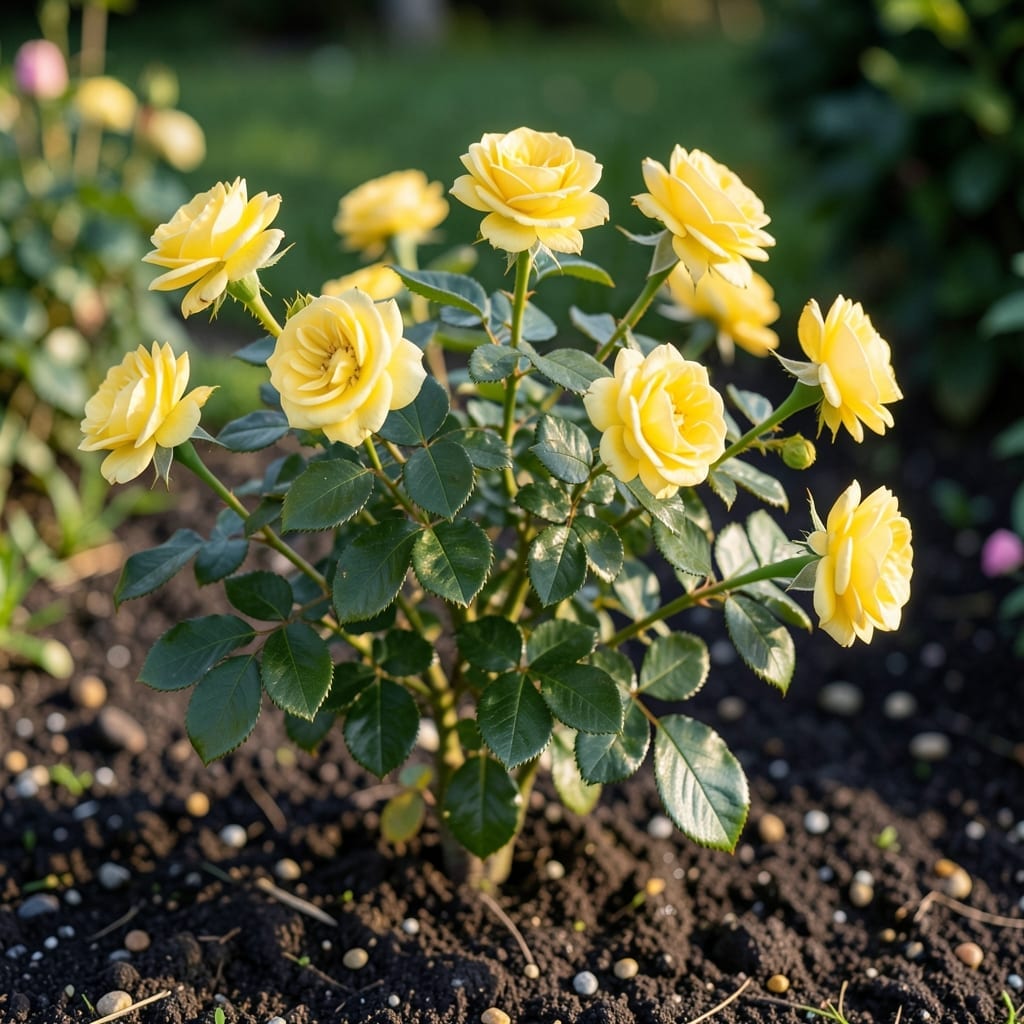
Nothing beats the first whiff of a yellow tea rose in full bloom. I planted mine three seasons ago, and the fragrant golden blossoms now light up my garden from May through October without fail.
These roses aren’t fussy—just give them well-draining soil, 6-8 hours of sun, and consistent watering. The payoff is a plant that rewards you with repeat blooms and a scent that stops neighbors in their tracks.
Pruning back in early spring keeps them compact and productive. I use sharp bypass pruners and remove dead wood first, then shape the bush to encourage airflow and new growth.
Works in zones 7-10, and even container-grown plants thrive with the right care. Here’s how to get it right the first time.
The vibrant blooms of your rose bushes can lose their luster due to several underlying factors. Understanding the science behind these changes helps you address them effectively.
Yellowing often stems from a lack of essential nutrients, particularly nitrogen, magnesium, or iron. Nitrogen deficiency causes uniform yellowing across older leaves, while magnesium shortage appears as yellow patches between leaf veins. Iron deficiency, common in alkaline soils, leads to yellowing with green veins (interveinal chlorosis).
Extreme temperatures, drought, or waterlogging disrupt chlorophyll production. Heat stress accelerates leaf senescence, turning foliage yellow prematurely. Overwatering suffocates roots, reducing their ability to absorb nutrients. Conversely, underwatering causes wilting followed by yellowing as the plant conserves resources.
Infestations like aphids, spider mites, or thrips sap plant juices, weakening the rose and triggering yellow spots or mottling. Fungal diseases such as black spot or powdery mildew also cause chlorosis by damaging leaf tissues. Early intervention with neem oil or fungicides can mitigate further harm.
Lower leaves naturally yellow and drop as the plant reallocates energy to new growth. This is a normal part of the life cycle and not a cause for concern unless it spreads upward rapidly.
When your yellow tea rose struggles, targeted fixes can bring it back to vibrant health. Below are practical solutions mapped to common issues, with prevention tips to keep blooms thriving.
If leaves turn yellow, check the soil. Waterlogged roots or poor drainage often cause this. Repot in well-draining soil mixed with compost, and ensure pots have holes. Prevention tip 💡: Water only when the top inch of soil feels dry—overwatering is a common culprit.
Aphids and spider mites love roses. Blast them off with a strong water spray, or apply neem oil for a gentle fix. For severe cases, use insecticidal soap. Prevention tip ✨: Inspect leaves weekly and encourage beneficial insects like ladybugs.
Wilting often signals underwatering or too much direct sun. Water deeply at the base (not leaves) in the morning, and move potted plants to partial shade if needed. Prevention tip 🌡️: Mulch around the base to retain moisture and regulate soil temperature.
Lack of flowers? Prune dead or weak stems to redirect energy. Use a balanced rose fertilizer every 4-6 weeks during growing season. Prevention tip 🎯: Deadhead spent blooms to encourage new growth.
Water deeply 2-3 times per week in warm weather, ensuring the soil stays moist but not soggy. Always water at the base in the morning to prevent fungal issues.
Use well-draining, loamy soil with a pH of 6.0-6.5. Mix in compost or peat moss to improve fertility and drainage.
Lack of blooms often means insufficient sunlight or nutrients. Ensure 6-8 hours of sun daily and fertilize every 4-6 weeks during growing season.
Yes! Choose a pot at least 12-16 inches deep with drainage holes. Use quality potting mix and keep it in a sunny spot.