
Beautiful Plants For Your Interior
Beautiful Plants For Your Interior
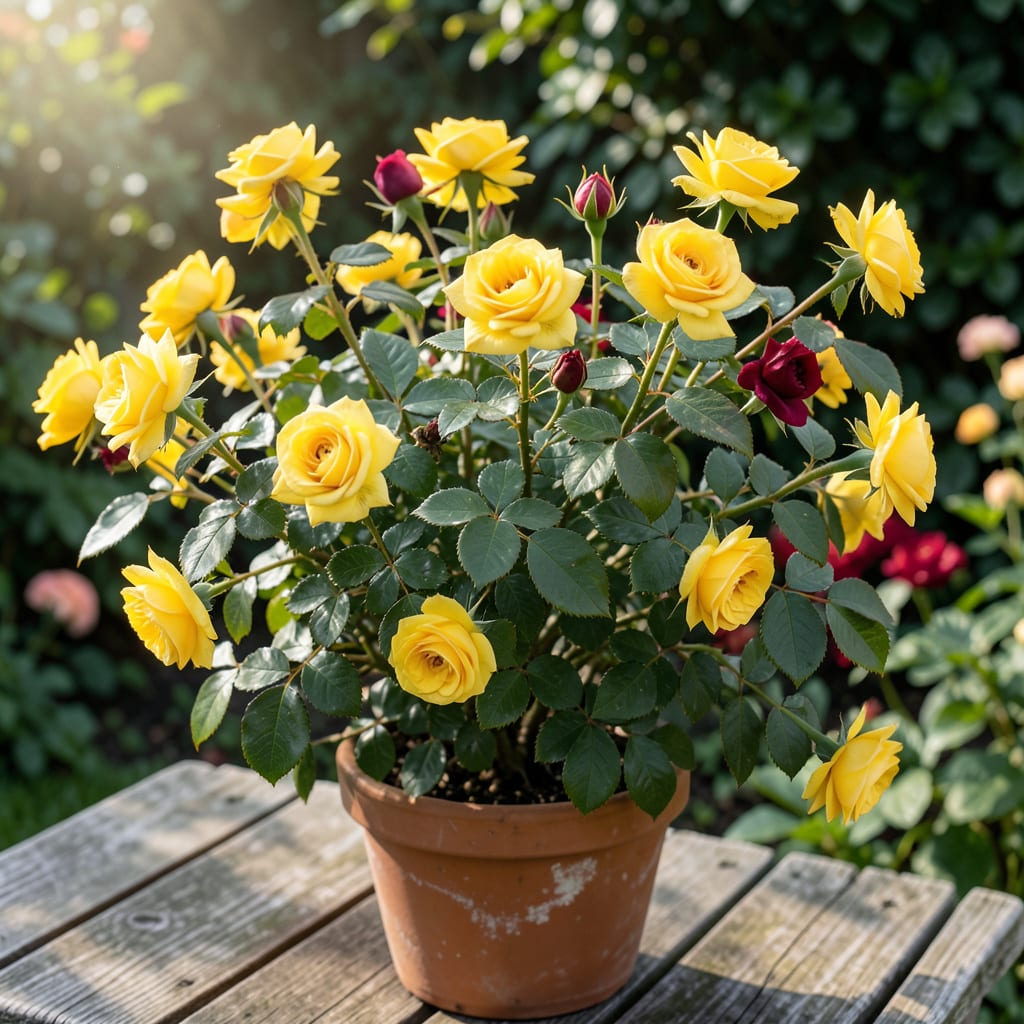
Yellow leaves on your roses aren’t just ugly—they’re a distress signal. I’ve seen this problem wipe out entire bushes when ignored, but the good news is it’s usually fixable once you know what’s causing it.
Most cases come down to 4 common culprits: water stress, nutrient gaps, sneaky pests, or fungal diseases. The pattern of yellowing tells you which one you’re dealing with—spots, edges, or entire leaves turning color.
With the right diagnosis, you can reverse the damage in 2-3 weeks. My own bushes went from sad and yellow to lush and green after adjusting their care routine based on these exact symptoms.
We’ll walk through how to play detective with your plants and apply the proper fix. No guesswork, just results.
Yellow leaves on your rose bush can be alarming, but they’re often a sign of an underlying issue. Here are the most common reasons why this happens:
Roses need a balanced diet of nitrogen, phosphorus, potassium, and micronutrients like iron and magnesium. A nitrogen deficiency often causes uniform yellowing of older leaves, while iron or magnesium deficiency leads to yellowing between the veins (interveinal chlorosis) in younger leaves. Test your soil to confirm which nutrient is lacking.
Too much or too little water disrupts nutrient uptake. Overwatering suffocates roots, causing yellowing and wilting, while underwatering leads to dry, crispy yellow leaves. Check soil moisture—roses prefer consistently moist but well-drained soil.
Common culprits like black spot or powdery mildew stress the plant, leading to yellowing foliage. Black spot causes dark spots with yellow halos, while powdery mildew coats leaves in a white, powdery film. Improve air circulation and avoid overhead watering to prevent fungal growth.
Sap-sucking pests like aphids, spider mites, or scale insects drain nutrients from leaves, causing yellowing and curled edges. Inspect the undersides of leaves for tiny invaders and treat with insecticidal soap or neem oil.
Extreme heat, cold drafts, or sudden temperature swings can shock your rose bush, leading to yellow leaves. Protect plants from harsh conditions and ensure they receive 6-8 hours of sunlight daily without scorching.
Addressing these causes early can restore your rose bush’s vibrant green foliage!
Once you’ve identified the cause, these targeted fixes will help restore your rose bush’s vibrant green foliage. Address each issue promptly to prevent further damage. 🌿✨
Fix: Let the soil dry out slightly between waterings. Ensure your pot or garden bed has drainage holes to prevent waterlogging. For potted roses, elevate the container or use a well-draining potting mix with perlite or sand.
Prevention: Water deeply but only when the top 1-2 inches of soil are dry. Use a moisture meter for accuracy, and avoid saucers that trap water under pots.
Fix: Apply a balanced rose fertilizer (e.g., 10-10-10 or 5-10-5) to replenish nitrogen, iron, or magnesium. For iron deficiency (yellowing between veins), use chelated iron or lower soil pH with sulfur. Magnesium shortages (yellow patches) can be treated with Epsom salt (1 tablespoon per gallon of water, sprayed on leaves).
Prevention: Feed roses monthly during growing season and test soil pH annually (aim for 6.0–6.5). Mulch with compost to slowly release nutrients.
Fix: Blast aphids or spider mites off with a strong water spray. For stubborn pests, use neem oil or insecticidal soap (spray in the evening to avoid leaf burn). Remove heavily infested leaves and dispose of them in sealed bags.
Prevention: Encourage natural predators like ladybugs by planting companion flowers (e.g., marigolds). Inspect leaves weekly for early signs of pests.
Fix: Prune infected leaves and stems immediately with sterilized shears, and dispose of debris far from the plant. Apply a copper-based fungicide or baking soda spray (1 teaspoon baking soda + 1 quart water + a drop of dish soap) for powdery mildew or black spot.
Prevention: Improve airflow by spacing plants 3–4 feet apart. Water at the base (not leaves) and avoid overhead irrigation. Remove fallen leaves and debris regularly.
Fix: Shield roses from extreme heat with shade cloth during peak afternoon hours. For cold damage, move potted roses to a sheltered spot or wrap the base with burlap. Ensure they receive 6+ hours of sunlight daily but protect from scorching winds.
Prevention: Plant roses in a location with consistent conditions. In hot climates, mulch heavily to retain moisture and regulate soil temperature.
Water deeply 1-2 times per week, allowing the top 1-2 inches of soil to dry between waterings. Adjust based on weather—more in heat, less in rain. Overwatering causes yellowing just like drought.
Typically no—once leaves yellow, they won’t recover. Focus on fixing the root cause so new growth stays healthy. Remove severely yellowed leaves to redirect energy to fresh foliage.
Spray leaves with neem oil or insecticidal soap at dusk. Repeat every 3-5 days until pests vanish. Check leaf undersides for hidden bugs like spider mites.
Yes, if the issue is magnesium deficiency. Mix 1 tablespoon Epsom salt per gallon of water and spray on leaves. For iron deficiency, use chelated iron instead. Test soil first for best results.
