
Beautiful Plants For Your Interior
Beautiful Plants For Your Interior
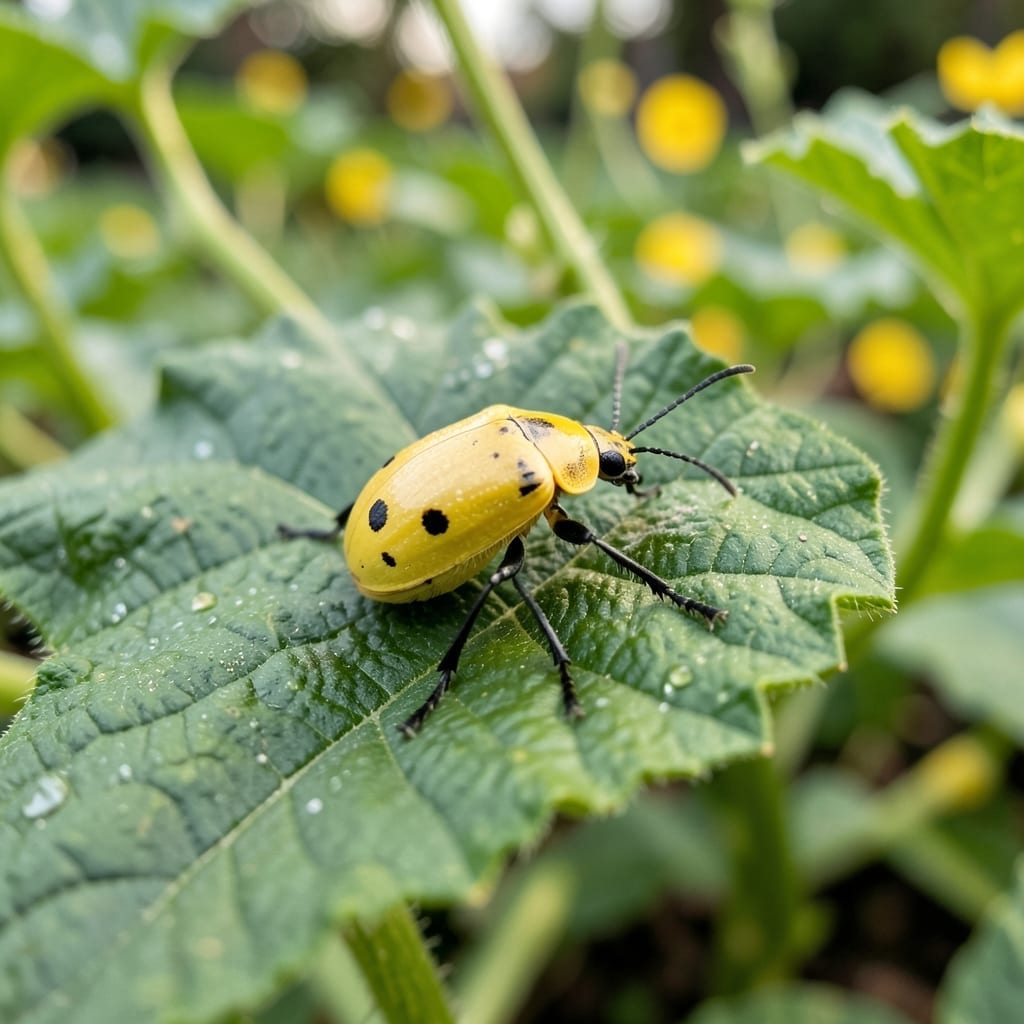
I lost half my squash crop to these pests last summer. Yellow squash beetles can devastate plants overnight, leaving wilted vines and stunted fruit in their wake.
Here’s the thing—they’re sneaky. The adults and larvae feed on leaves and stems while the eggs hide on the undersides. I learned the hard way that early detection is everything, and organic solutions work just as well as chemicals.
With the right monitoring and natural treatments, you can protect your plants without harming beneficial insects. The key is consistency—check plants daily once you spot the first signs.
Works for zucchini, pumpkins, and all squash varieties. Let’s save this year’s harvest.
The presence of yellow squash beetles in your garden is rarely random. Several environmental and horticultural factors create ideal conditions for these pests to thrive. Understanding these triggers helps you disrupt their lifecycle naturally.
These beetles are highly specialized feeders, targeting cucurbit plants like squash, cucumbers, and pumpkins. Planting large, dense patches of these crops creates a buffet-like environment, attracting beetles from miles away. Solution: Interplant cucurbits with non-host plants like beans or corn to break up their scent trails.
Weak or nutrient-deficient plants emit stress signals that beetles detect. Over-fertilization (especially with nitrogen) can also soften plant tissues, making them easier to pierce. Action: Test soil pH (aim for 6.0–6.8) and amend with compost to boost plant resilience.
Adult beetles overwinter in leaf litter, mulch, or crop residues. Failing to clean up after harvest gives them shelter to survive cold months. Fix: Remove all plant debris in fall and till the soil to expose hiding beetles to predators.
Beetles emerge in early summer. Delayed planting means young, vulnerable seedlings coincide with peak beetle activity. Tip: Start seeds indoors or use row covers to protect early growth stages.
Dealing with beetles on your squash plants doesn’t have to mean reaching for harsh chemicals. Here’s how to tackle each issue effectively while keeping your garden thriving naturally.
If you spot yellow squash beetles or their copper-colored eggs on the undersides of leaves, remove them by hand. Drop adults into soapy water to ensure they don’t return. Check plants daily, especially in the morning when beetles are less active. Prevention tip: 💡 Lay down mulch or cardboard around plants to disrupt their life cycle and make it harder for them to lay eggs.
Protect young plants with floating row covers until they start flowering. This prevents beetles from accessing the plants to feed or lay eggs. Secure the edges with soil or rocks to keep pests out. Prevention tip: 🌡️ Remove covers once flowers appear to allow pollinators to do their job.
Encourage beneficial insects like ladybugs, parasitic wasps, and ground beetles, which feed on beetle eggs and larvae. Plant companion flowers such as marigolds, nasturtiums, or alyssum to attract these helpers. Prevention tip: ✨ Avoid broad-spectrum pesticides, as they can harm these useful allies.
Spray neem oil or kaolin clay on leaves to deter beetles and disrupt their feeding. Apply in the early morning or late evening to avoid harming beneficial insects. Reapply after rain or every 7–10 days. Prevention tip: 🎯 Focus on the undersides of leaves where eggs and young larvae are often found.
Remove plant debris and weeds where beetles may overwinter. Rotate crops yearly to break their life cycle. After harvest, till the soil to expose and destroy any remaining larvae or pupae. Prevention tip: 🔥 Compost infested plant material far from your garden to prevent reinfestation.
Look for their distinctive yellow-orange bodies with black spots or stripes. They’re about 1/4 to 1/2 inch long and often cluster on the undersides of leaves. Their copper-colored eggs are another giveaway.
Neem oil and kaolin clay are top choices. Apply early morning or late evening to avoid harming pollinators. Handpicking adults into soapy water also works well for small infestations.
They primarily target cucurbits like squash, cucumbers, and pumpkins. Other plants are usually safe, but nearby cucurbits can quickly spread the problem.