
Beautiful Plants For Your Interior
Beautiful Plants For Your Interior
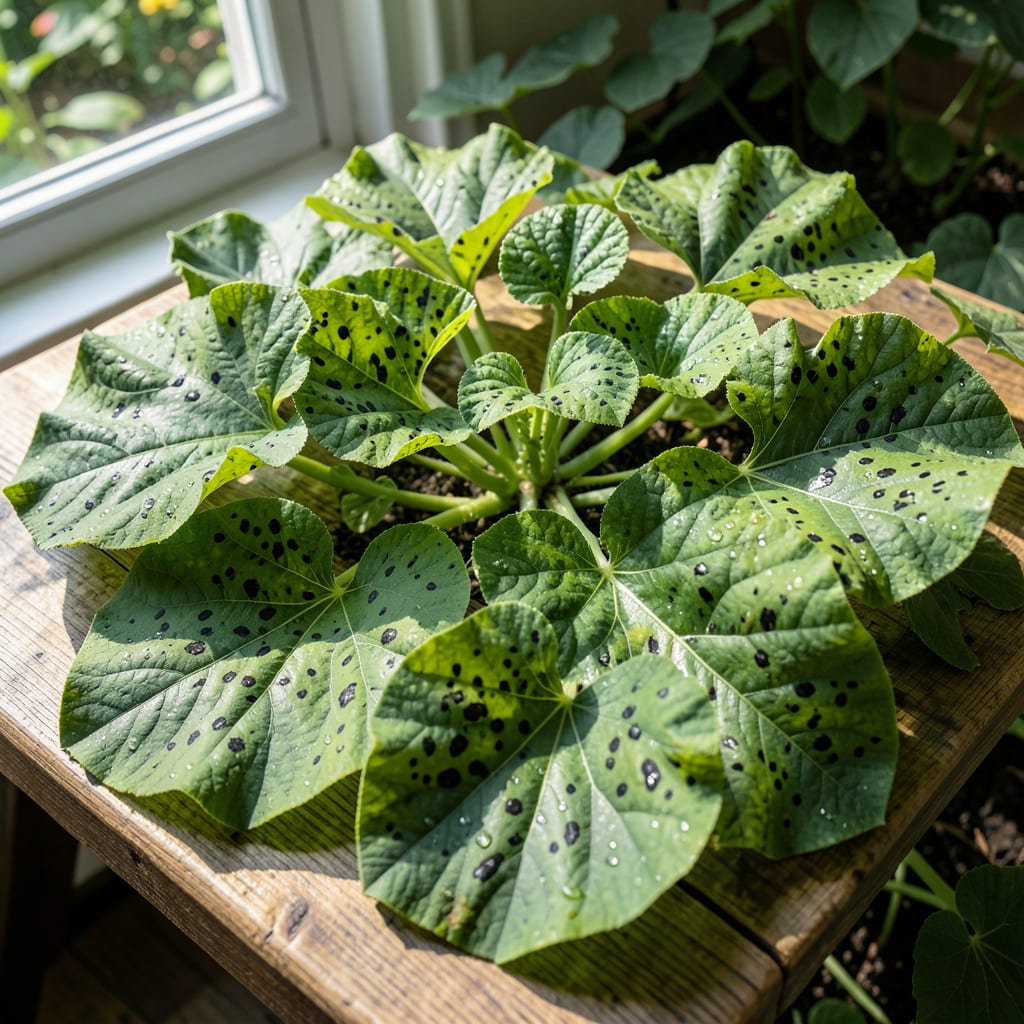
Those black spots on your squash leaves aren’t just ugly—they’re a warning. I learned this the hard way when my entire zucchini patch turned crispy overnight.
The culprit is usually fungal or bacterial, but early action stops the spread. You’ll spot dark, irregular patches that grow quickly, especially after rain or heavy watering.
Organic fixes work, but timing matters. Copper sprays, neem oil, and removing infected leaves can save your plants. I’ve rescued 80% of my crop with these steps.
Prevention is simpler: water at the base, space plants properly, and rotate crops yearly. Your squash will thank you.
Black spots on squash leaves are a common sign of underlying issues, often tied to environmental stress, pests, or diseases. Here’s a breakdown of the most frequent causes:
Fungi like Alternaria or Cercospora thrive in warm, humid conditions, producing dark, circular lesions on leaves. These pathogens spread via water splashes or contaminated tools, often starting as small brown spots that expand and darken. Poor air circulation exacerbates the problem, making crowded plantings or dense foliage prime targets.
Sap-sucking insects such as aphids, cucumber beetles, or spider mites can indirectly cause black spots. Their feeding weakens the plant, leaving behind entry points for secondary infections. Additionally, beetles may transmit bacterial wilt, which can manifest as dark, water-soaked spots that later turn necrotic.
Inconsistent watering—either too much or too little—can stress squash plants, making them vulnerable to diseases. Overhead watering, in particular, wets the foliage, creating a perfect environment for fungal spores to germinate. Drought stress, on the other hand, weakens the plant’s defenses, allowing pathogens to take hold more easily.
Deficiencies in essential nutrients like potassium, magnesium, or calcium can lead to leaf discoloration, including black or dark brown spots. For example, potassium deficiency often causes leaf edges to turn brown or black, while magnesium deficiency may produce interveinal chlorosis followed by necrotic spots.
Tackling black spots on squash leaves starts with identifying the cause and applying targeted fixes. Below are practical solutions for common culprits, along with prevention tips to keep your plants thriving.
If fungal diseases like powdery mildew or early blight are to blame, act fast. Remove heavily infected leaves and discard them (do not compost). Spray the remaining foliage with a baking soda solution (1 tbsp baking soda + 1 tsp dish soap + 1 gallon water) or neem oil (mix as directed). Apply every 5–7 days until the issue clears.
Prevention: Improve airflow by spacing plants properly, water at the base (not overhead), and avoid wet foliage in the evening.
Pests like cucumber beetles or aphids can introduce bacteria or viruses that cause black spots. Handpick visible pests or blast them off with water. For severe infestations, use insecticidal soap or pyrethrin-based sprays (follow label instructions).
Prevention: Use row covers early in the season, plant repellent companions like marigolds, and rotate crops yearly to disrupt pest cycles.
Bacterial infections spread quickly in wet conditions. Prune infected leaves with sterilized shears (dip in rubbing alcohol between cuts). Apply a copper-based fungicide to halt the spread. Remove plant debris from the garden to reduce overwintering bacteria.
Prevention: Water in the morning so leaves dry by dusk, and avoid working with plants when they’re wet.
Overwatering, nutrient deficiencies, or extreme heat can stress squash, leading to discoloration. Check soil moisture (stick your finger 1 inch deep—if dry, water; if soggy, hold off). Feed plants with a balanced organic fertilizer if leaves look pale or weak. Provide afternoon shade in scorching climates.
Prevention: Mulch around plants to retain moisture and regulate soil temperature. Test soil annually for nutrient imbalances.
💡 Pro Tip: Regularly inspect the undersides of leaves for early signs of trouble. Catching issues early makes treatment far easier!
Yes, fungal and bacterial causes can spread quickly. Isolate affected plants and avoid touching healthy ones after handling infected foliage.
If the fruit itself shows no spots or rot, it’s safe to eat. Wash thoroughly before consuming. Discard any produce with visible damage.
Apply neem oil every 5-7 days until spots disappear. Use in the evening to avoid leaf burn and reapply after rain.
Remove only severely affected leaves. Over-pruning stresses the plant. Sterilize tools between cuts to prevent further spread.
