
Beautiful Plants For Your Interior
Beautiful Plants For Your Interior
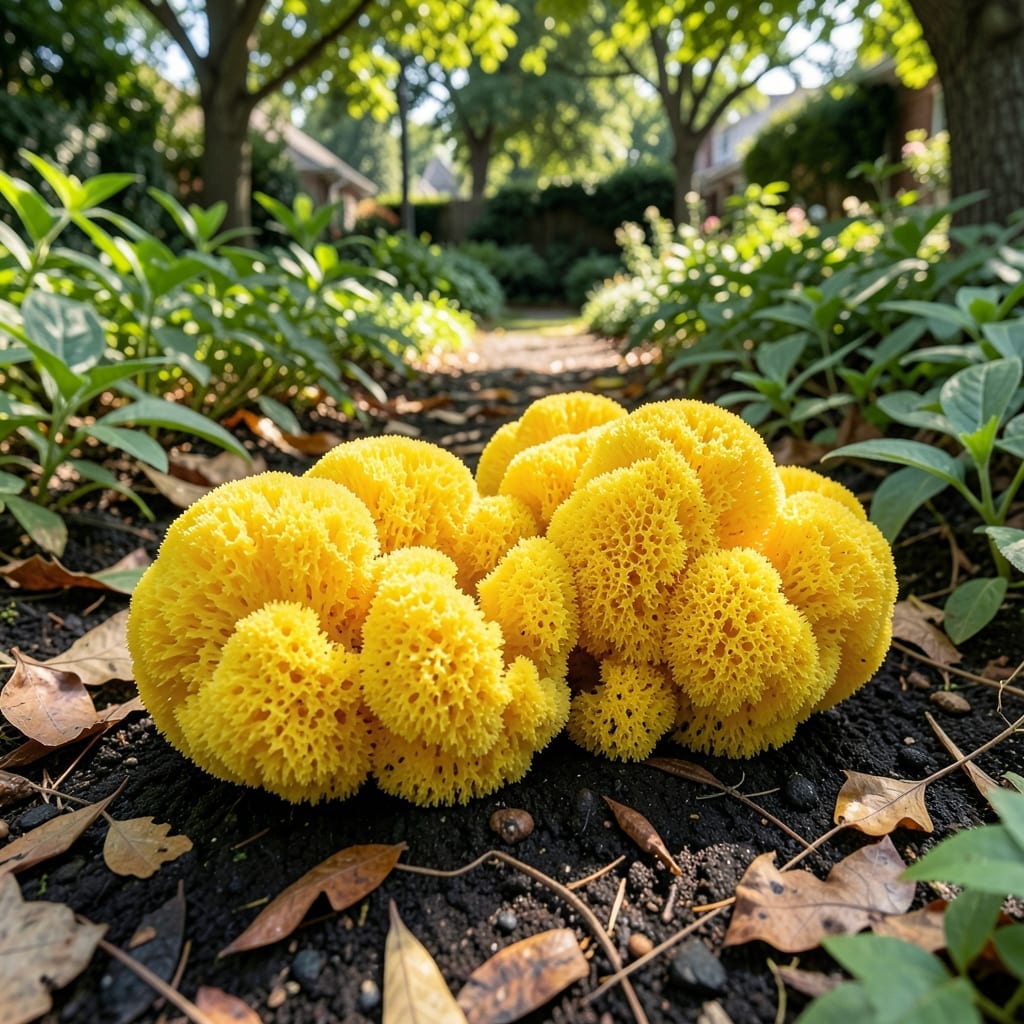
That yellow spongy fungus in your garden isn’t just ugly—it’s stealing nutrients from your soil. I’ve dealt with this issue more times than I’d like to admit, and the key is catching it early before it spreads to healthy plants.
You’ll notice it first as bright yellow patches that look almost foam-like. It thrives in damp conditions and can quickly overtake mulch, lawns, or garden beds. The good news? It’s usually a sign of organic matter breaking down, not a death sentence.
Treatment starts with removal—get it out before it releases spores. Then adjust your watering habits and improve drainage. Most cases clear up within 2-3 weeks with consistent care.
Works for flower beds, vegetable patches, and lawns. Here’s exactly how to tackle it.
The yellow spongy fungus typically develops due to a combination of environmental and biological factors. Below are the most common causes, explained in clear, actionable terms.
This fungus thrives in damp, poorly ventilated areas. High humidity (above 60%) or water leaks create the perfect breeding ground. Moisture softens organic surfaces like wood or drywall, allowing spores to take hold and spread. To prevent this, use dehumidifiers and ensure proper airflow in prone areas.
Fungal spores are microscopic and airborne, easily settling on surfaces. If your home or garden has pre-existing fungal growth, the spores can spread to new areas. Regular cleaning with antifungal agents and sealing gaps in walls or floors can reduce spore circulation.
Temperatures between 70°F and 90°F (21°C–32°C) accelerate fungal growth. This is why basements, attics, and bathrooms are hotspots. Controlling indoor climate with fans or air conditioning can slow down spore germination.
Decaying plant matter, dust, or untreated wood provides nutrients for the fungus. Removing organic debris and using moisture-resistant materials (e.g., treated lumber) can starve the fungus before it starts.
If you’ve spotted a yellow spongy fungus in your garden or on plants, don’t panic. Here’s how to tackle it effectively based on the underlying cause:
Fungus thrives in soggy soil. Fix it by:
Prevention tip: 💡 Always check soil moisture before watering—stick your finger 1-2 inches into the soil. If it’s damp, hold off!
Stagnant air encourages fungal growth. Fix it by:
Prevention tip: ✨ Thin out plants regularly to keep air moving freely.
If the fungus is already present, treat it with:
Prevention tip: 🎯 Remove and dispose of infected plant debris immediately to prevent spread.
Stay consistent with these fixes, and your plants will bounce back! 🌱
It can weaken plants by competing for nutrients and water. Remove it promptly to prevent spread to healthy foliage.
In ideal damp conditions, it can cover new areas within 2-3 days. Early intervention is key to containment.
No – the spores may survive and reinfect your garden. Dispose of it in sealed bags with household trash.
Possibly if conditions remain damp and poorly ventilated. Improve drainage and airflow for long-term prevention.