
Beautiful Plants For Your Interior
Beautiful Plants For Your Interior
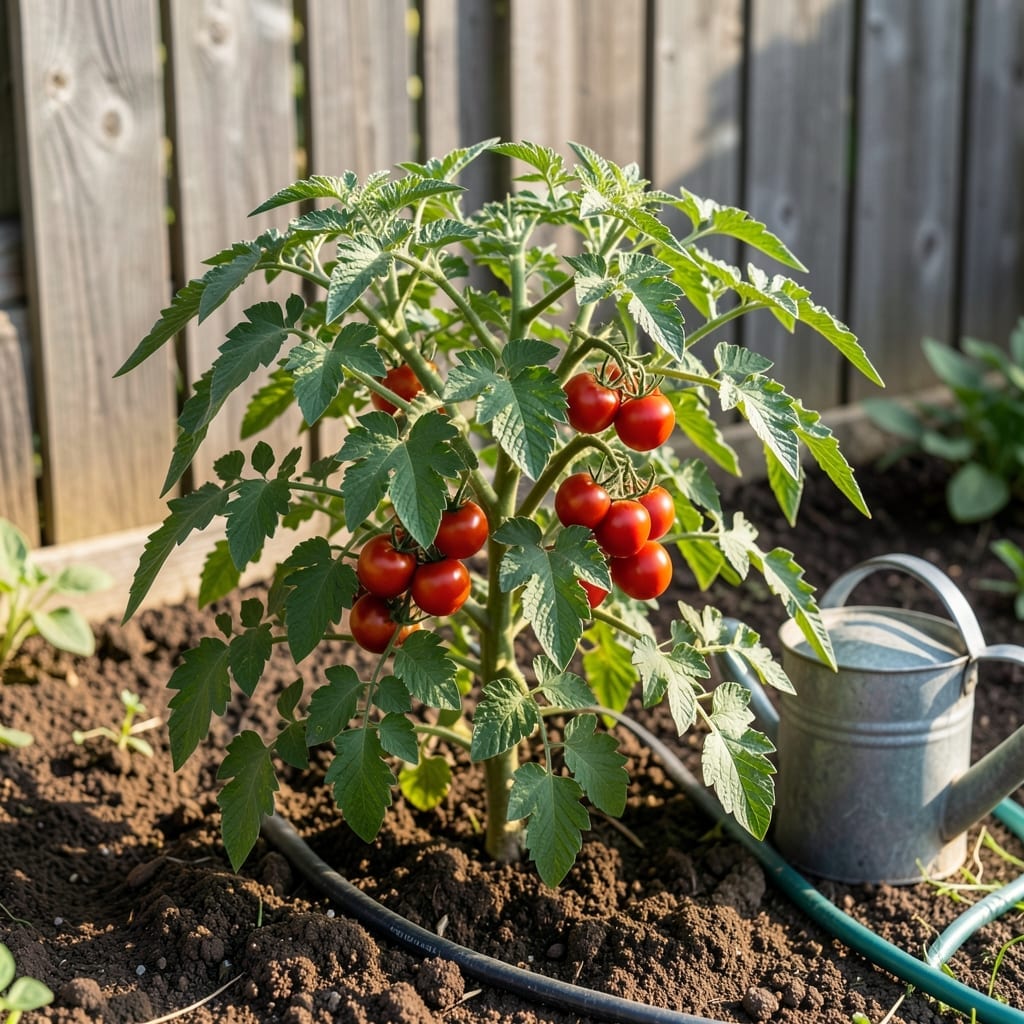
Mastering the right vegetable garden watering frequency is the key to vibrant, productive plants. Overwater or underwater, and your 🥕 Vegetable Garden harvest suffers.
Getting this balance right means the difference between wilted disappointments and thriving, bountiful crops. I’ve seen firsthand how proper timing transforms struggling gardens into lush, productive spaces.
Whether you’re new to gardening or a seasoned green thumb, understanding these nuances will save you time and heartache. Let me show you how to read your garden’s needs like a pro.
Discover the simple yet powerful adjustments that will keep your Vegetable Garden flourishing through every season. It’s easier than you think.
Getting the vegetable garden watering frequency right is key to thriving plants. I’ve found that seasonal changes dramatically impact how often you should water, so adjusting your routine is essential for healthy growth.
In spring, cooler temperatures and frequent rain often mean weekly watering suffices. But as summer heat kicks in, most gardens need 2-3 sessions per week to prevent stress.
| Season | Frequency | Amount | Notes |
|---|---|---|---|
| Spring | Weekly | 1-2 inches | Monitor rainfall; adjust accordingly |
| Summer | 2-3x/week | 1-2 inches | Early morning to reduce evaporation |
| Fall | Weekly | 1 inch | Reduce as temperatures cool |
For fall gardens, I scale back to weekly watering as temperatures drop and rainfall increases. The goal is to maintain consistent moisture without oversaturating the soil.
Climate adjustments are crucial. In dry regions, you might need to water more frequently, while humid areas can often go longer between sessions. Always check the soil moisture 1-2 inches down.
I also consider plant growth stages. Young seedlings need gentle, frequent watering to establish roots, while mature plants can handle deeper, less frequent sessions. This balance prevents root rot and encourages strong development.
Soil type plays a big role too. Sandy soil drains quickly, requiring more frequent watering, while clay soil holds moisture longer. I’ve seen gardens suffer from overwatering simply because the soil type wasn’t considered.
For raised beds, I recommend checking moisture daily in summer, as they dry out faster than in-ground gardens. A simple finger test—pushing your finger into the soil—tells you if it’s time to water.
In extreme heat, I sometimes water in the early evening to give plants a boost, but I avoid late-night watering to prevent fungal diseases. Consistency is more important than exact timing.
Finally, mulching helps retain moisture and reduces the need for frequent watering. I use straw or shredded leaves around my plants to keep the soil cool and hydrated.
💧I always tell new gardeners that vegetable garden watering frequency is more art than science. Your plants will often show you when they’re getting too much or too little water if you know what to look for.
Overwatered plants often have yellowing leaves, mushy stems, or mold growth on the soil surface. You might also notice stunted growth despite frequent watering. These are clear signs to ease up on the hose.
On the flip side, underwatered vegetables typically show dry, crispy leaves, wilting during hot days, or cracked soil around the base. The plants may also grow more slowly than expected.
For leafy greens like lettuce, wilting in the afternoon often means they need water. But for tomatoes, cracked fruit can signal inconsistent watering. I always check the soil moisture 2 inches down before deciding.
One of my favorite tricks is the finger test. Stick your finger 2 inches into the soil. If it feels dry, it’s time to water. If it’s damp, wait another day. This simple method prevents most watering mistakes.
Remember that morning watering is ideal. It gives plants time to absorb moisture before the heat of the day and reduces evaporation loss. Plus, it helps prevent fungal diseases that thrive in damp evening conditions.