
Beautiful Plants For Your Interior
Beautiful Plants For Your Interior
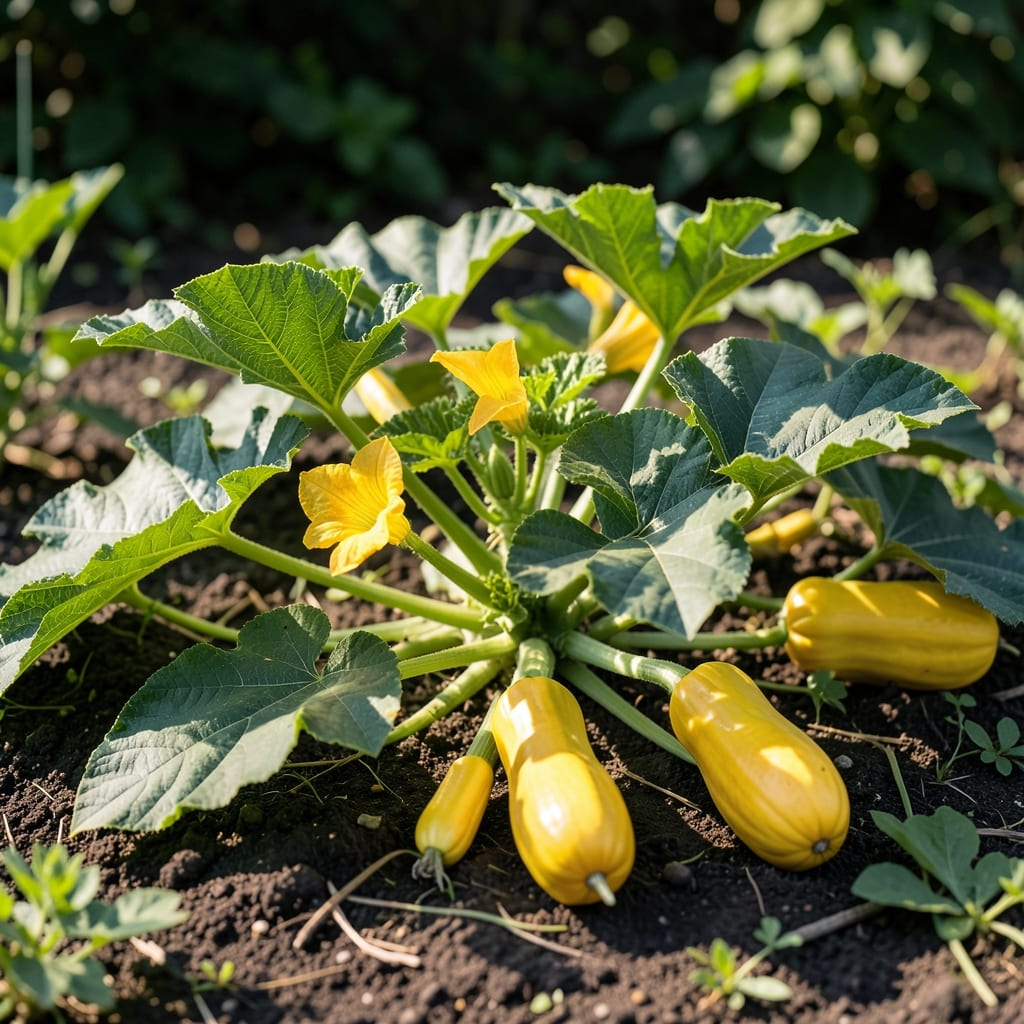
I planted my first yellow spaghetti squash on a whim, and it changed how I think about summer gardening. These vines spread fast, but they reward you with heavy yields if you give them room to run.
They need full sun, rich soil, and consistent watering—especially when fruits start forming. I learned the hard way that skipping mulch means battling weeds and moisture loss all season long.
By late summer, you’ll have golden squash ready to harvest. The plants keep producing until frost, and each one can give you multiple meals worth of spaghetti-like strands.
Works in raised beds, open ground, or even large containers if you trellis the vines. Here’s how to get it right.
Yellowing in spaghetti squash can stem from several underlying issues, each with distinct triggers. Below are the most common causes, explained with actionable insights.
Lack of essential nutrients, particularly nitrogen or magnesium, often leads to yellowing leaves. Nitrogen deficiency typically starts in older leaves, while magnesium deficiency appears as yellow patches between veins. Conduct a soil test and amend with compost or a balanced fertilizer (e.g., 10-10-10) to restore vitality.
Excess moisture suffocates roots, limiting oxygen uptake and causing chlorosis (yellowing). Spaghetti squash thrives in well-draining soil. If your garden retains water, mix in sand or perlite. Water only when the top inch of soil is dry, and avoid wetting the foliage to prevent fungal growth.
Pathogens like Powdery Mildew or Fusarium Wilt disrupt chlorophyll production, turning leaves yellow. These thrive in humid, crowded conditions. Improve airflow by spacing plants 3–4 feet apart, and apply copper-based fungicides preventatively. Remove infected leaves immediately to halt spread.
Sap-sucking pests such as aphids or spider mites drain nutrients, leading to stunted growth and yellowing. Inspect leaf undersides for clusters or webbing. Blast pests off with water or treat with neem oil. Introduce beneficial insects like ladybugs for natural control.
Extreme heat, cold snaps, or excessive sun exposure can stress plants, triggering yellowing. Use shade cloth during heatwaves and mulch to regulate soil temperature. Ensure plants receive 6–8 hours of sunlight daily but protect them from scorching midday rays in hot climates.
When your yellow spaghetti squash faces problems, quick and targeted solutions can save your harvest. Below are practical fixes for common issues, along with prevention tips to keep your plants thriving.
Fix: Remove infected leaves immediately to prevent spread. Spray the plant with a mix of 1 tablespoon baking soda, 1 teaspoon dish soap, and 1 gallon of water. Apply every 5–7 days until the issue clears.
Prevention: Improve air circulation by spacing plants properly. Water at the base to keep foliage dry, especially in humid conditions.
Fix: Handpick bugs and eggs from the undersides of leaves in the early morning. Use row covers to protect young plants. For severe infestations, apply neem oil or insecticidal soap.
Prevention: Rotate crops annually and clear garden debris in the fall to eliminate overwintering sites.
Fix: Hand-pollinate flowers if bees are scarce. Use a small paintbrush to transfer pollen from male to female flowers (female flowers have a tiny fruit at the base).
Prevention: Plant pollinator-friendly flowers nearby to attract bees. Avoid pesticides that harm beneficial insects.
Fix: Remove affected fruits and maintain consistent soil moisture. Add crushed eggshells or a calcium-rich fertilizer to the soil.
Prevention: Test soil before planting and amend with lime if calcium is deficient. Mulch to retain moisture and prevent fluctuations.
Fix: Provide temporary shade during peak sun hours using shade cloth. Water deeply in the early morning to help plants cope.
Prevention: Plant in well-draining soil and use mulch to keep roots cool. Choose heat-tolerant varieties if you live in a hot climate.
💡 Pro Tip: Regularly inspect plants for early signs of trouble. Catching issues early makes them easier to manage!
It typically takes 80-100 days from planting to harvest, depending on the variety and growing conditions.
Store in a cool, dry place like a basement or pantry. Properly cured squash can last 1-3 months in ideal conditions.
Yes, but choose a large container (at least 5 gallons) and provide a trellis for the vines to climb.
The rind turns hard and deep yellow, and the stem becomes woody. A ripe squash will sound hollow when tapped.