
Beautiful Plants For Your Interior
Beautiful Plants For Your Interior
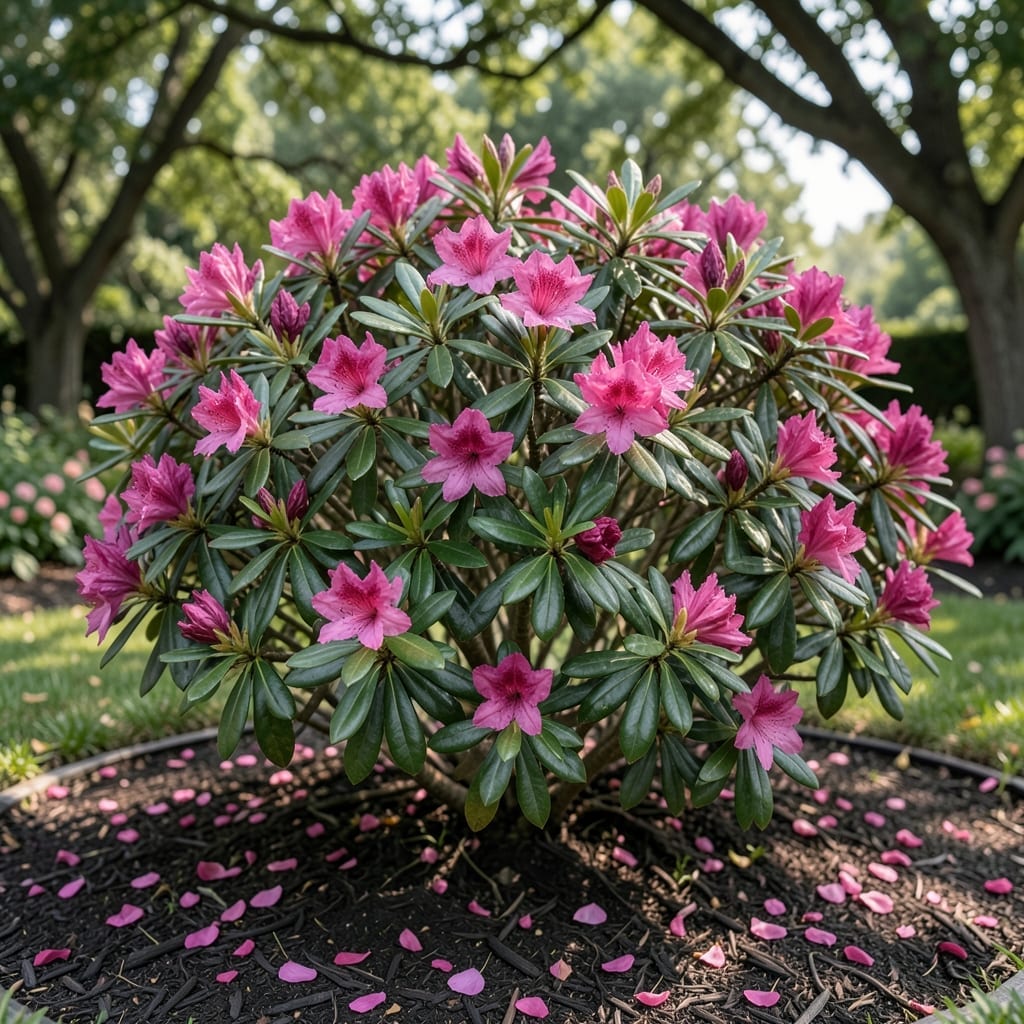
Azaleas bring vibrant color to gardens, but their sunlight needs often confuse growers. I’ve seen many gardeners struggle with poor blooming or scorched leaves because they got the light exposure wrong.
Understanding whether these flowering shrubs need full sun or thrive in shade can make all the difference. The 🌸 Azalea actually prefers a balance, and getting it right is easier than you think.
Let me show you how to position your Azaleas for the best results, so you can enjoy those stunning blooms without the guesswork.

I often get asked whether azaleas need full sun to thrive. The short answer is no—these beautiful shrubs actually prefer partial shade for optimal growth and blooming.
Full sun exposure can scorch their delicate leaves, while too much shade leads to fewer flowers. Finding the right balance is key to vibrant, healthy azaleas.
| Requirement | Specification | ||
| Ideal Sunlight | 2-4 hours of morning sun | ||
| Shade Needs | Afternoon shade or dappled light | ||
| Sun Tolerance | Evergreen Types | More shade-tolerant than deciduous | |
| Deciduous Types | Handle more sun but still prefer shade |
In my experience, morning sunlight works best for azaleas. It provides the energy they need for flower production without the harsh afternoon rays that can cause leaf scorch.
Dappled shade under tall trees is another excellent option. This mimics their natural forest floor habitat, where they receive filtered sunlight throughout the day.
For gardeners in hotter climates, I recommend planting azaleas on the east side of your home. This ensures they get gentle morning sun and protection from intense afternoon heat.
Evergreen azaleas tend to be more shade-tolerant than deciduous varieties. However, even these need some sunlight to produce their stunning spring blooms.
If you notice your azaleas have yellowing leaves or reduced flowering, it might be a sign they’re getting too much shade. Try moving them to a spot with a bit more morning light.
Conversely, brown leaf edges often indicate sunburn. In this case, provide more afternoon shade or relocate to a less exposed area.
Remember, the ideal spot offers balanced light—enough sun for vibrant blooms but enough shade to protect those gorgeous leaves. With the right placement, your azaleas will reward you with years of spectacular color.
I’ve found that container-grown azaleas give you the flexibility to move them around until you find that perfect light balance 🌸
I’ve found that azaleas thrive with morning sunlight and afternoon shade. This combination gives them the energy to produce vibrant blooms while protecting their delicate foliage.
Dappled light under tall trees works wonderfully, mimicking their natural forest habitat. Just ensure they’re not in deep shade, or you’ll see fewer flowers.
In hotter climates, I always recommend planting azaleas where they get shade after noon. This prevents heat stress and keeps the leaves lush and green.
If you’re in a cooler region, your azaleas can handle a bit more sun. But even then, full sun all day is usually too much for these shade-loving shrubs.
Signs of too much sun include brown, crispy leaf edges. If you see this, move your azaleas to a shadier spot or add a shade cloth during peak hours.
Signs of too little light are sparse blooming and leggy growth. In this case, gradually introduce more morning sunlight to encourage better flowering.
With the right light balance, your azaleas will reward you with stunning, long-lasting blooms every spring. It’s all about finding that sweet spot 🌸