
Beautiful Plants For Your Interior
Beautiful Plants For Your Interior
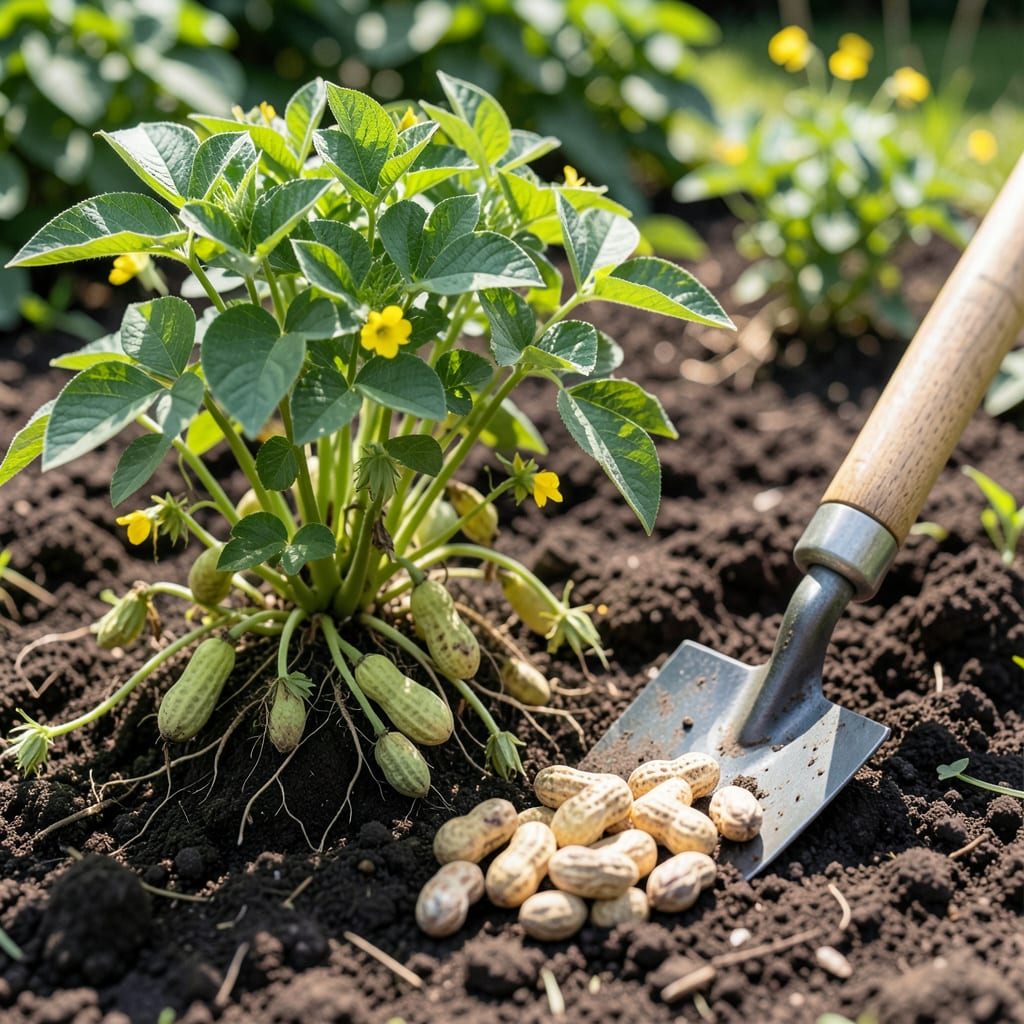
Knowing exactly when Peanut 🥜 plants are ready can make or break your harvest. The difference between perfect timing and a missed opportunity often comes down to a few simple signs.
I’ll show you how to spot those key indicators—like yellowing leaves and a simple soil test—that guarantee your peanuts are at their peak. Let’s discover the secrets together.


Timing your peanut harvest perfectly ensures the best flavor and yield. I’ve learned that yellowing leaves are the first visual clue your plants are maturing.
Another reliable sign is when the inner shell walls turn from pink to white. This color change indicates the peanuts are fully developed inside.
| Sign | Description |
|---|---|
| Yellowing leaves | Lower leaves turn bright yellow as plants mature. |
| White inner shells | Shells change from pink/red to white when ready. |
| Plump peanuts | Peanuts fill pods completely and feel firm. |
| Loose pods | Pods detach easily from the plant. |
The loose soil test is my go-to method for confirmation. Gently dig around a plant and check if pods pull away with minimal resistance.
I always look for black spots on the inner shells too. These darken as the peanuts approach peak ripeness, which usually happens 120-150 days after planting.
If you’re growing in cooler climates, your peanuts may need the full 150 days to mature. Warmer regions often see readiness closer to 90-120 days.
Remember that consistent watering during the growing season helps the pods develop uniformly. Inconsistent moisture can lead to uneven maturity.
I’ve found that morning harvesting works best when the soil is still moist. This makes digging easier and reduces stress on the plants.
After pulling the plants, I shake off the excess soil and let them dry in a well-ventilated area for about a week. This curing process is crucial for flavor development.
Finally, store your peanuts in a cool, dry place to prevent mold. Properly dried peanuts can keep for months if stored correctly 🌱
Mastering the loose soil test is the most reliable way to confirm your peanut plants are ready. I use a simple garden fork to gently lift the soil around the base of a plant.
Start by selecting a mature-looking plant with yellowing leaves. Carefully loosen the soil about 6 inches from the stem to avoid damaging the pods.
If the pods resist when you tug gently, they need more time. I wait another 1-2 weeks and test again if this happens.
In dry conditions, the soil may be too hard for accurate testing. I always water the area the day before to ensure the test reflects true maturity.
The ideal time to perform this test is in the early morning when the soil is still cool and moist. This prevents stress to the plants.
Remember that over-watering before testing can give false results. The soil should be moist but not soggy when you dig.
After confirming maturity, I harvest the entire plant by gently pulling it from the base. The pods should come away cleanly with minimal soil attached 🌱
Harvesting peanut plants at the wrong time can significantly impact your yield. I’ve seen premature harvesting lead to small, underdeveloped pods that lack flavor.
If you wait too long, the peanuts may split or germinate in the soil. Overripe peanuts also become more susceptible to disease and mold during storage.
If you’ve harvested too early, try curing the peanuts longer to improve flavor. For overripe peanuts, dry them quickly to prevent spoilage.
I always check multiple plants before deciding to harvest the entire crop. This ensures a consistent yield and reduces the risk of mistakes.
In my experience, cool, dry conditions extend the harvest window slightly. However, once the pods are ready, it’s best to harvest within 1-2 weeks for optimal quality.
Proper timing ensures your peanuts store well and taste great. With practice, you’ll recognize the perfect moment every time 🌱
Watch for yellowing leaves and black spots on inner shells. These visual cues appear 120-150 days after planting, signaling peak maturity without disturbing the soil.
Harvesting in soggy soil makes digging harder and can damage pods. Wait for dry conditions to ease removal and prevent mold. A 1-2 day delay won’t harm mature plants.
No, pods mature unevenly. Test multiple plants and focus on the majority showing signs like white shells and loose attachment. This ensures optimal flavor across your crop.
Yes, but avoid high heat. Spread plants in a single layer in a warm, well-ventilated area. They’ll cure in 1-2 weeks—faster drying risks cracking or uneven flavor.
