
Beautiful Plants For Your Interior
Beautiful Plants For Your Interior
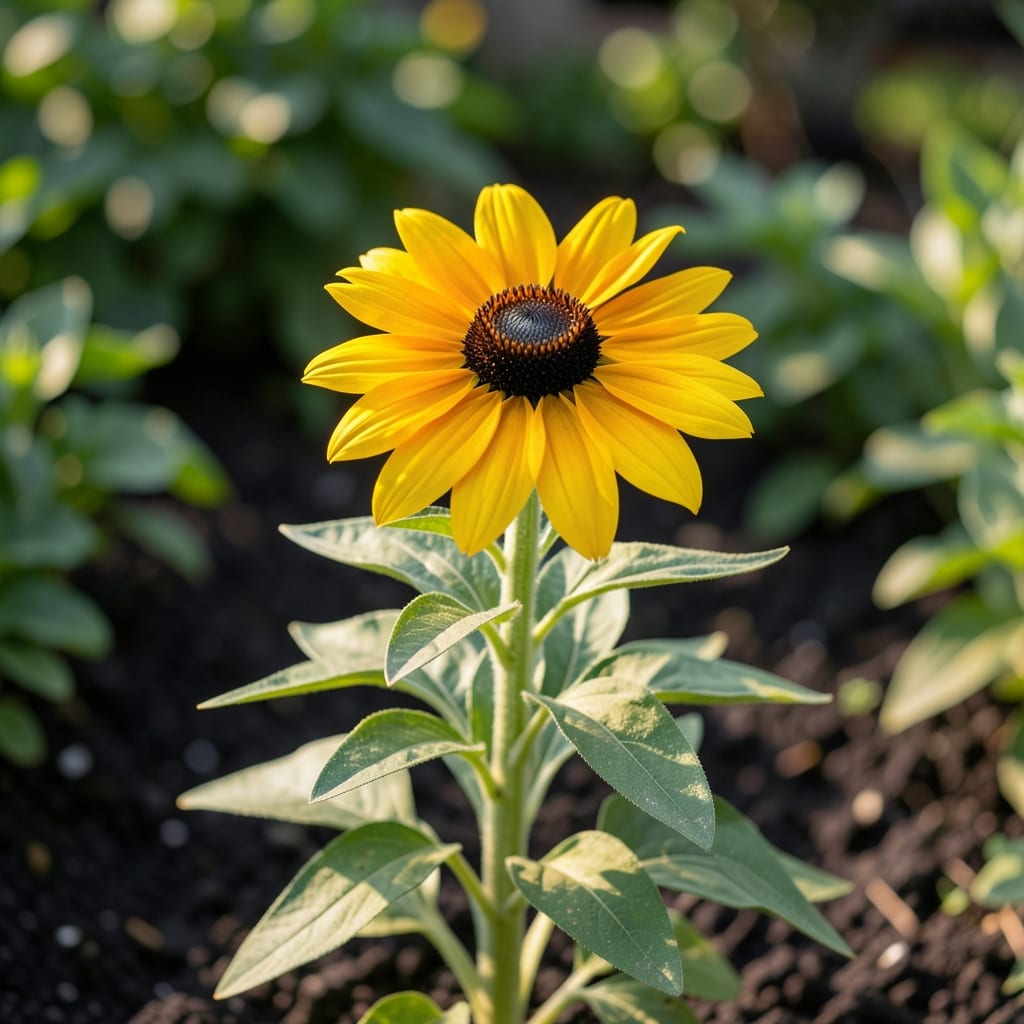
Sunny yellow blooms can brighten any garden for years. I’ve spent seasons learning to spot the differences between black-eyed Susans, coreopsis, and daylilies just by their leaves and petals.
What makes these plants special isn’t just their color—it’s their persistence. Most yellow perennials thrive in full sun and come back stronger every spring with minimal effort.
Once you recognize their shapes and growth habits, you’ll start noticing them everywhere. Tall spikes, bushy clumps, or low-growing mounds, each has its own signature look.
This guide helps you match the plant to the spot in your garden where it’ll shine. No more guessing games.
Yellowing in perennials often signals underlying issues that disrupt their health. Below are the primary causes, explained with scientific clarity to help you diagnose and address them effectively.
Plants require a balanced diet of nitrogen, phosphorus, potassium, and micronutrients like iron and magnesium. A deficiency in nitrogen often causes uniform yellowing (chlorosis) of older leaves first, as the plant redistributes this mobile nutrient to new growth. Iron deficiency, common in alkaline soils, leads to interveinal chlorosis—yellowing between leaf veins—while veins remain green. Test soil pH (ideal: 6.0–7.0) and amend with compost or targeted fertilizers.
Excess moisture suffocates roots, reducing oxygen uptake and promoting root rot (e.g., Phytophthora or Pythium fungi). Symptoms include yellowing leaves, wilting, and stunted growth. Check soil moisture 2 inches deep—if soggy, improve drainage with perlite or raised beds. Avoid watering on a fixed schedule; instead, water when the top inch of soil is dry.
Extreme temperatures, sunburn (from sudden exposure to intense light), or cold drafts can trigger yellowing. For example, hostas develop scorched, yellow edges in full sun. Acclimate plants gradually to new conditions and use shade cloth or mulch to moderate stress. Drought stress also causes yellowing—ensure consistent moisture, especially for shallow-rooted varieties.
Sap-sucking pests like aphids, spider mites, or whiteflies drain plant fluids, leading to stippled yellowing or curled leaves. Inspect leaf undersides for pests or sticky honeydew residue. Treat with insecticidal soap or neem oil, targeting early mornings when pests are most active.
Fungal and bacterial diseases (e.g., powdery mildew, rust, or leaf spot) disrupt photosynthesis, causing yellow patches or spots. Remove infected foliage immediately, improve air circulation, and apply copper-based fungicides preventatively in humid climates.
Identifying yellow perennials in your garden can be tricky, but these practical solutions will help you address common misidentification problems and keep your garden thriving.
If you’re struggling with plants that share similar yellow blooms, compare leaf shapes and growth habits. For example, Coreopsis has fine, feathery foliage, while Black-eyed Susan features broader, rough-textured leaves. Prevention tip: 💡 Keep a garden journal with photos and notes on each plant’s unique traits for easy reference.
Yellow perennials can look different across seasons. Observe blooming times—Daffodils bloom in early spring, while Goldenrod appears in late summer. If unsure, use a plant identification app to cross-check seasonal characteristics. Prevention tip: 📅 Label plants with their expected bloom periods to avoid confusion later.
Some yellow perennials fade or change hue with age. Check the flower’s center—Blanket Flower often has a reddish center, while Evening Primrose stays uniformly yellow. Prevention tip: ✨ Plant varieties with distinct color patterns together to simplify identification.
Common names can be deceiving (e.g., “Buttercup” refers to multiple species). Always verify the scientific name for accuracy. Prevention tip: 🎯 Use botanical tags or a reference guide to match plants with their proper names.
Popular varieties include Black-eyed Susan, Coreopsis, and Daylilies. Each has distinct leaf shapes and bloom times, making them easier to tell apart with practice.
Look at the foliage and growth habit. For example, Coreopsis has feathery leaves, while Goldenrod grows in tall, spiky clusters. A garden journal with photos helps track differences.
Bloom times vary: Daffodils appear in early spring, while Blanket Flower thrives in summer. Check seasonal guides to match plants to their active periods.
No, common names like “Buttercup” can refer to multiple species. Always confirm the scientific name to avoid confusion.