
Beautiful Plants For Your Interior
Beautiful Plants For Your Interior
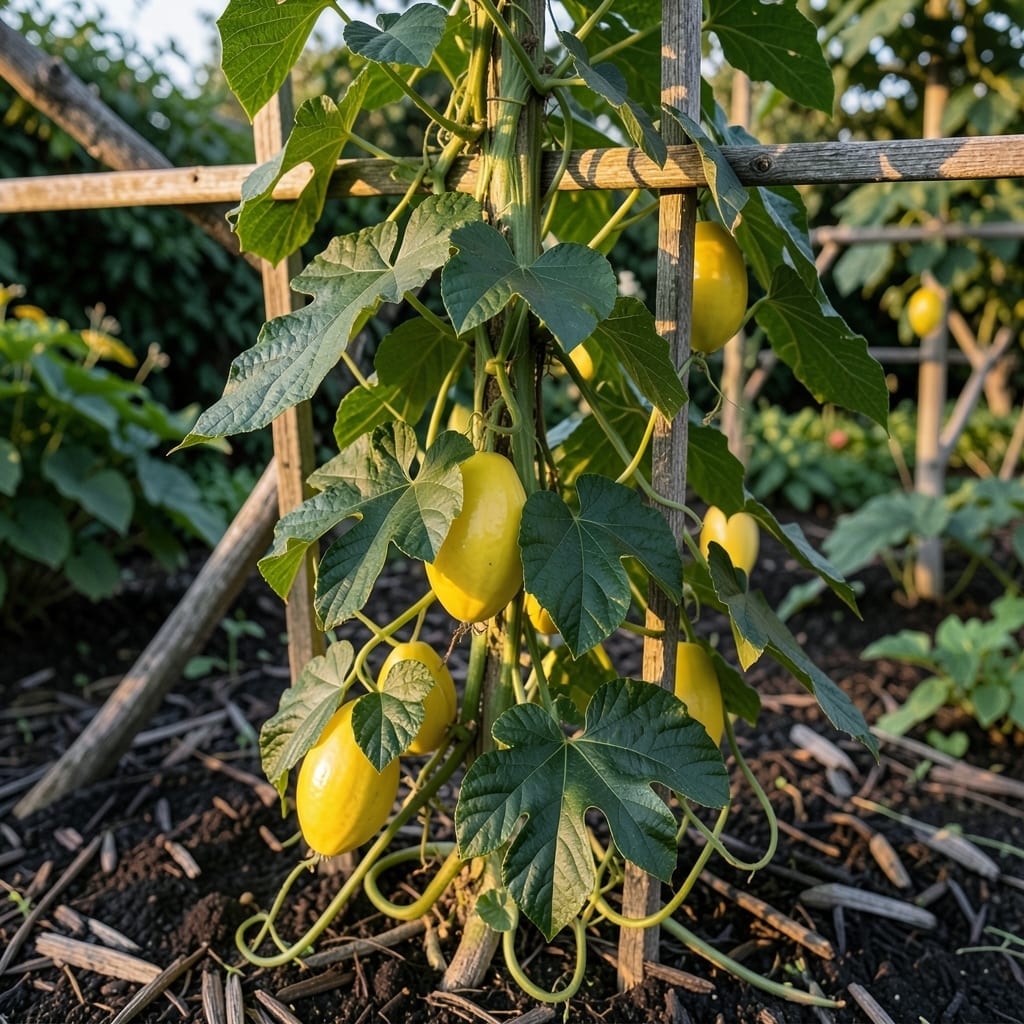
There’s nothing like spotting that first golden orb hanging from the vine. 🌟 I’ve grown four yellow passion fruit varieties in my zone 10 garden, and each brings something different to the table—sweeter pulp, thicker rinds, or more vigorous vines.
The key is matching the variety to your climate and space. Some thrive in containers, others need 15-foot trellises to reach their full potential. All of them reward you with exotic blooms and fruit that tastes like sunshine.
You’ll get fruit in 12-18 months from planting, with the right care. The vines establish fast once they get going, and the flowers? They’re like tiny tropical fireworks all summer long.
Works in ground or pots, from Florida to California. Here’s how to pick your perfect match.
The vibrant diversity in yellow passion fruit varieties arises from a mix of genetic, environmental, and cultivation factors. Here’s why these variations occur:
Passion fruit (Passiflora edulis) naturally exhibits genetic mutations, leading to differences in fruit color, size, and flavor. Yellow varieties, like Passiflora edulis f. flavicarpa, result from specific gene expressions that reduce anthocyanin pigments (responsible for purple hues) while boosting carotenoids (yellow/orange). Selective breeding further amplifies these traits.
Climate and soil conditions influence pigment development. In warmer, tropical regions, yellow passion fruits thrive due to increased carotenoid synthesis under high sunlight exposure. Cooler climates may suppress these pigments, favoring purple variants.
Growers intentionally propagate yellow varieties through grafts or seeds from high-yielding plants. Cross-pollination with other Passiflora species can also introduce new traits, though this may reduce consistency in commercial crops.
Understanding these causes helps gardeners select and cultivate the ideal yellow passion fruit for their needs.
Growing yellow passion fruit can be rewarding, but even the hardiest varieties may face setbacks. Below are practical fixes for typical problems, paired with prevention tips to keep your vines thriving. 🌱
If leaves turn pale or yellow, your plant may lack nitrogen or iron. Fix it: Apply a balanced fertilizer (10-10-10) or a nitrogen-rich organic amendment like compost. For iron deficiency, use chelated iron spray. Prevent it: Test soil pH (ideal: 6.0–7.0) and fertilize every 6–8 weeks during the growing season.
Aphids, mealybugs, or fruit flies can damage vines and fruit. Fix it: Spray with neem oil or insecticidal soap at dusk to avoid harming pollinators. For severe cases, introduce ladybugs or lacewings. Prevent it: Inspect plants weekly, remove debris, and encourage beneficial insects with companion plants like marigolds.
Inconsistent watering causes stress, leading to fruit drop. Fix it: Deep-water plants 2–3 times weekly in dry spells, ensuring soil is moist but not soggy. Mulch with straw to retain moisture. Prevent it: Use drip irrigation for even watering, and avoid wetting leaves to prevent fungal diseases.
Spots on leaves or rotten fruit signal fungal issues like anthracnose. Fix it: Remove affected parts immediately and apply copper-based fungicide. Prevent it: Space vines 6–8 feet apart for airflow, prune excess growth, and avoid overhead watering.
Pro tip: Rotate crops if replanting to prevent soil-borne diseases. 💡
Most yellow varieties produce fruit in 12-18 months from planting. Vines establish quickly in warm climates with proper care and support.
Yes! Dwarf varieties thrive in large pots with trellises. Ensure containers have drainage and use quality potting mix. Expect slightly smaller yields than in-ground plants.
They flourish in tropical and subtropical zones (9-11). Can tolerate brief cold snaps but need frost protection. Ideal temps are 68-86°F.
Ripe fruit falls from the vine or feels slightly soft. Color deepens to golden yellow, and the skin may wrinkle slightly. Harvest when fully colored for best flavor.