
Beautiful Plants For Your Interior
Beautiful Plants For Your Interior
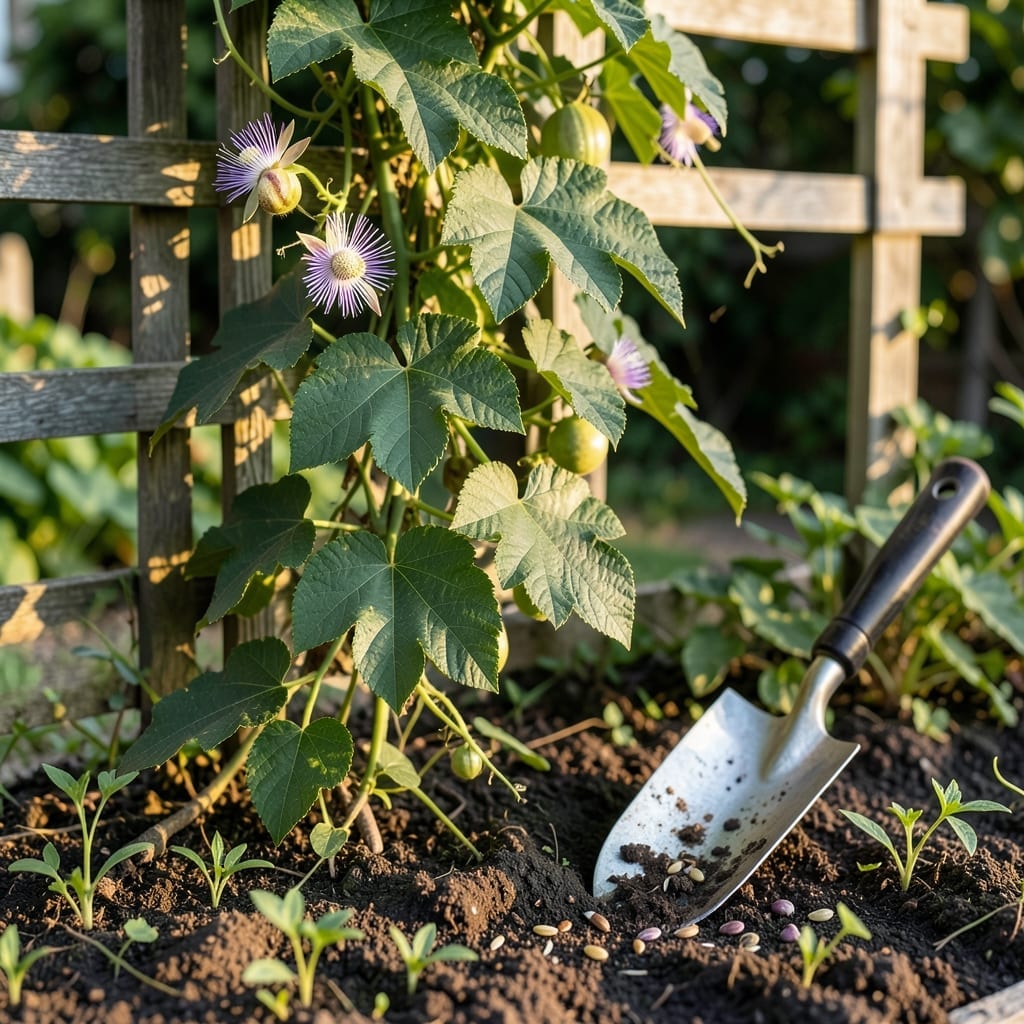
Timing is everything when planting Passion Fruit 🧡 in California, where climate zones create vastly different growing conditions. Get it right, and you’ll enjoy years of lush vines and sweet, tropical fruit.
I’ve seen gardeners struggle with poor timing, only to watch their plants falter in the wrong season. California’s diverse zones demand careful planning for this tropical favorite to thrive.
Whether you’re in coastal 10a or inland areas, knowing your local window makes all the difference. The spring planting season offers the perfect balance of warmth and growing time.
Discover the exact months to plant for your region and set your Passion Fruit up for success from day one. Let’s get your vines growing strong.
California’s diverse USDA zones mean planting times for passion fruit vary dramatically. From foggy coastal areas to scorching inland valleys, timing is key to success. I’ll break down the best windows for each region. 🌱
In Zone 7 (coldest areas), wait until late April or May after the last frost. Zone 8 gardeners can start in mid-April, while Zone 9 thrives with March plantings. Warmer zones offer earlier starts. 🌿
| USDA Zone | Best Planting Time | Key Consideration |
|---|---|---|
| 7 | Late April-May | Avoid frost risk |
| 8 | Mid-April | Moderate frost dates |
| 9 | March-April | Long growing season |
| 10 | February-March | Ideal coastal climate |
| 11 | Year-round | Frost-free conditions |
Coastal areas in Zones 9-10 benefit from mild winters and cool summers. Here, February plantings often work, but watch for late frosts. The marine layer helps moderate temperatures.
Inland regions in Zones 8-9 experience hotter summers and colder winters. I recommend March-April planting to avoid heat stress and frost damage. Always use mulch to protect roots.
For Zone 11 (desert areas), passion fruit can be planted year-round, but spring and fall are ideal. Avoid peak summer heat above 100°F, which can stress young plants.
Microclimates matter too! Even within a zone, sun exposure, wind patterns, and soil type affect planting times. A south-facing wall can create a warmer microclimate, allowing earlier planting.
I always check soil temperature—it should be at least 60°F for passion fruit. Use a soil thermometer for accuracy. In cooler zones, black plastic mulch can help warm the soil faster.
Remember, passion fruit vines need 6-8 hours of full sun daily. In hotter zones, afternoon shade can prevent sunburn on leaves. Adjust your planting spot accordingly.
Finally, water needs vary by zone. Coastal plants may need less frequent watering due to humidity, while inland plants require deep, regular watering to combat dry conditions. ☀️
Planting passion fruit in California requires careful site selection and soil prep. I always recommend choosing a sunny location with at least 6-8 hours of direct sunlight daily. The soil should be well-draining with a pH of 6.0-7.0 for optimal growth.
Before planting, I prepare the area by removing weeds and loosening the soil to 12-18 inches deep. Adding organic compost improves fertility and drainage, which is crucial for this tropical vine.
I always install a sturdy trellis before planting, as passion fruit vines can grow 15-20 feet in a season. A vertical support system keeps the vines organized and makes harvesting easier. Space plants 10-15 feet apart to allow for proper air circulation.
In California’s Mediterranean climate, I’ve found that drought-tolerant practices work best. Once established, passion fruit can handle dry spells, but regular watering is essential during the first growing season. I water deeply once a week, adjusting for rainfall.
For best results, plant after the last frost date when soil temperatures reach 60°F. In most California zones, this means March through April is ideal. Coastal areas may plant earlier, while inland regions should wait until all frost danger has passed.
After planting, I monitor the vines closely for the first few weeks. Consistent moisture is key during establishment. Once the vines start growing, I reduce watering frequency but increase the amount to encourage deep root development. ☀️