
Beautiful Plants For Your Interior
Beautiful Plants For Your Interior
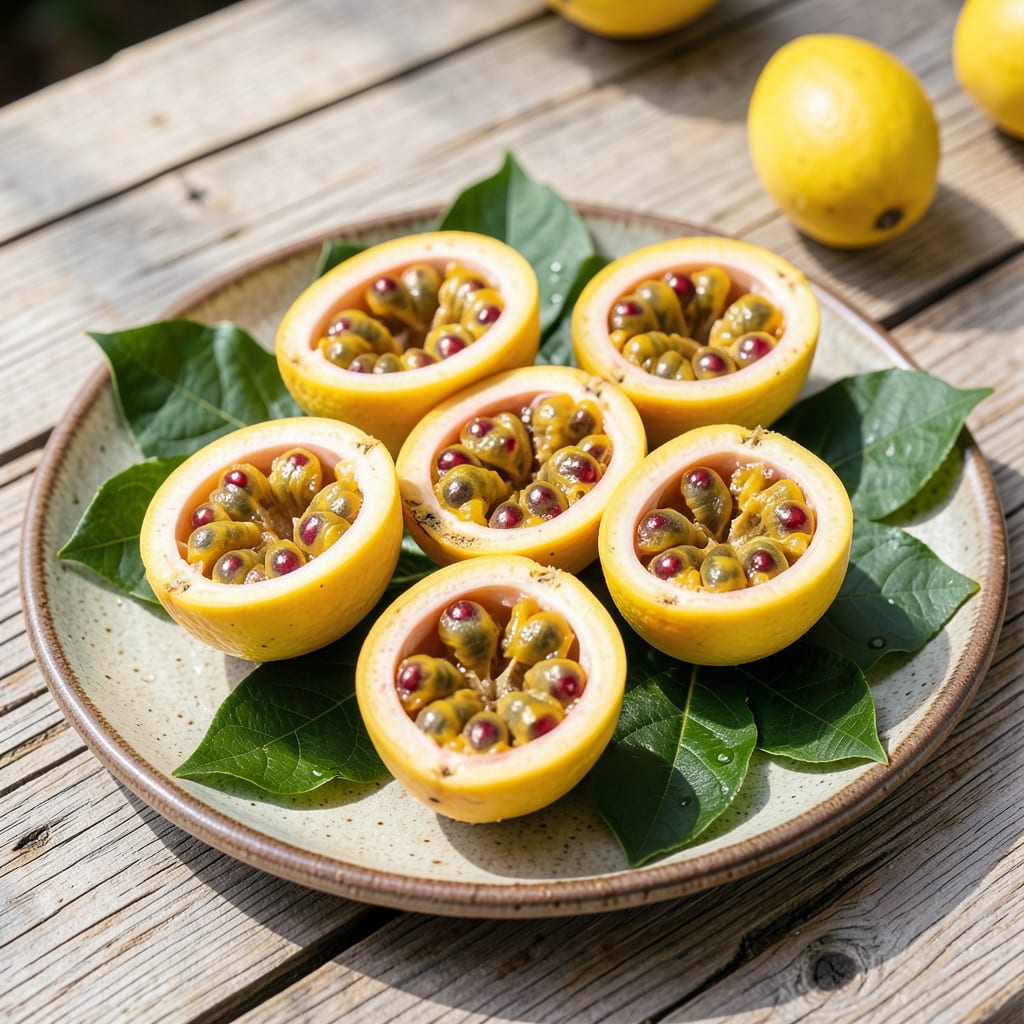
This tropical vine transformed my backyard into a jungle paradise. Yellow passion fruit with red seeds isn’t just stunning—it’s surprisingly hardy once established.
I started with one plant three years ago. Now I’ve got a sprawling vine that produces fruit from summer through fall, with those striking red-speckled centers that make every harvest feel like a gift.
📚 In This Guide
Here’s the method I rely on to grow healthy, productive vines that thrive in home gardens.
Choose a location with full sun—at least 6-8 hours of direct sunlight daily—as this tropical vine demands bright light for optimal growth and fruiting. The soil should be well-draining with a pH between 6.0 and 6.5. I always amend the area with compost or aged manure to improve fertility and drainage before planting.
Space plants 10-12 feet apart to accommodate their vigorous growth. If planting near a structure, ensure it has a sturdy trellis or support system, as vines can reach 15-20 feet in a single season. Test soil drainage by digging a 1-foot hole and filling it with water—if it drains within 1 hour, the site is suitable.
Dig a hole twice as wide and deep as the root ball of your passion fruit vine. Gently remove the plant from its container, loosening any circled roots to encourage outward growth. Place it in the hole so the top of the root ball sits 1 inch above the soil line to prevent waterlogging.
Backfill the hole with native soil, tampling lightly to remove air pockets. Water deeply with 2-3 gallons of water to settle the soil around the roots. I always add a 2-inch layer of mulch around the base to retain moisture and suppress weeds, but keep it 3 inches away from the stem to avoid rot.
Install a sturdy trellis or arbor at planting, as the vine will need immediate support. I use a 5-6 foot tall structure with horizontal wires or a lattice design. Gently tie the main stem to the support with soft plant ties or twine, allowing room for growth without constriction.
Prune any side shoots that emerge from the base during the first 4-6 weeks to direct energy into establishing the main vine. Once the vine reaches the top of the support, pinch off the growing tip to encourage lateral branching. Watch for tendrils—they’ll wrap around the support naturally, but guide them if needed.
Keep the soil consistently moist but not soggy during the first 2-3 months after planting. Water deeply 2-3 times per week, adjusting based on rainfall and soil conditions. I check moisture by sticking my finger 2 inches into the soil—if it feels dry, it’s time to water.
Begin fertilizing with a balanced 10-10-10 fertilizer once the vine starts actively growing, typically 4-6 weeks after planting. Apply every 4-6 weeks during the growing season, following package instructions. Switch to a low-nitrogen, high-phosphorus fertilizer when the vine starts flowering to promote fruiting.
Passion fruit vines produce flowers 12-18 months after planting. Hand-pollination may be necessary in areas with few natural pollinators. Use a small paintbrush to transfer pollen from one flower to another in the early morning when flowers are fully open.
Prune the vine annually in late winter to remove dead or overgrown wood and maintain shape. Thin out excessive growth to improve air circulation and sunlight penetration. Harvest fruits when they fall to the ground or the skin wrinkles slightly—this signals peak ripeness. Expect 50-100 fruits per vine in a good season.
Small details make the difference between a struggling vine and a thriving, fruit-laden plant.
Sunlight and Spacing: The 6-8 hours of direct sunlight daily requirement isn’t just a suggestion—it’s critical for fruit production. I learned this the hard way when my first vine barely produced any fruit in partial shade. Also, resist the temptation to crowd plants. Those 10-12 feet apart spacing guidelines exist because vines can stretch 15-20 feet in a single season, and proper airflow prevents disease.
Soil Preparation: Don’t skip the drainage test from Step 1. Dig that 1-foot hole, fill it with water, and if it doesn’t drain within 1 hour, amend the soil with sand or organic matter. The pH sweet spot of 6.0-6.5 is equally important—passion fruit vines hate acidic conditions. I always mix in compost before planting to hit both the drainage and fertility targets.
Initial Training: During the first 4-6 weeks after planting, be ruthless with side shoots. Every bit of energy the vine puts into those early offshoots is energy diverted from establishing the main stem. Once the vine reaches the top of your 5-6 foot support structure, pinch that growing tip—this is what encourages the lateral branching that will eventually bear fruit.
Yes! The vibrant red seeds inside yellow passion fruit are edible and packed with fiber. They add a delightful crunch and tart flavor, perfect for juices, desserts, or eating fresh.
Typically, yellow passion fruit takes 70–80 days from flowering to ripen. Look for a wrinkled, golden-yellow skin and a slightly soft texture for the best flavor.
Absolutely! Use a large pot (at least 12–16 inches deep) with well-draining soil and a sturdy trellis. Ensure it gets full sun and regular watering for healthy growth.
Common issues include insufficient pollination, poor soil nutrients, or lack of sunlight. Hand-pollinate flowers if bees are scarce, and fertilize with compost or balanced fertilizer.
Purple passion fruit is a great substitute with a similar taste and texture. Other tropical options include guava or soursop, though flavors differ slightly.
