
Beautiful Plants For Your Interior
Beautiful Plants For Your Interior
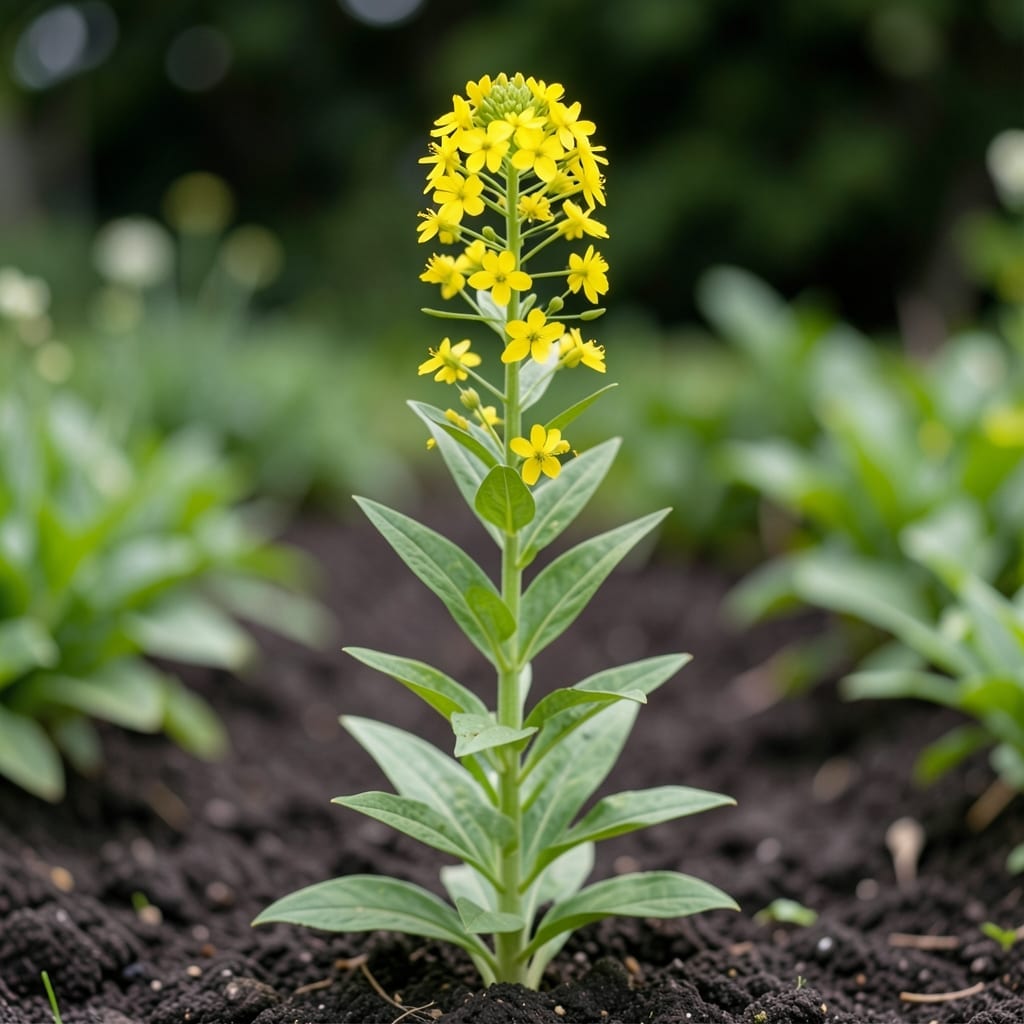
Those yellowing leaves on your loosestrife aren’t just unsightly—they’re a warning sign. I’ve seen healthy purple spikes turn sickly overnight, and it always comes down to one of three culprits.
Could be overwatering, nutrient starvation, or sneaky pests setting up camp. The good news? Each has a simple fix that doesn’t involve harsh chemicals. Most gardeners don’t realize how quickly this spreads to nearby plants.
You’ll want to act fast before the whole clump weakens. The solutions range from adjusting your watering schedule to a 10-minute organic spray treatment that restores color within a week.
Works for both established beds and container plantings. Here’s how to diagnose and fix it for good.
Several factors can turn Lysimachia (loosestrife) leaves yellow. Below are the most common causes, explained with actionable insights.
Yellowing often signals a lack of essential nutrients, particularly nitrogen or iron. Nitrogen deficiency starts in older leaves, turning them uniformly pale yellow. Iron deficiency, however, causes interveinal chlorosis—yellowing between leaf veins while veins stay green. Test soil pH; loosestrife prefers slightly acidic to neutral (6.0–7.0). Amend with compost or iron chelates if needed.
Soggy roots suffocate, blocking nutrient uptake and leading to yellow, wilted leaves. Loosestrife thrives in moist but well-draining soil. If your plant sits in waterlogged conditions, improve drainage with organic matter or relocate to a better spot.
Sap-sucking pests like aphids or spider mites drain plant fluids, causing stippled yellow patches. Check leaf undersides for tiny insects or webbing. Blast them off with water or apply neem oil for organic control.
Too much sun can scorch leaves, while too little leads to weak, yellow growth. Loosestrife prefers partial shade. If leaves turn yellow with brown edges, consider relocating or adding shade cloth during peak sunlight.
If your loosestrife leaves are turning yellow, don’t panic! Here’s how to diagnose and fix the most common issues, along with prevention tips to keep your plants thriving.
Yellow leaves often signal root rot from too much water. Let the soil dry slightly between waterings, and ensure your loosestrife is planted in well-draining soil. If the roots are mushy, trim affected areas and repot in fresh, dry soil. Prevention tip: Use a moisture meter 🌡️ to avoid guesswork—water only when the top inch of soil is dry.
Yellowing can mean your plant lacks nitrogen (uniform yellow) or iron (yellow with green veins). Apply a balanced, slow-release fertilizer or a chelated iron supplement for a quick boost. Prevention tip: Test your soil annually ✨ to catch deficiencies early. Organic compost is a great long-term fix!
Loosestrife prefers partial shade. If leaves scorch or turn yellow-brown, move potted plants to a shadier spot or add a shade cloth. Prevention tip: Monitor sunlight exposure 🎯—aim for 4–6 hours of morning sun and afternoon shade for best results.
Sap-sucking pests like aphids or spider mites can stress plants, causing yellowing. Spray leaves with neem oil or insecticidal soap, focusing on the undersides. Prevention tip: Encourage beneficial insects 🐞 (like ladybugs) to keep pests in check naturally.
Fungal diseases (e.g., powdery mildew) thrive in damp, crowded conditions. Prune affected leaves, space plants properly, and water at the base to keep foliage dry. Prevention tip: Water early in the day ⏰ so leaves dry quickly in the sun.
Nutrient issues often show as uniform yellow or green-veined patterns. Overwatering causes soft, wilted leaves with mushy stems. Test soil moisture first—if it’s soggy, adjust watering before fertilizing.
Severely damaged leaves won’t recover, but new growth will be healthy once the underlying issue is fixed. Remove yellow leaves to redirect energy to fresh foliage.
Apply chelated iron spray directly to leaves for quick absorption. For long-term results, amend soil with 1 tablespoon of iron sulfate per gallon of water.
Yes, neem oil is safe and effective for all types when diluted properly. Use 1 teaspoon per 1 quart of water and apply in the evening to avoid leaf burn.