
Beautiful Plants For Your Interior
Beautiful Plants For Your Interior
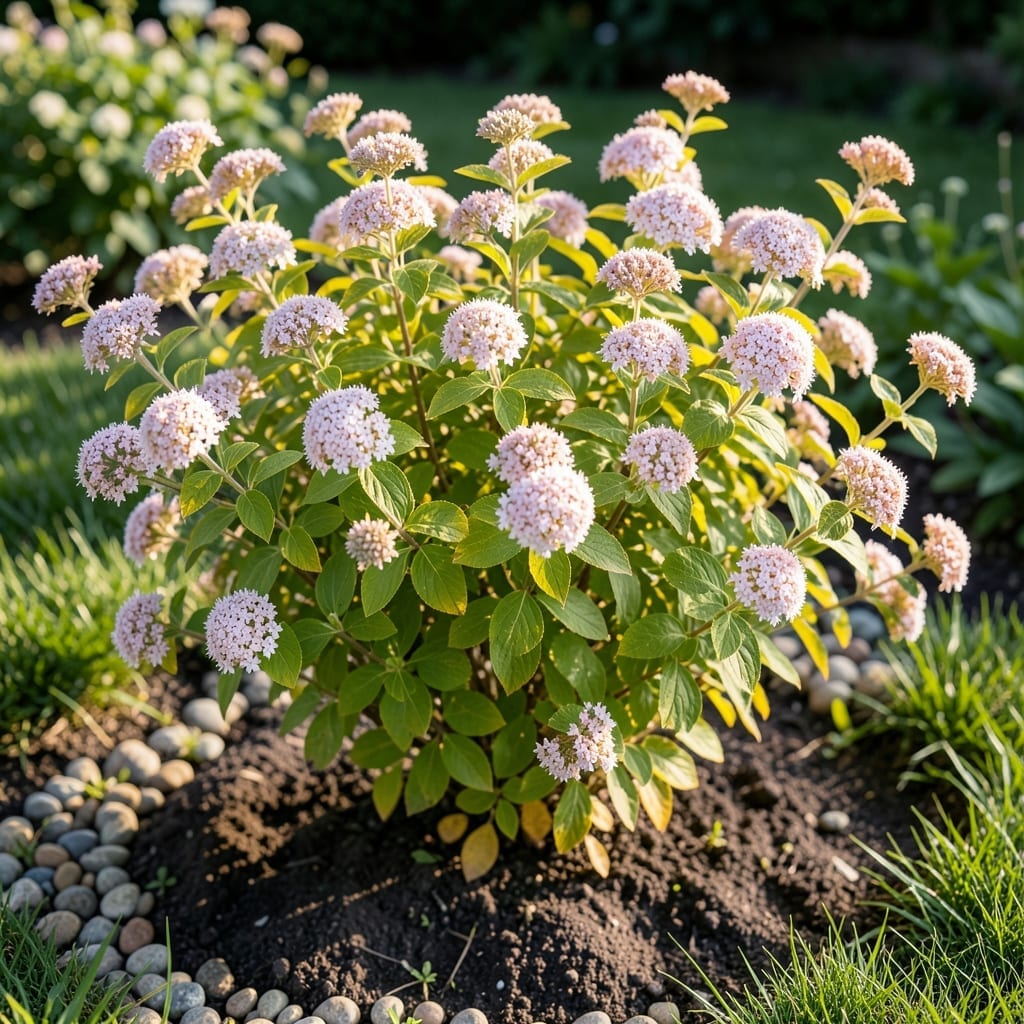
Those bright leaves on your spirea aren’t supposed to be that color. I’ve seen this before—yellowing often starts at the edges or between veins, signaling something’s off with your plant’s health.
It’s usually not one dramatic problem but a combination of factors: too much water, not enough nutrients, or maybe a pest you haven’t spotted yet. The good news? Spirea are tough plants that respond well to simple fixes.
With the right adjustments, you’ll see fresh green growth returning within 2-3 weeks. The key is catching it early and addressing the root cause, not just the symptoms.
Works for established shrubs and new plantings alike. Here’s how to diagnose and fix it for good.
Yellowing leaves on spirea shrubs, known as chlorosis, often signal underlying issues that disrupt chlorophyll production. Below are the most common causes, explained with actionable insights.
Iron and nitrogen deficiencies are primary culprits. Iron deficiency, common in alkaline soils (pH > 7.0), blocks chlorophyll synthesis, turning leaves yellow while veins stay green. Nitrogen deficiency causes uniform yellowing, often starting in older leaves. Test soil pH—amend with sulfur or iron chelates if pH is high. Apply a balanced fertilizer (10-10-10) for nitrogen.
Root asphyxiation from waterlogged soil prevents nutrient uptake, leading to yellowing. Spirea thrives in well-draining soil. Check drainage by digging a 1-foot hole—if water pools for hours, mix in compost or sand. Reduce watering frequency; let the top inch of soil dry between sessions.
Pathogens like Verticillium or Phytophthora attack roots, causing yellowing and wilting. Infected plants may show brown streaks in stem cross-sections. Remove affected branches and apply fungicide (e.g., copper-based). Avoid overhead watering to limit fungal spread.
Spider mites and aphids sap plant juices, stressing the shrub and causing yellow spots or mottling. Inspect leaf undersides for webs or tiny insects. Blast pests off with water or use insecticidal soap. Introduce beneficial insects like ladybugs for long-term control.
Excessive heat or sudden temperature drops can trigger leaf yellowing. Spirea prefers full sun but may scorch in extreme heat. Provide afternoon shade in hot climates and mulch to regulate soil temperature. Avoid planting in frost-prone areas without protection.
If your spirea’s leaves are turning yellow, act fast to restore its health. Below are targeted solutions for the most common causes, along with prevention tips to keep your plant thriving.
Yellow leaves often signal a lack of nitrogen or iron. Fix it: Apply a balanced, slow-release fertilizer (10-10-10) in early spring. For iron deficiency, use chelated iron supplements or amend the soil with compost. Prevention: Test soil annually and fertilize as needed—avoid over-feeding, which can burn roots.
Soggy soil suffocates roots, leading to yellowing. Fix it: Let the top 1-2 inches of soil dry out between waterings. If drainage is poor, transplant to a raised bed or amend soil with perlite. Prevention: Water deeply but infrequently (1-2 times weekly) and ensure pots have drainage holes.
Too much direct sunlight can scorch leaves. Fix it: Move potted spirea to partial shade or use shade cloth during peak afternoon hours. Prevention: Plant in a spot with morning sun and afternoon shade, especially in hot climates.
Spider mites or aphids sap plant vitality, causing yellowing. Fix it: Spray leaves with neem oil or insecticidal soap, focusing on undersides. For severe cases, prune affected areas. Prevention: Inspect leaves regularly and encourage beneficial insects like ladybugs.
Fungal spots or bacterial blight can turn leaves yellow. Fix it: Remove infected leaves and dispose of them (not in compost). Apply a copper-based fungicide if needed. Prevention: Space plants for airflow, avoid overhead watering, and clean pruning tools with rubbing alcohol.
💡 Pro Tip: Always sterilize tools and pots between uses to prevent spreading pathogens. Healthy spirea bounce back quickly with the right care!
Water deeply 1-2 times per week, allowing the top 1-2 inches of soil to dry out between sessions. Overwatering can cause yellowing, so check soil moisture first.
Use a balanced, slow-release fertilizer like 10-10-10 in early spring. For iron deficiency, apply chelated iron supplements. Avoid over-fertilizing, which can damage roots.
Yes! With proper care, new green growth typically appears within 2-3 weeks. Address the root cause (nutrients, water, pests) and prune damaged leaves to encourage recovery.
This often indicates a nitrogen deficiency. Older leaves yellow first as the plant redirects nitrogen to new growth. Apply a nitrogen-rich fertilizer to restore balance.