
Beautiful Plants For Your Interior
Beautiful Plants For Your Interior
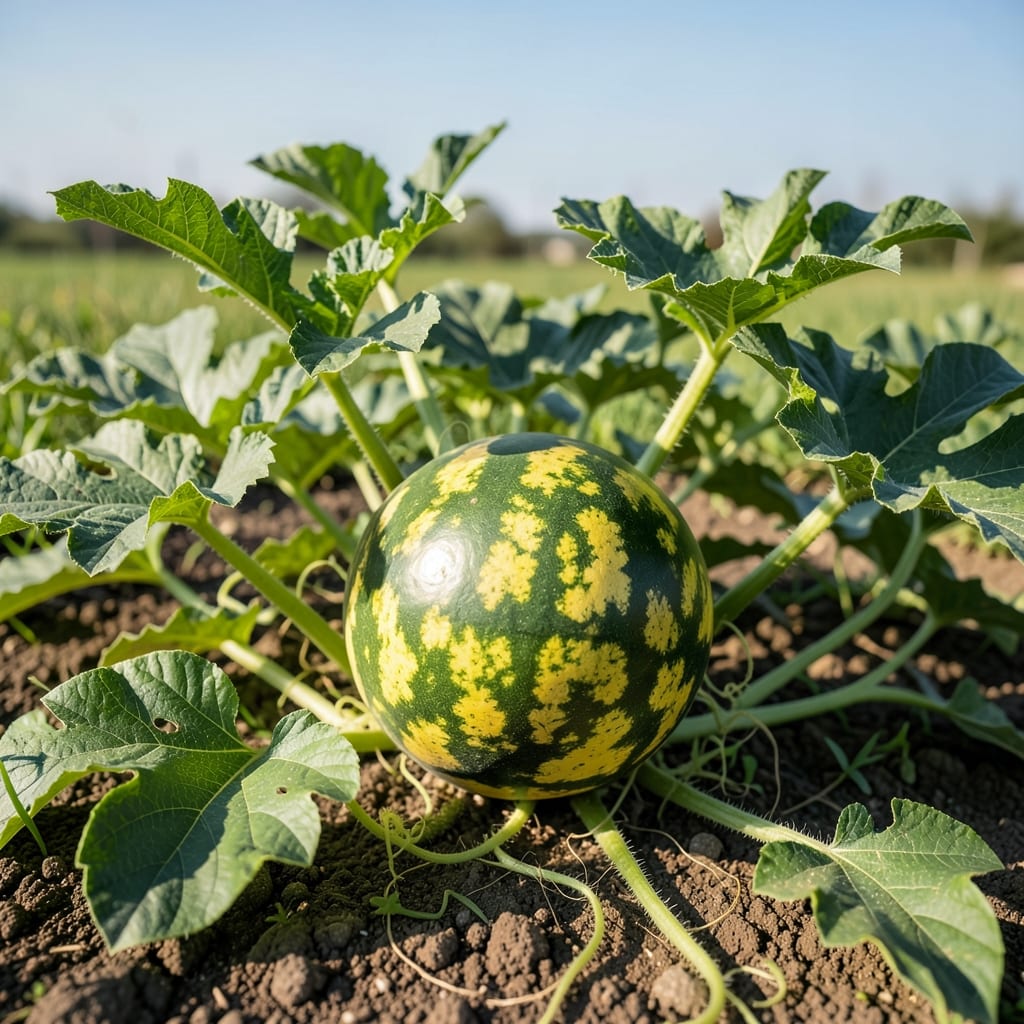
I still remember the first time I cut into a Yellow Doll watermelon. That shock of bright pink flesh inside the pale rind was a game-changer for my summer garden.
This heirloom variety thrives in full sun with well-draining soil, producing 8-12 pound fruits that taste like candy. The vines spread 6-8 feet, so give them room to roam or train them up a trellis.
Water consistently at the base—not the leaves—to prevent disease. You’ll know they’re ready when the tendril nearest the fruit turns brown and the underside shifts to a creamy yellow.
Perfect for gardeners who want something unique. The flavor is sweeter than most store-bought varieties, and the seeds are easy to save for next season.
The Yellow Doll watermelon is a beloved heirloom variety, but it can sometimes develop problems that affect its growth, flavor, or appearance. Understanding the root causes helps gardeners prevent or address these issues effectively.
One of the most common causes of trouble in Yellow Doll plants is fungal diseases like powdery mildew or fusarium wilt. These thrive in humid conditions or when plants lack proper airflow. Fungi attack leaves, stems, or fruit, leading to yellowing, wilting, or rot. To combat this, ensure good spacing between plants and avoid overhead watering.
Inconsistent watering—either overwatering or underwatering—can stress the plant, causing cracked fruit, poor sweetness, or stunted growth. Watermelons need deep, regular watering (1–2 inches per week) but dislike soggy roots. Use drip irrigation to maintain even moisture levels.
Pests like aphids, cucumber beetles, or squash bugs can weaken Yellow Doll plants by feeding on leaves or transmitting diseases. Check undersides of leaves for eggs or larvae and use organic neem oil or row covers for protection.
Watermelons are heat-loving plants, but extreme temperatures (below 50°F or above 90°F) can disrupt pollination or fruit development. Use black plastic mulch to retain soil warmth and provide shade cloth during heatwaves.
Growing Yellow Doll watermelons can be rewarding, but even heirlooms face challenges. Below are practical fixes for the most common problems, paired with prevention tips to keep your vines thriving. 🌱✨
If leaves turn yellow, it’s often a nitrogen deficiency. Fix: Apply a balanced, water-soluble fertilizer (10-10-10) or side-dress with compost. For quick results, use a foliar spray of fish emulsion. Prevent: Test soil before planting and amend with organic matter. Rotate crops yearly to avoid depletion.
Wilting can signal under- or overwatering. Fix: Check soil moisture 2 inches deep—water deeply if dry, or improve drainage if soggy. Mulch with straw to retain moisture. Prevent: Water consistently (1–2 inches per week) and use drip irrigation to avoid wetting foliage, which invites disease.
Cucumber beetles or aphids chewing leaves? Fix: Spray neem oil or insecticidal soap at dawn/dusk. Handpick pests or use row covers for young plants. Prevent: Plant trap crops like radishes nearby and encourage beneficial insects (ladybugs, lacewings) with companion flowers like marigolds.
White powder on leaves? Fix: Remove infected foliage and apply sulfur-based fungicide or a baking soda spray (1 tbsp baking soda + 1 tsp dish soap + 1 gallon water). Prevent: Space plants 3–4 feet apart for airflow, and avoid overhead watering. Choose resistant varieties if mildew is recurrent.
Pro Tip: 💡 Healthy soil is your best defense. Enrich beds with compost and practice crop rotation to minimize future issues.
This heirloom typically matures in 80-90 days from planting. Watch for the tendril near the fruit to turn brown and the underside to turn creamy yellow.
Give vines 3-4 feet apart in rows 6-8 feet apart. They need room to sprawl, or train them vertically on a sturdy trellis.
Inconsistent watering or harvesting too early are common causes. Ensure 1-2 inches of water weekly and wait until fully ripe for maximum sweetness.
Yes! Scoop out seeds, rinse off pulp, and dry them on a paper towel for 1-2 weeks. Store in a cool, dry place in an airtight container.