
Beautiful Plants For Your Interior
Beautiful Plants For Your Interior
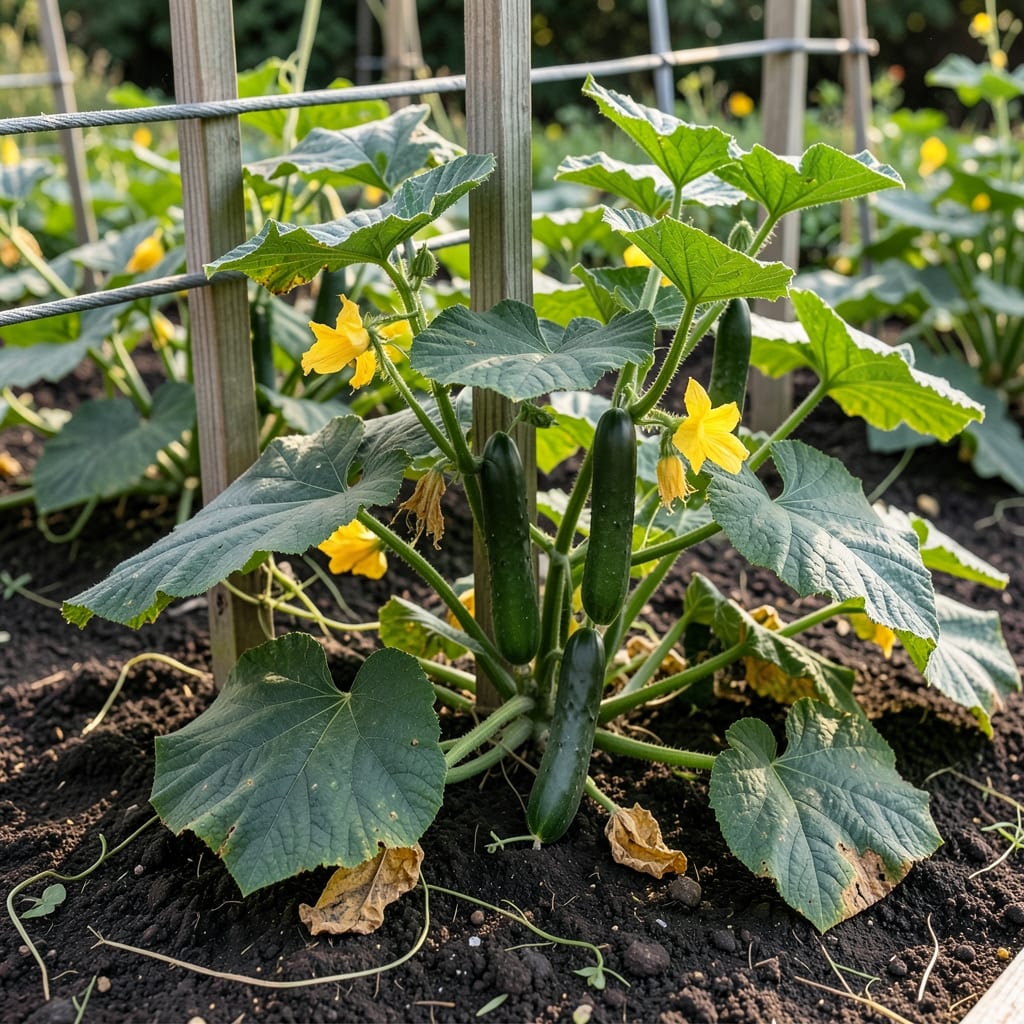
Nothing ruins a summer garden faster than seeing your cucumber plants droop overnight. I’ve lost entire vines to this before realizing the fix is often simpler than you think.
Wilted leaves usually scream one of three things: thirst, disease, or pests. The good news? You can diagnose the problem in 5 minutes with a quick plant inspection and soil check.
Most cases bounce back within 24-48 hours once you address the root cause. Natural solutions work best—no harsh chemicals needed to revive your plants.
Prevention is easier than cure, so I’ll share the daily habits that keep my cucumbers thriving all season long.
Several underlying issues can cause cucumber leaves to wilt, often signaling stress or disease. Below are the most common causes, explained with actionable insights.
Cucumbers thrive in consistent moisture. Underwatering disrupts nutrient uptake, while overwatering suffocates roots, both leading to wilting. Extreme heat (above 90°F) accelerates transpiration, causing leaves to droop as the plant conserves water. Check soil moisture 1–2 inches deep—dryness or sogginess is a red flag.
Pathogens like Fusarium wilt or Phytophthora blight clog the plant’s vascular system, blocking water flow. Look for yellowing, brown streaks on stems, or sudden collapse. These fungi thrive in wet, poorly drained soil. Rotate crops and use resistant varieties (e.g., ‘County Fair’ cucumbers) to prevent recurrence.
Sap-sucking pests such as aphids or cucumber beetles damage leaves and transmit bacterial wilt (Erwinia tracheiphila). Beetles often leave chewed leaves, while aphids cause sticky residue (honeydew). Introduce beneficial insects like ladybugs or apply neem oil for early control.
Spread by cucumber beetles, this bacterium multiplies in the plant’s vascular tissue, causing rapid wilting—often starting with a single vine. Unlike fungal wilt, bacterial wilt leaves no stem streaks but may ooze milky fluid when cut. Remove infected plants immediately to contain the spread.
A lack of magnesium or potassium can weaken cell structure, leading to limp leaves. Magnesium deficiency often shows as interveinal chlorosis (yellowing between veins), while potassium deficiency causes leaf edges to brown. Test soil and amend with compost or a balanced fertilizer (e.g., 10-10-10).
If your cucumber plants are looking sad with droopy leaves, don’t panic—most causes are fixable! Here’s how to tackle each issue head-on and nurse your plants back to health.
Give your cucumbers a deep soak at the base, ensuring the water reaches the roots (about 1–2 inches down). Water in the early morning to reduce evaporation. Prevention tip: 💡 Mulch around the plants with straw to retain moisture and keep soil cool.
Stop watering immediately and check for root rot (dark, mushy roots). Trim affected roots and repot in fresh, well-draining soil if needed. Prevention tip: 🌱 Use a moisture meter or the finger test—only water when the top inch of soil is dry.
For aphids or cucumber beetles, spray leaves with a mix of water and neem oil (1 tbsp oil per gallon) or insecticidal soap. Remove heavily infested leaves. Prevention tip: 🛡️ Introduce beneficial insects like ladybugs or use row covers early in the season.
Remove wilted leaves immediately and avoid overhead watering. Apply a copper fungicide or a DIY baking soda spray (1 tsp baking soda, 1 quart water, a few drops of dish soap). Prevention tip: ☀️ Space plants 12–18 inches apart for airflow and rotate crops yearly.
Provide temporary shade cloth (30–50%) during peak afternoon heat. Keep soil moist (not soggy) to help roots stay cool. Prevention tip: ❄️ Plant cucumbers where they get morning sun and afternoon shade in hot climates.
With quick action and these targeted fixes, your cucumbers should perk up in no time!
Yes, most cases recover within 24-48 hours once you fix the underlying issue. Early intervention is key—check for underwatering, pests, or disease first. Healthy plants often bounce back quickly with proper care.
Pests like beetles leave chewed leaves, while aphids create sticky residue. Diseases often show stem discoloration or oozing when cut. Inspect leaves and stems closely for these telltale signs.
Start with a deep watering at the base and provide shade if heat is the culprit. Trim damaged leaves and remove pests immediately. Most plants perk up within a day of treatment.