
Beautiful Plants For Your Interior
Beautiful Plants For Your Interior
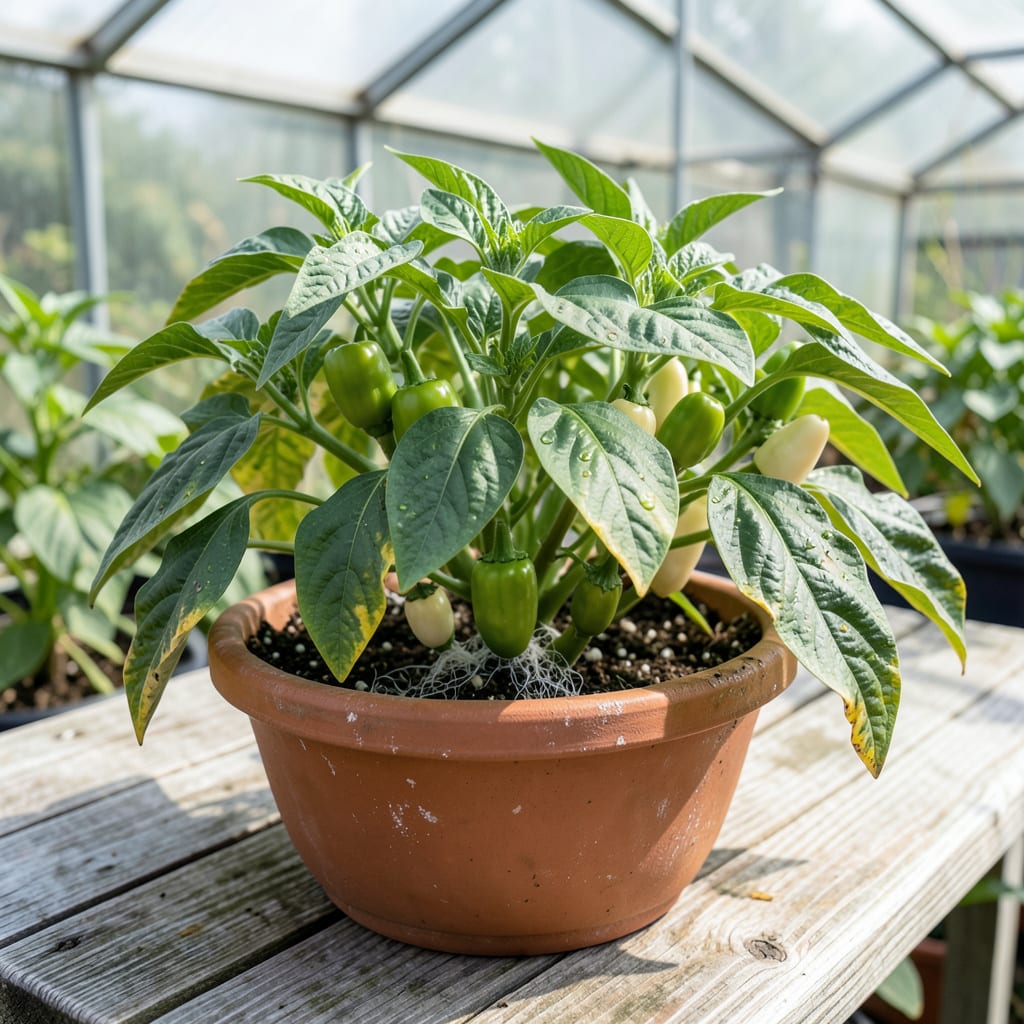
Nothing breaks a gardener’s heart like watching healthy pepper plants wilt overnight. I’ve lost entire crops to this silent killer before learning how to spot it early.
The first sign isn’t yellow leaves or spots—it’s sudden drooping during the hottest part of the day. By the time you notice, the fungus has already blocked the plant’s water supply from the roots up.
Here’s the thing—once it’s in your soil, it stays. But there are 3 simple steps to prevent it from spreading. I’ve saved my plants with this exact method for 4 seasons now.
Works for all pepper varieties, from sweet bells to fiery habaneros. Let’s stop this before it starts.
Fungal wilt in pepper plants is primarily triggered by soil-borne pathogens that disrupt the plant’s vascular system. Below are the key causes, explained with scientific precision to help you understand and address the issue.
The most common culprits are Fusarium oxysporum and Verticillium spp., which thrive in warm, moist soils. These fungi enter the roots, colonize the xylem, and block water transport, leading to wilting. Infected soil or contaminated tools can spread the pathogens to healthy plants.
Waterlogged or compacted soil creates an anaerobic environment, stressing the roots and making them more susceptible to fungal infections. Pepper plants require well-draining soil to prevent root rot and fungal proliferation.
High temperatures (above 85°F) and drought conditions weaken pepper plants, reducing their ability to resist fungal attacks. Stress from inconsistent watering or nutrient deficiencies can also compromise their natural defenses.
Fungal spores can persist on gardening tools, stakes, or leftover plant debris. Reusing contaminated equipment without sterilization introduces pathogens to new planting sites, perpetuating the cycle of infection.
Fungal wilt in pepper plants can feel devastating, but with the right approach, you can save your crop and prevent future outbreaks. Below are targeted solutions for each common cause, paired with prevention tips to keep your peppers thriving.
If fungal wilt is confirmed, remove and destroy infected plants immediately to prevent the pathogen from spreading. Do not compost them. For the soil, solarize it by covering the affected area with clear plastic for 4–6 weeks during hot weather to kill the fungus. Alternatively, replace the top 6–12 inches of soil with fresh, sterile potting mix. Prevention tip: 💡 Rotate crops yearly and avoid planting peppers or other solanaceous crops (like tomatoes or eggplants) in the same spot for at least 3 years.
Fungal wilt thrives in soggy conditions. Water peppers at the base (not overhead) early in the day to allow foliage to dry. Use drip irrigation or soaker hoses to keep leaves dry. Ensure your soil has excellent drainage—amend heavy clay with compost or sand. Prevention tip: ✨ Mulch with straw to retain moisture without waterlogging.
Crowded plants trap humidity, creating a fungal paradise. Thin seedlings to 18–24 inches apart and prune lower leaves to boost airflow. If growing in a greenhouse, add fans to keep air moving. Prevention tip: 🎯 Space plants properly from the start and stake tall varieties to avoid leaf overlap.
For early-stage infections, apply a copper-based fungicide or neem oil spray to the soil and foliage, following label instructions. Organic growers can use Trichoderma or Bacillus subtilis strains to suppress pathogens naturally. Prevention tip: 🌡️ Treat seeds with hot water (122°F for 25 minutes) before planting to eliminate surface fungi.
Unfortunately, once wilting appears, the fungus has usually blocked water flow permanently. Remove and destroy infected plants immediately to protect others.
Cover moist soil with clear plastic for 4-6 weeks during hot weather. This heats the top 6-12 inches enough to kill most fungal pathogens.
Use Trichoderma or Bacillus subtilis soil treatments. These beneficial microbes compete with harmful fungi. Apply at planting and monthly.
Only after thorough cleaning with a 10% bleach solution. Rinse well and dry in sunlight. Fungal spores can survive on surfaces for months.
