
Beautiful Plants For Your Interior
Beautiful Plants For Your Interior
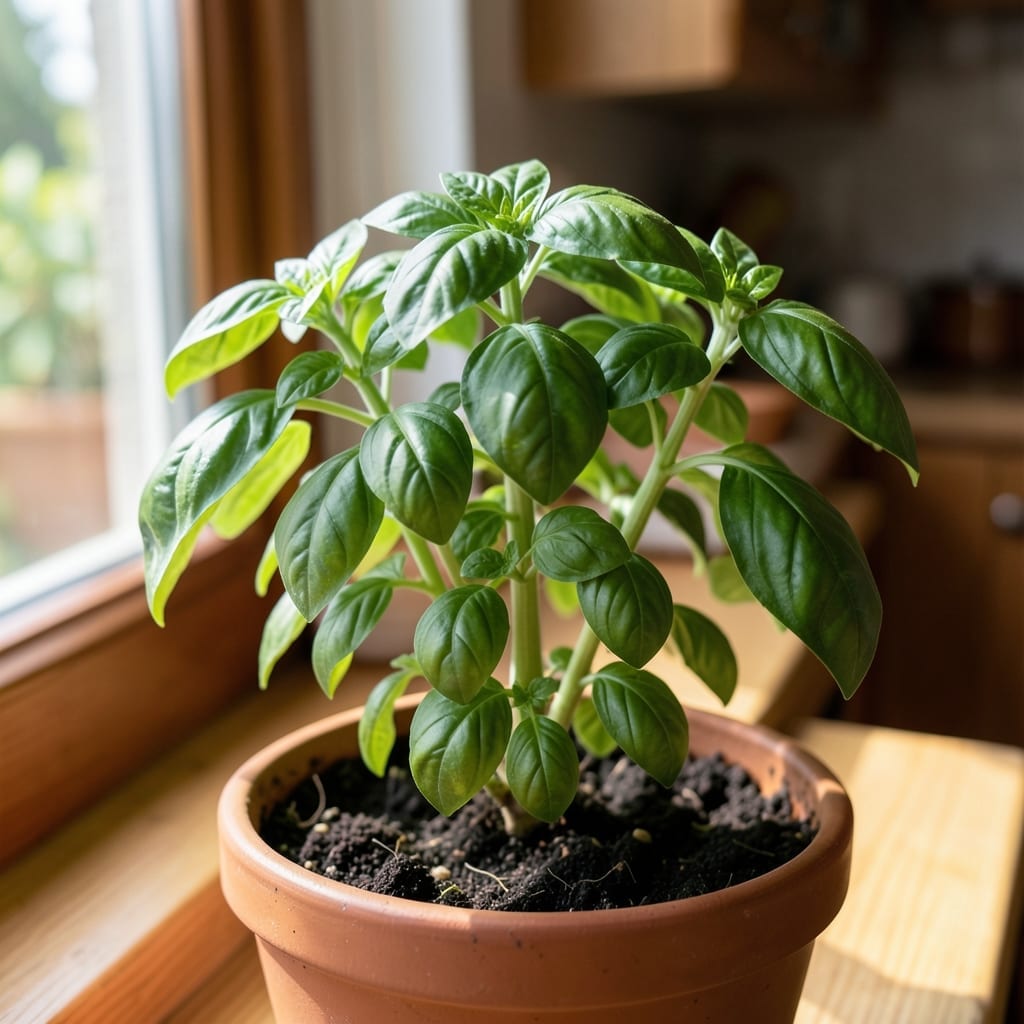
Your basil was thriving yesterday, now it looks like it’s giving up. Don’t panic—most cases of wilted leaves have simple fixes you can implement right now.
I’ve saved countless basil plants from the brink by checking three things first: soil moisture, light exposure, and pest activity. The solution is usually hiding in plain sight.
The revival process takes 24-48 hours for most plants once you correct the issue. You’ll see leaves perking up within 6 hours if you catch it early enough.
Works for potted plants, garden beds, or hydroponic setups. Here’s how to diagnose and fix it fast.
Basil leaves wilt due to several environmental and care-related factors. Understanding the root causes helps you revive your plant and prevent future issues. Below are the most common reasons, explained scientifically.
Basil thrives in warm conditions (70–85°F). Exposure to cold drafts (below 50°F) or heat spikes (above 90°F) disrupts cellular function, causing turgor loss—the pressure that keeps leaves rigid. Cold shock slows water uptake, while extreme heat accelerates transpiration, leaving leaves limp.
Overwatering suffocates roots, reducing oxygen absorption and promoting root rot (Pythium or Fusarium fungi). Underwatering starves the plant of moisture, forcing stomata (leaf pores) to close, which wilts foliage. Basil prefers consistently moist (not soggy) soil—check the top inch for dryness before watering.
Compacted or clay-heavy soil traps water, leading to anaerobic conditions (lack of oxygen) in the root zone. This stresses the plant and invites pathogens. Ensure pots have drainage holes and use a well-aerated, sandy loam mix to prevent waterlogging.
Basil requires 6–8 hours of sunlight daily. Insufficient light weakens photosynthesis, reducing the plant’s ability to maintain cellular turgor. Leggy growth with drooping leaves signals etiolation—a survival response to low light. Rotate pots or supplement with grow lights if needed.
Sap-sucking pests like aphids, whiteflies, or spider mites pierce leaf cells, draining fluids and introducing toxins. This causes localized wilting, yellowing, or curling. Inspect leaf undersides and stems for tiny insects or webbing.
Bringing your basil back to life starts with pinpointing the issue. Below are targeted fixes paired with prevention tips to keep your leaves perky and flavorful.
If the soil feels dry 1–2 inches down, your basil is thirsty. Soak the pot in a shallow tray of water for 10–15 minutes until the topsoil glistens. Drain excess water afterward to avoid root rot. Prevention: Water when the top inch of soil is dry—usually every 2–3 days in hot weather. Use a moisture meter for precision.
Yellowing leaves and soggy soil signal too much water. Stop watering immediately, move the pot to a sunny spot, and let the soil dry out. If roots are mushy, repot in fresh, well-draining soil. Prevention: Ensure pots have drainage holes and use a mix with perlite or sand to improve airflow.
Crispy, brown edges mean your basil is getting sunburned. Move it to a spot with bright, indirect light (east-facing windows are ideal). If outdoors, provide afternoon shade. Prevention: Gradually acclimate basil to direct sun over a week to avoid shock.
Basil wilts in cold drafts or extreme heat. Relocate indoor plants away from AC vents or heaters, and keep outdoor basil in a spot where temperatures stay between 70–90°F. Prevention: Use a cloche or row cover for outdoor plants during unexpected cold snaps.
Pale leaves may indicate a lack of nitrogen. Apply a balanced, water-soluble fertilizer (10-10-10) at half strength every 4–6 weeks. Avoid over-fertizing, which can burn roots. Prevention: Refresh potting soil annually or add compost to garden beds for a nutrient boost.
Inspect leaves for aphids or spider mites. Spray with a mix of 1 tsp mild soap + 1 quart water, or introduce ladybugs for outdoor plants. Prevention: Regularly mist leaves to deter pests and keep the area around plants clean.
Pro Tip 💡: Pinch off wilted leaves to redirect energy to healthy growth, but never remove more than one-third of the plant at once.
With proper care, leaves often perk up within 6 hours. Full recovery may take 24-48 hours, depending on the severity of the issue. Patience is key!
Yes, once the plant recovers, new growth will have full flavor. Older wilted leaves may taste slightly bitter, so it’s best to use fresh, healthy foliage.
Only if the cause is underwatering or light deficiency. Avoid eating leaves wilted from pests, disease, or overwatering, as these can harbor harmful bacteria or mold.
Remove only severely damaged leaves to help the plant focus energy on recovery. Never remove more than one-third of the plant at once.