
Beautiful Plants For Your Interior
Beautiful Plants For Your Interior
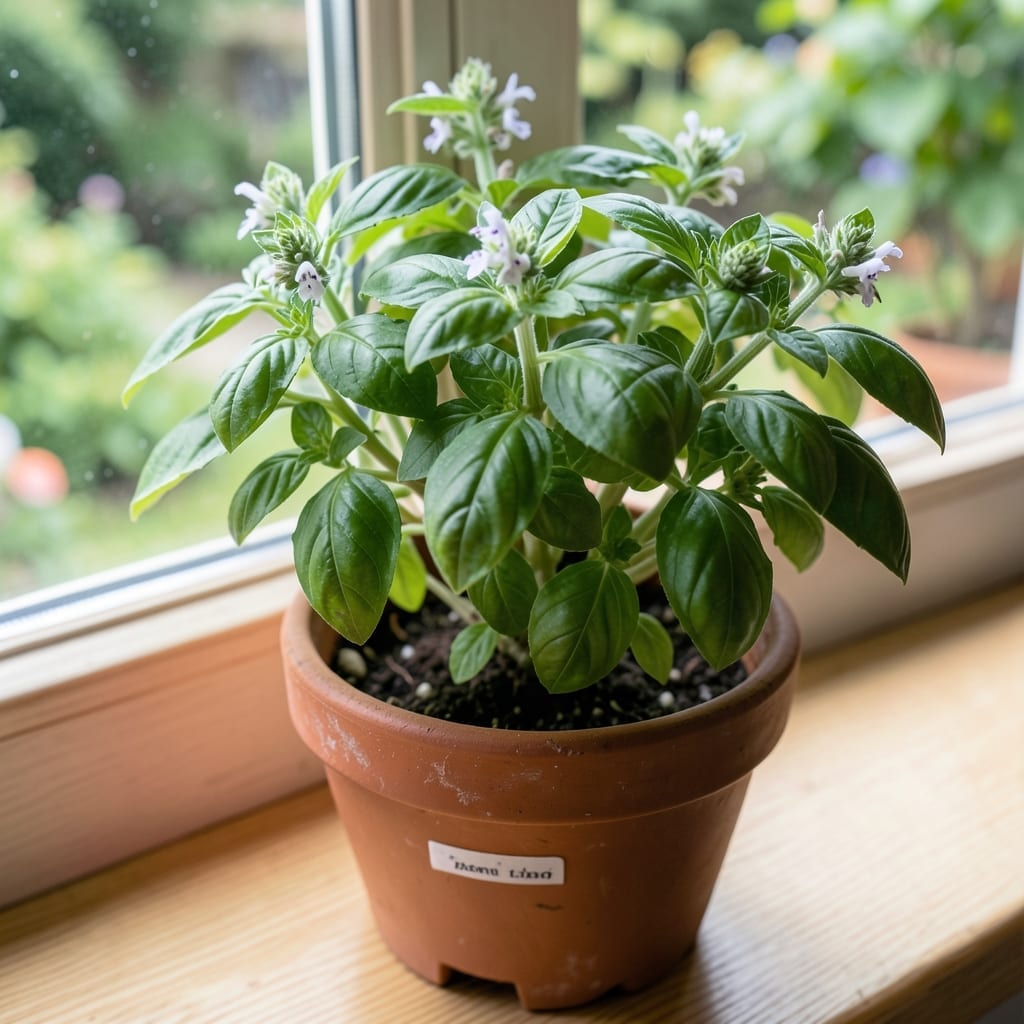
I’ve seen too many gardeners struggle with wilting 🌿 Basil when they could have thriving plants with just the right light. Getting this balance wrong means weak growth or burnt leaves.
Whether you’re growing in Zone 6 or containers indoors, the sunlight needs are clearer than you think. The difference between a struggling plant and a flourishing one often comes down to this single factor.
Discover the simple daily light formula that transforms your Basil from mediocre to magnificent. It’s easier than you’d expect to get it right every time.

I always tell gardeners that basil is a sun-lover, but there’s a sweet spot to hit. Most varieties need 6-8 hours of direct sunlight daily to thrive. This isn’t just a suggestion—it’s a requirement for those lush green leaves we all want.
Whether you’re growing sweet basil, Thai basil, or purple basil, the sunlight needs are quite similar. The key is consistency. Morning sun is ideal as it’s less intense than afternoon rays, which can sometimes scorch the leaves.
| Variety | Daily Sun Requirement | Ideal Conditions |
|---|---|---|
| Sweet Basil | 6-8 hours | Full sun |
| Thai Basil | 6-8 hours | Full sun |
| Purple Basil | 6-8 hours | Full sun |
For outdoor gardens, place your basil where it gets unobstructed sunlight for most of the day. If you’re in a particularly hot climate, a bit of afternoon shade can prevent leaf burn while still meeting the light requirements.
Container growing offers more flexibility. I recommend moving pots to follow the sun’s path. A south-facing windowsill works well indoors, but supplement with grow lights if natural light is insufficient, especially in winter.
In Zone 6, where frost dates are a consideration, start seeds indoors 6-8 weeks before the last frost. This gives your plants a head start. Once outdoors, ensure they receive that 6-8 hour sun minimum for robust growth.
Remember, seedlings are more sensitive. Start them with gentler light and gradually introduce more sun as they mature. This acclimation prevents shock and promotes stronger plants from the get-go.
If you notice leggy growth or pale leaves, it’s often a sign of insufficient light. On the flip side, brown spots or wilting can indicate too much direct sun, especially in extreme heat.
For those with limited sunlight, don’t despair. While basil prefers full sun, it can tolerate partial shade with slightly less vigorous growth. Just be prepared for a smaller harvest and potentially less intense flavor.
I’ve found that morning sun combined with bright indirect light in the afternoon works nearly as well as full sun. This approach can be particularly effective for balcony gardeners or those with east-facing windows.
At the end of the day, consistent sunlight is what your basil craves. Monitor your plants and adjust their position as needed to hit that 6-8 hour sweet spot. Your reward will be healthy, aromatic leaves ready for harvesting all season long.
☀️I’ve seen gardeners miss the subtle signs that their basil plants are struggling with light. Recognizing these early can save your crop. Yellowing leaves often signal too little sun, while brown, crispy edges indicate sunburn from excessive exposure.
Another common indicator is leggy growth. When basil doesn’t get enough light, it stretches toward the sun, resulting in weak, spindly stems. On the other hand, wilting in hot sunlight suggests your plant is getting too much direct heat without adequate water.
If you notice smaller leaves than usual, it’s another clue your basil may be light-starved. Basil needs that 6-8 hours of sun to produce its characteristic large, fragrant leaves. Without it, the plant focuses on survival rather than growth.
For over-exposed basil, afternoon shade can work wonders. In extreme heat, I recommend using shade cloth to filter the sunlight. This prevents heat stress while still allowing your plant to photosynthesize effectively.
Remember, seedlings are particularly vulnerable. They need gentle acclimation to full sun. Start with 2-3 hours of direct light daily, gradually increasing over a week. This prevents transplant shock and sets them up for success.
Finally, container-grown basil can be moved to adjust light exposure. If your plant shows signs of stress, relocate it to a spot with more shade or more sun as needed. This flexibility is one of the biggest advantages of growing in pots.
🌿