
Beautiful Plants For Your Interior
Beautiful Plants For Your Interior
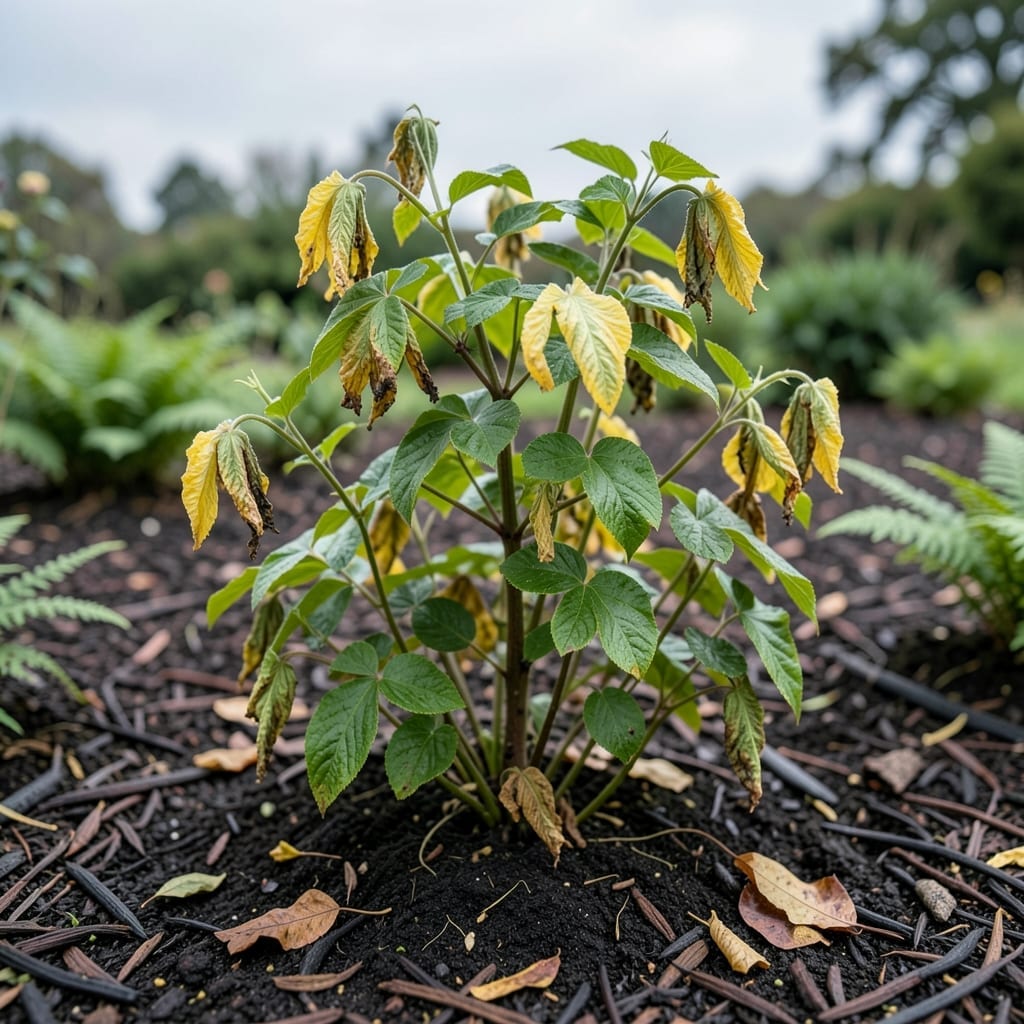
That sinking feeling when your clematis droops overnight is all too familiar. I’ve watched healthy vines turn limp in 24 hours from too much love—meaning water—more times than I care to admit.
Here’s the thing—clematis hate soggy roots. The wilt isn’t thirst; it’s drowning. Yellowing leaves and mushy stems are your plant’s way of screaming for air. Catching it early makes all the difference.
With a few quick fixes, you can coax it back to life. Stop watering immediately, check the drainage, and give those roots a chance to breathe. Most bounce back within a week if you act fast.
Prevention is simpler than you think. A well-draining pot, the right soil mix, and a watering schedule that lets the top inch dry out will keep your vine thriving for years.
Overwatering clematis triggers wilting through several interconnected mechanisms. Understanding these causes helps you prevent damage and restore plant health.
Clematis roots need oxygen to respire. When soil is waterlogged, air pockets are displaced, and roots drown. Without oxygen, root cells die, halting nutrient and water uptake. The plant can’t sustain its foliage, leading to drooping leaves and stems—classic signs of wilt despite wet soil.
Saturated soil creates ideal conditions for Phytophthora, Pythium, and other water-loving pathogens. These microbes attack the root system, causing root rot. As roots decay, they lose the ability to absorb water, paradoxically causing the plant to wilt even though the soil is soggy. Look for blackened, mushy roots as confirmation.
Overwatering leaches essential nutrients (like nitrogen and potassium) from the soil, while also altering pH levels. This disrupts the clematis’s ability to take up what nutrients remain. The result? Nutrient deficiency symptoms, including yellowing leaves and stunted growth, which often accompany wilting.
Healthy clematis stems rely on turgor pressure—internal water pressure—to stay upright. When roots are damaged from overwatering, they can’t supply enough water to maintain this pressure. The stems lose rigidity and collapse, even if the plant isn’t yet dead. This is especially noticeable in new growth.
Overwatering can leave your clematis looking sad and wilted, but don’t worry—it’s often fixable! Here’s how to nurse your vine back to health, step by step.
If you suspect overwatering, pause all watering right away. Let the soil dry out completely before giving it another drop. Stick your finger 2 inches into the soil—if it feels damp, wait longer. Clematis prefer moist but well-draining soil, so soggy roots are a no-go.
Prevention tip: 💡 Water only when the top 1-2 inches of soil are dry. Use a moisture meter for precision.
Poor drainage is a common culprit. If your clematis is in a heavy or compacted soil, amend it with organic matter like compost or perlite to loosen it up. For potted clematis, ensure the container has drainage holes and consider repotting with a fresh, well-draining mix.
Prevention tip: 🎯 Plant clematis in raised beds or slopes if your garden has clay soil.
Inspect the stems and leaves for blackened, mushy, or yellowing parts—these are signs of rot. Use clean, sharp pruners to remove affected areas, cutting back to healthy wood. This helps the plant redirect energy to recovery.
Prevention tip: ✨ Sterilize your pruners with rubbing alcohol between cuts to avoid spreading disease.
Overwatered plants benefit from better airflow and sunlight. If your clematis is in a shady, humid spot, consider relocating it to a sunnier area (they love 6+ hours of light!). Trim nearby foliage to improve circulation around the base.
Prevention tip: 🌡️ Avoid overhead watering—focus on the base to keep leaves dry and prevent fungal issues.
If wilting persists, gently dig up the plant and inspect the roots. Healthy roots are firm and white; rotten roots are dark, mushy, and smell foul. Trim away rotten roots with sterilized shears and repot in fresh soil.
Prevention tip: 🔥 Use a fungicide drench (like copper-based) if root rot is severe, and avoid over-fertilizing, which can stress the plant further.
Most clematis bounce back within 1-2 weeks if you stop watering and improve drainage. Severe cases with root rot may take longer.
Yes, but act fast. Trim mushy stems to healthy wood and repot in fresh, well-draining soil. Remove any blackened roots to prevent rot from spreading.
Use a mix of 50% garden soil, 30% compost, and 20% perlite for optimal drainage. Raised beds or containers with drainage holes also help.
Avoid fertilizing until the plant recovers—it can stress the roots further. Focus on drying out the soil and improving airflow first.