
Beautiful Plants For Your Interior
Beautiful Plants For Your Interior
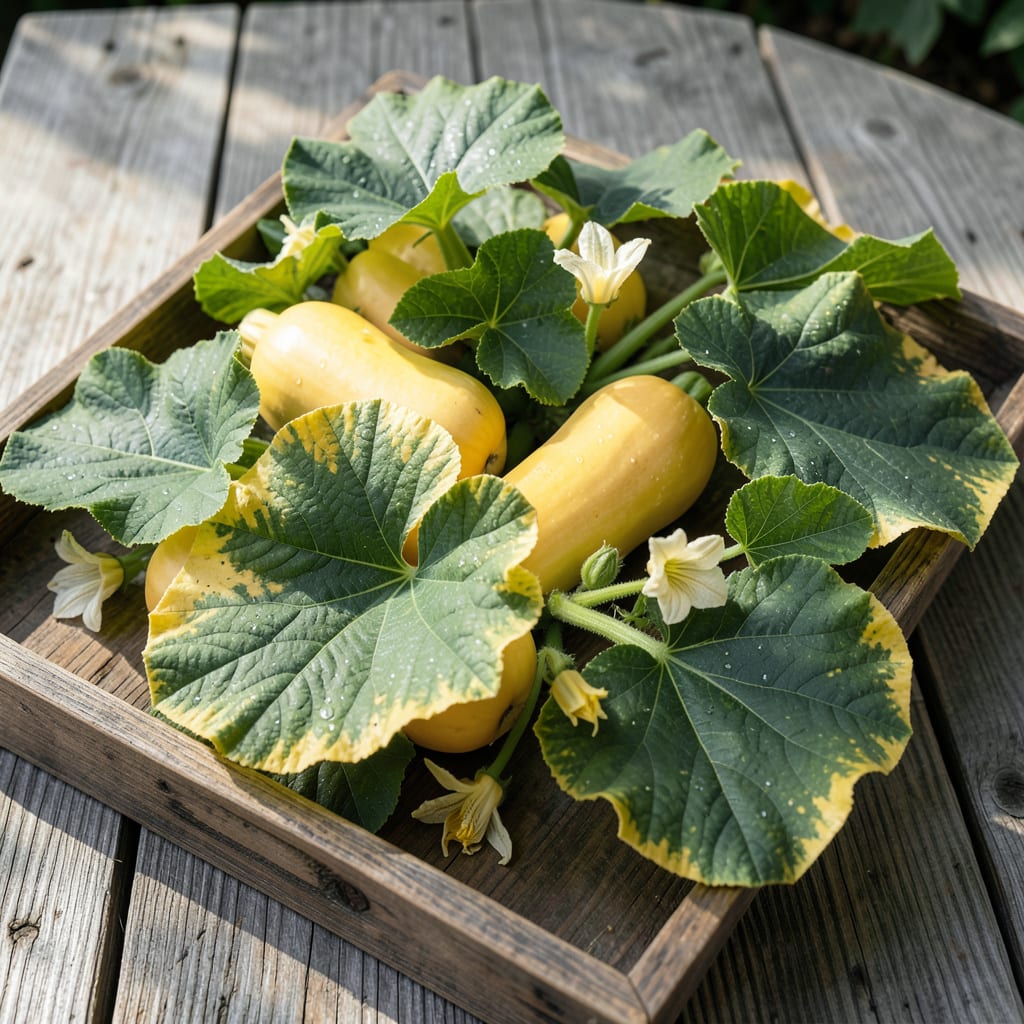
Yellow summer squash leaves are your plant’s SOS signal. I’ve seen this exact pattern every season—healthy green one day, pale and sad the next. The culprit is usually one of three things: water stress, hungry roots, or sneaky pests setting up camp.
Last year, I lost half my crop before figuring out the fix. Overwatering drowns roots just as fast as drought, while aphids can drain a plant in days. The solution starts with checking soil moisture at 2-inch depth and scanning leaf undersides for tiny invaders.
Once you address the root cause, new growth returns within 7-10 days. The key is acting fast—yellow leaves won’t recover, but the plant will push fresh ones if conditions improve. Your harvest depends on it.
Prevention is simpler than cure: consistent watering, balanced fertilizer, and weekly pest checks keep plants thriving all summer. No guesswork, just healthy squash.
Summer squash leaves turn yellow for several reasons, often tied to environmental stress, pests, or nutritional imbalances. Below are the most common causes, explained with actionable insights.
Excess moisture suffocates roots, reducing their ability to absorb oxygen and nutrients. This leads to chlorosis (yellowing) as chlorophyll production slows. Squash thrives in consistently moist but well-drained soil—soggy conditions also invite fungal diseases like Phytophthora.
Nitrogen deficiency is a top culprit: leaves yellow uniformly, starting with older growth. Magnesium deficiency causes interveinal chlorosis (yellowing between veins), while iron deficiency targets younger leaves. A balanced fertilizer (10-10-10) or soil test can confirm and correct imbalances.
Sap-sucking pests like aphids, spider mites, and whiteflies drain plant fluids, causing yellow stippling or mottling. Check leaf undersides for tiny insects or webbing. Neem oil or insecticidal soap can provide immediate control.
Pathogens like powdery mildew (white powder on leaves) or bacterial leaf spot (yellow halos around brown spots) disrupt photosynthesis. Improve airflow, avoid overhead watering, and apply copper fungicide preventatively.
Extreme heat (above 90°F) or sudden temperature drops can shock plants, triggering yellowing. Shade cloth during peak sun and consistent watering help mitigate stress.
When your summer squash leaves start turning yellow, quick action can save your plants. Below are targeted fixes for the most common causes, along with tips to keep your garden thriving.
If the soil feels soggy or water pools around the roots, cut back on watering. Let the top inch of soil dry out between waterings. For poor drainage, amend the soil with compost or sand to improve airflow. Prevention tip: Use raised beds or containers if your garden has heavy clay soil.
Yellow leaves often signal a lack of nitrogen, magnesium, or iron. Apply a balanced fertilizer (10-10-10) for general health, or use Epsom salt (1 tablespoon per gallon of water) for magnesium. For iron, try a foliar spray with chelated iron. Prevention tip: Test your soil annually and enrich it with organic matter before planting.
Check the undersides of leaves for aphids, spider mites, or squash bugs. Blast them off with a strong stream of water or apply insecticidal soap. For severe cases, use neem oil. Prevention tip: Encourage beneficial insects like ladybugs by planting companion flowers like marigolds.
Remove infected leaves immediately to prevent spread. Treat with a copper-based fungicide or a baking soda spray (1 teaspoon baking soda + 1 quart water + a drop of soap). Prevention tip: Avoid overhead watering and space plants properly for airflow.
Extreme heat or cold can shock plants. Use shade cloth during heatwaves and row covers for unexpected chills. Mulch around the base to regulate soil temperature. Prevention tip: Plant in a sunny but sheltered spot to minimize stress.
Act fast, and your summer squash will bounce back with lush, green leaves!
No, once leaves turn yellow they won’t recover. Focus on fixing the underlying issue so the plant can produce new, healthy growth within 7-10 days.
Water deeply 2-3 times per week, letting the top 1-2 inches of soil dry between waterings. More in extreme heat, less in cool weather.
Blast pests off with water first, then apply neem oil or insecticidal soap. Check undersides weekly to catch infestations early.
Yes, over-fertilizing can burn roots and trigger leaf yellowing. Use a balanced 10-10-10 formula and follow package rates precisely.
