
Beautiful Plants For Your Interior
Beautiful Plants For Your Interior
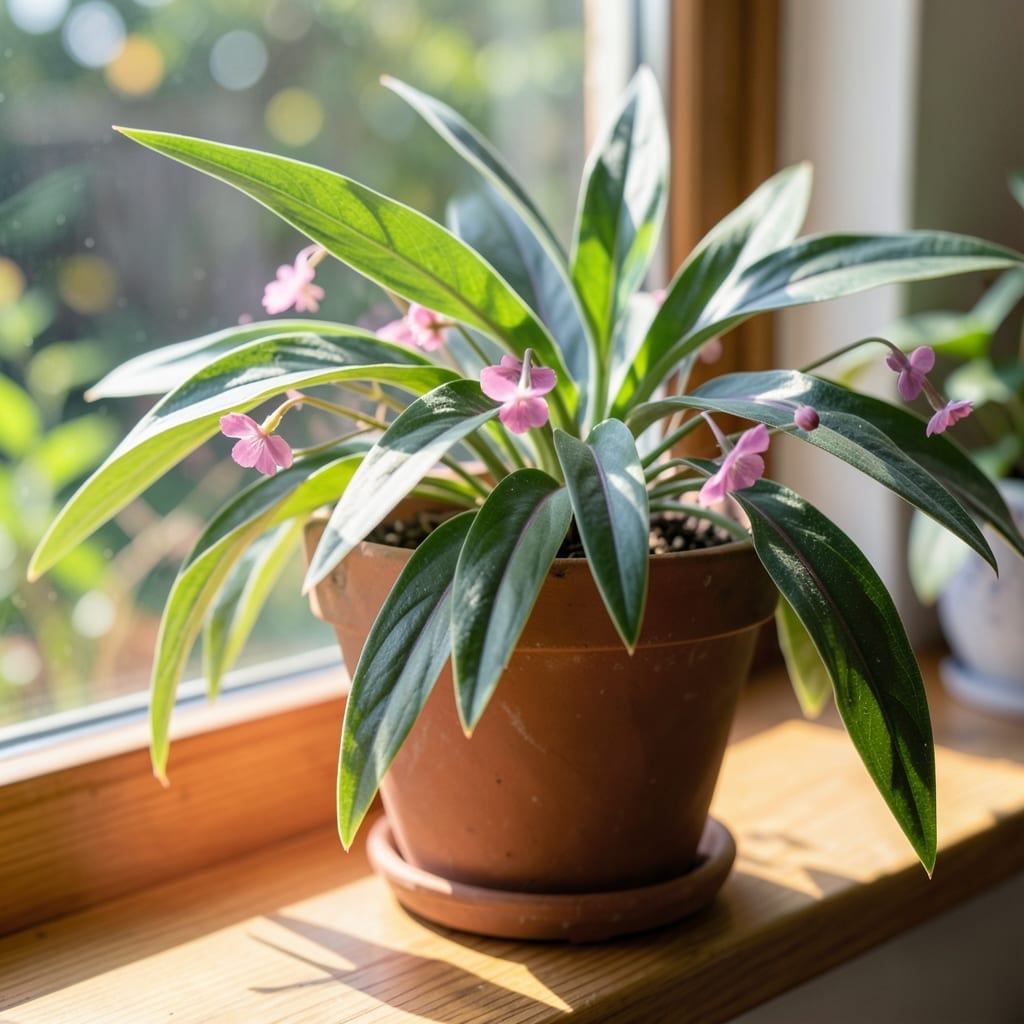
My purple heart plant lost its color overnight. The vibrant purple leaves turned a dull green, and I knew something was wrong with how it was growing.
Turns out, the issue is usually light or nutrients. These plants need bright, indirect sunlight to keep their signature purple hue. Without enough light, they revert to green as a survival tactic.
Check your plant’s location first. If it’s not getting at least 6 hours of good light daily, that’s likely the culprit. Nutrient deficiencies, especially nitrogen, can also cause this color shift.
Once you adjust the light or feed it properly, the purple should return within a few weeks. It’s a simple fix that brings back that stunning color you love.
The vibrant purple hues of a Tradescantia pallida (Purple Heart plant) can fade to green due to several environmental or care-related factors. Below are the most common causes, explained with actionable insights.
Purple Heart plants produce their signature color through anthocyanins, pigments activated by bright light. In low-light conditions, chlorophyll (the green pigment) dominates, masking the purple. Fix: Move the plant to a spot with 6+ hours of indirect sunlight daily or supplement with a grow light (12–14 hours/day).
A lack of phosphorus or excess nitrogen can shift the plant’s focus from pigment production to leafy growth. Phosphorus supports anthocyanin synthesis, while nitrogen promotes green foliage. Fix: Use a balanced, water-soluble fertilizer (e.g., 10-10-10 or 20-20-20) every 4–6 weeks during growing season, or switch to a bloom booster (higher phosphorus) if the soil is nitrogen-heavy.
Extreme heat or cold can disrupt pigment production. Purple Heart plants thrive in 60–80°F (15–27°C). Below 50°F (10°C), anthocyanin production slows, and leaves may revert to green. Fix: Keep the plant indoors near a warm window or away from drafts. Outdoors, ensure it’s in a sheltered, temperature-stable location.
Some Purple Heart plants carry a recessive green gene. If the plant is stressed or propagated from a green-stemmed cutting, it may revert. Fix: Prune green growth to encourage purple shoots, or propagate from a confirmed purple stem to maintain color.
If your purple heart plant is looking more green than vibrant purple, don’t worry—it’s usually an easy fix! Below are targeted solutions for the most common causes, along with prevention tips to keep your plant thriving.
Purple heart plants need bright, indirect light to maintain their signature color. If yours is in a dim corner, relocate it to a south- or west-facing window where it can soak up 6+ hours of sunlight daily. Pro tip: 💡 If natural light is limited, supplement with a grow light (12-14 hours/day). Rotate the plant weekly for even exposure.
A lack of phosphorus or nitrogen can dull the purple hues. Use a balanced liquid fertilizer (10-10-10 or 20-20-20) diluted to half strength every 4-6 weeks during growing season (spring to fall). Prevention: ✨ Avoid over-fertilizing—flush the soil with water every 2-3 months to prevent salt buildup.
Soggy soil stresses the plant and fades its color. Let the top 1-2 inches of soil dry out between waterings. Check moisture by sticking your finger in the soil—if it’s damp, wait. Prevention: 🌡️ Use a well-draining potting mix (add perlite or sand) and ensure the pot has drainage holes.
Purple hearts prefer temps between 60-85°F (15-29°C). If it’s too cold or drafty (e.g., near AC vents), the leaves may turn green. Move the plant to a stable, warm spot away from cold drafts. Prevention: 🎯 Keep it indoors if outdoor temps drop below 50°F (10°C).
With these adjustments, your plant should regain its stunning purple color in a few weeks. Consistency is key—monitor its response and tweak as needed!
With proper light and care, new growth should show purple in 2-4 weeks. Older green leaves may stay green, but fresh growth will display the vibrant color.
Yes! A grow light for 12-14 hours daily works well. Position it 6-12 inches above the plant for best results.
Check for nutrient imbalance or genetic reversion. Use a phosphorus-rich fertilizer and prune any green stems to encourage purple growth.