
Beautiful Plants For Your Interior
Beautiful Plants For Your Interior
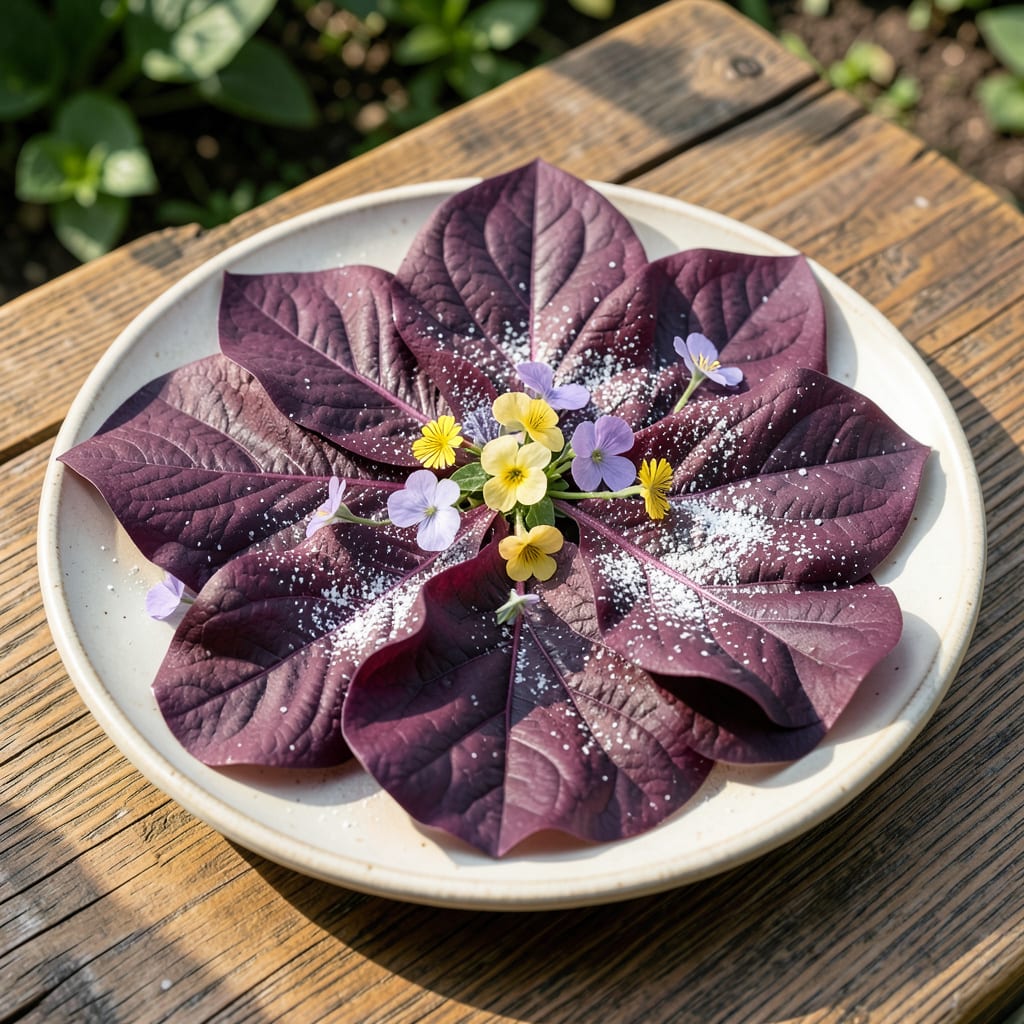
That first glimpse of deep purple trailing across my garden was a game-changer. The purple heart plant delivers year-round color with almost no effort, turning bland corners into stunning focal points.
I started with one small cutting in partial shade and now have a spreading carpet of jewel-toned leaves. It thrives in heat, handles drought like a champ, and actually gets more vibrant with a little stress from full sun.
You’ll get the richest purple when it gets 6+ hours of sunlight daily. The leaves develop that signature iridescent sheen that catches the light beautifully.
Perfect for borders, containers, or hanging baskets. This plant grows fast and asks for almost nothing in return.
The striking purple coloration in purple heart tree leaves (Tradescantia pallida) arises from a combination of genetic, environmental, and physiological factors. Below are the primary causes, explained in scientific terms.
The vibrant purple hue is due to anthocyanins, water-soluble pigments in the vacuoles of plant cells. These compounds are synthesized via the flavonoid pathway, activated by specific enzymes when the plant is exposed to bright light. Anthocyanins absorb green and yellow wavelengths, reflecting purple instead.
Intense sunlight triggers anthocyanin production as a photoprotective mechanism. Under full sun, the purple heart tree produces more pigments to shield its leaves from UV damage. In low light, the plant may revert to green, as chlorophyll (the green pigment) dominates without sufficient light to stimulate anthocyanins.
Cooler temperatures (especially below 60°F/15°C) can enhance purple coloration. This is another stress response—anthocyanins act as antioxidants, protecting cells from cold-induced oxidative damage. However, extreme cold can harm the plant, so balance is key.
Nutrient deficiencies (e.g., phosphorus) or mild drought stress can also boost anthocyanin levels. The plant prioritizes protective pigments over growth-related compounds. However, severe stress weakens the plant, so maintain consistent moisture and balanced fertilization for healthy purple foliage.
If your purple heart plant’s leaves are looking less than vibrant, don’t worry—most problems are fixable with a few simple tweaks. Below are the most common issues and their solutions, so you can restore that stunning Setcreasia pallida color in no time.
Too much direct sunlight or overwatering can turn leaves yellow. Move your plant to a spot with bright, indirect light (4–6 hours daily) and let the soil dry slightly between waterings. Use well-draining soil to prevent root rot.
Prevention tip: 💡 Stick to a consistent watering schedule—only water when the top inch of soil feels dry.
Underwatering or sudden temperature drops can cause limp leaves. Give the plant a deep drink, ensuring water reaches the roots, and keep it away from cold drafts. If the soil is bone-dry, soak the pot in a tray of water for 10 minutes.
Prevention tip: 🌡️ Maintain room temperatures between 60–80°F (15–27°C) and avoid placing it near AC vents or heaters.
Spider mites or mealybugs love dry conditions. Wipe leaves with a damp cloth or spray them with a mix of water and mild soap (1 tsp per quart). For stubborn pests, use neem oil (follow package instructions).
Prevention tip: ✨ Mist leaves regularly to increase humidity and deter pests. Inspect new plants before bringing them indoors.
If stems stretch out with sparse leaves, the plant needs more light or a trim. Pinch back leggy stems to encourage bushier growth, and repot if the roots are crowded. A balanced, diluted fertilizer every 4–6 weeks in spring/summer also helps.
Prevention tip: 🎯 Rotate the pot weekly so all sides get even light, promoting symmetrical growth.
Low light is the most common culprit. Without enough sun, chlorophyll dominates. Move your plant to a spot with 6+ hours of bright, direct light daily to restore that rich purple hue.
Water when the top 1-2 inches of soil feel dry. It’s drought-tolerant, so it’s better to underwater than overwater. In hot weather, this might mean watering every 5-7 days.
Yes, but place it near a south-facing window for maximum light. supplement with a grow light for 12-14 hours daily if natural light is insufficient. The more light, the more vibrant the color.
Use well-draining potting mix with added perlite or sand. This prevents root rot and helps maintain the plant’s preferred slightly dry conditions for the most intense purple coloration.
