
Beautiful Plants For Your Interior
Beautiful Plants For Your Interior
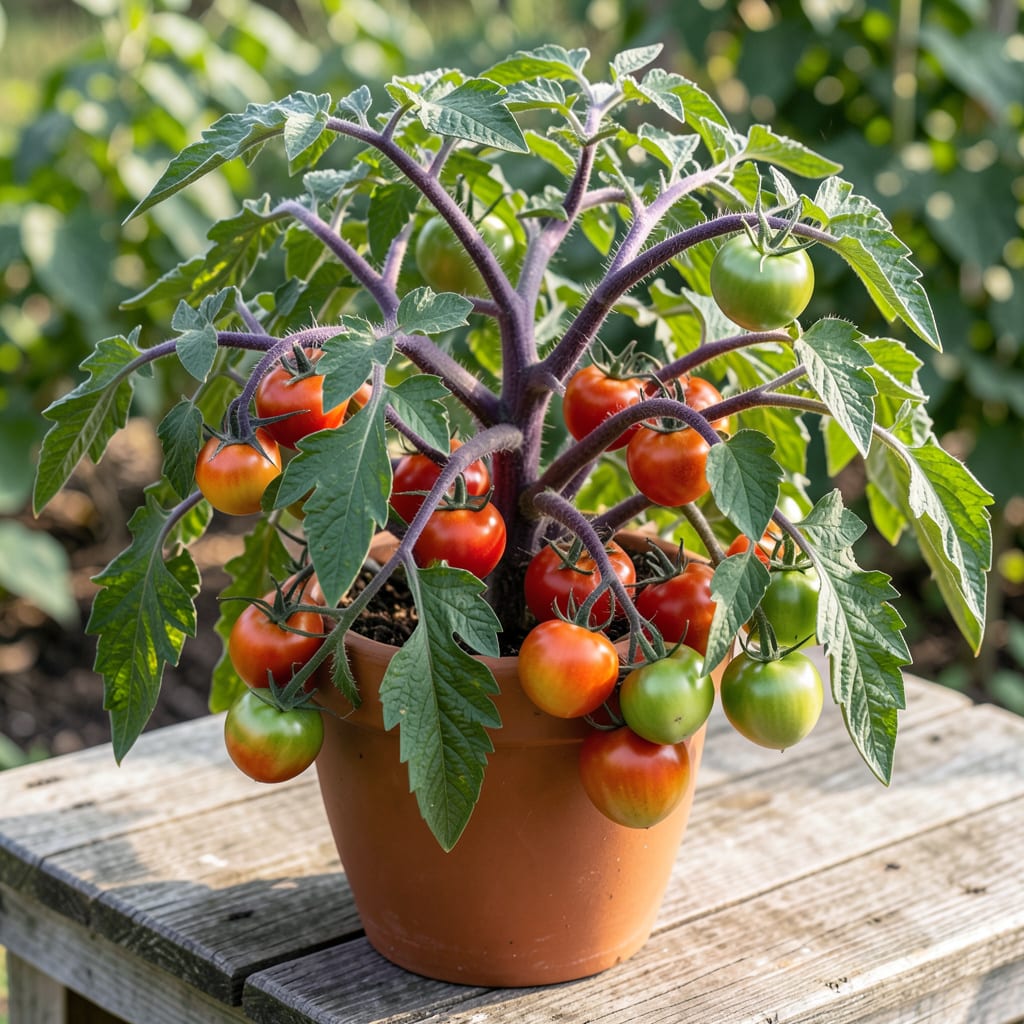
First time I saw purple tomato stems, I panicked—turns out it’s often a simple fix. Cold snaps or hungry soil usually trigger this color change, and your plants are begging for a little intervention.
Most cases trace back to phosphorus deficiency or chilly nights. The stems darken first, then leaves might follow. I’ve rescued bushes with a warm-up and a phosphorous boost, and they bounce back faster than you’d expect.
You’ll see normal green return within 7-10 days of the right treatment. The key is catching it early before growth stalls or yields drop.
Works for container plants too—just adjust your approach for pot size and soil volume.
Tomato stems turning purple often signal an underlying issue with your plant’s health. Here are the most common causes, explained simply:
When soil lacks phosphorus, tomatoes struggle to produce energy, leading to purple stems and leaf undersides. This nutrient is vital for root development and flowering. Cold soil (below 55°F/13°C) can also lock phosphorus out, worsening the problem.
Chilly temperatures slow nutrient uptake, especially phosphorus. Even well-fertilized plants may show purple stems if exposed to prolonged cold. Protect seedlings with row covers or transplant after the last frost.
Soggy soil suffocates roots, reducing their ability to absorb phosphorus. Ensure your tomato beds have good drainage, and water only when the top inch of soil feels dry.
Tomatoes thrive in slightly acidic soil (pH 6.0–6.8). If the pH is too high or low, phosphorus becomes less available. Test your soil and amend with lime (to raise pH) or sulfur (to lower it) as needed.
Addressing these issues early can restore your plant’s vibrant green color and boost its productivity.
Here’s how to tackle each cause and restore your plants to vibrant health:
No, with proper care, green color returns within 7-10 days. Fix the root cause and monitor new growth for improvement.
Yes, temperatures below 55°F slow phosphorus uptake. Use row covers or delay planting until warmer weather arrives.
Apply bone meal or a 10-10-10 fertilizer and water deeply. Avoid over-fertilizing, which can harm plants.
If untreated, yes. Purple stems indicate stress that may reduce yields. Act quickly to restore plant health.
