
Beautiful Plants For Your Interior
Beautiful Plants For Your Interior
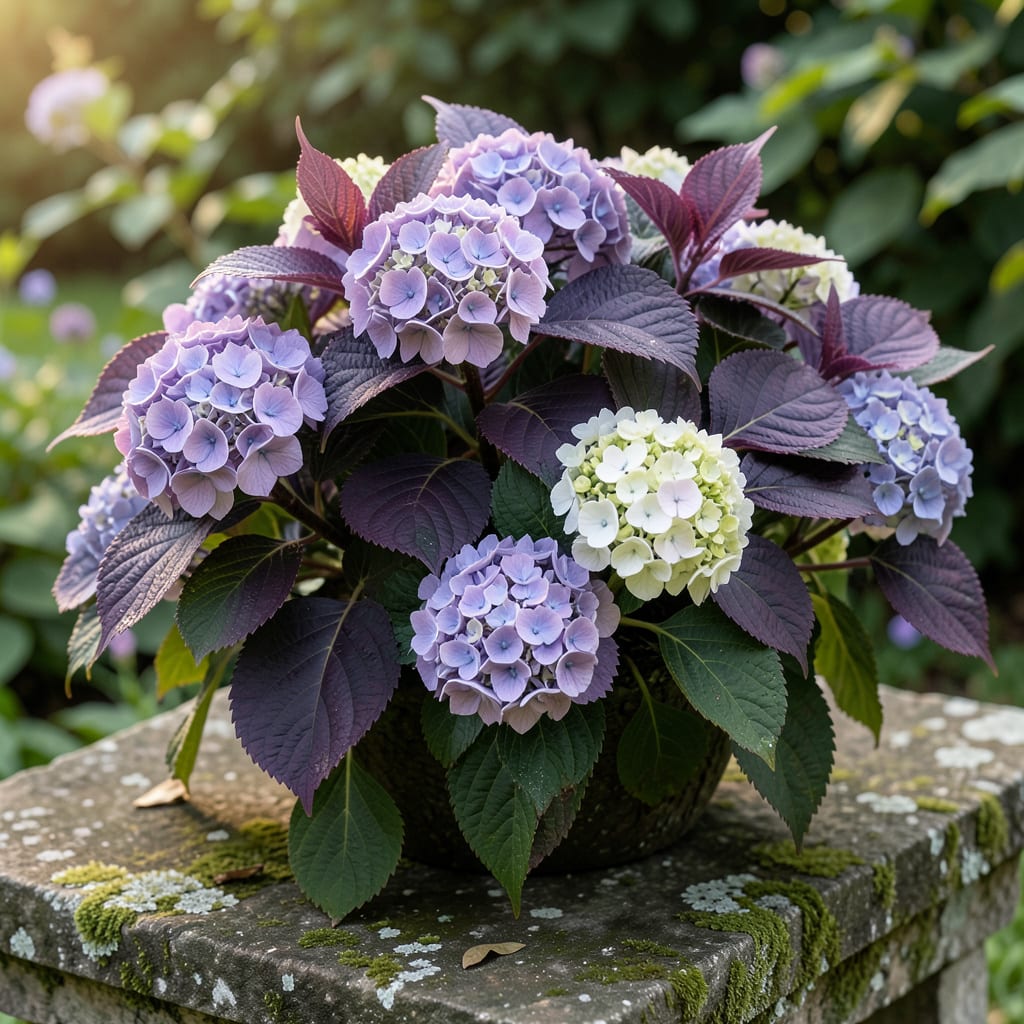
Purple leaves on hydrangeas caught me off guard last spring. 🌱 Turns out, it’s often a sign of phosphorus deficiency or soil pH issues, not just a pretty color change.
I dug into the science—too much acidity can lock out nutrients, while alkaline soil does the same. The fix isn’t complicated: test your soil, adjust with amendments, and watch for quick improvements in leaf color.
This isn’t just about looks. Healthy green leaves mean stronger plants and better blooms. A simple soil test kit gives you the answers in minutes.
Prevention is easier than correction. Regular feeding and consistent watering keep your hydrangeas thriving, not just surviving.
Purple leaves on hydrangeas often signal an underlying issue, usually tied to soil conditions or nutrient imbalances. Here’s a breakdown of the most common causes:
Hydrangeas are highly sensitive to soil pH. While Hydrangea macrophylla (bigleaf hydrangea) typically produces blue flowers in acidic soil (pH 5.0–5.5) and pink in alkaline soil (pH 6.5–7.0), extreme pH levels can disrupt nutrient uptake. When soil becomes too acidic (below pH 5.0), phosphorus—a key nutrient for healthy foliage—becomes less available. This can lead to purpling, particularly in younger leaves. Test your soil with a kit to confirm the pH level.
A lack of phosphorus directly contributes to purple leaves, especially on the undersides or along veins. This nutrient is critical for energy transfer and root development. If your soil test reveals low phosphorus (below 25 ppm), incorporate a balanced, slow-release fertilizer (e.g., 10-10-10) or bone meal to restore levels. Avoid over-fertilizing with nitrogen, as it can exacerbate phosphorus uptake issues.
Sudden temperature drops or prolonged exposure to near-freezing conditions can trigger anthocyanin production—the pigment responsible for purple hues in leaves. Hydrangeas are particularly vulnerable in early spring or late fall. To mitigate this, mulch heavily around the base in late autumn and consider frost cloth for tender varieties.
Root stress from waterlogged soil restricts oxygen uptake, leading to nutrient deficiencies that manifest as purple foliage. Ensure your hydrangea is planted in well-draining soil and water only when the top inch of soil feels dry. If drainage is poor, amend the soil with compost or create raised beds.
If your hydrangea’s leaves are turning purple, the issue is often tied to soil conditions or nutrient imbalances. Here’s how to diagnose and correct each cause:
Hydrangeas prefer slightly acidic to neutral soil (pH 6.0–7.0). If the soil is too alkaline (pH above 7.0), phosphorus and iron become less available, leading to purple discoloration. Test your soil with a kit, then amend it:
Prevention tip: 💡 Retest soil pH annually and adjust as needed to maintain the ideal range.
Purple leaves can signal a lack of phosphorus (P) or magnesium (Mg).
Prevention tip: 🌱 Feed hydrangeas with a hydrangea-specific fertilizer in early spring and mid-summer to avoid imbalances.
Inconsistent watering can stress the plant, reducing nutrient uptake. Water deeply 1–2 times per week, ensuring the soil stays moist but not soggy. Mulch with organic matter (e.g., bark or compost) to retain moisture and regulate soil temperature.
Prevention tip: 💧 Use a soil moisture meter to monitor hydration levels and avoid over- or under-watering.
Extreme temperatures or poor drainage can also cause purple leaves. Shield plants from harsh afternoon sun with shade cloth, and ensure pots have drainage holes to prevent root rot. If growing in containers, repot every 2–3 years with fresh, well-draining soil.
Prevention tip: 🌡️ Move potted hydrangeas to a cooler, shaded spot during heatwaves.
Use a soil pH test kit from any garden center. Collect samples from 4-6 inches deep near the plant, mix with distilled water, and compare the color to the kit’s chart. Results appear in minutes.
Yes, but sparingly. Coffee grounds add acidity gradually, but too much can over-acidify soil. Mix 1 cup into the topsoil monthly and retest pH after 2-3 months.
Yes, if the cause is nutrient-related. New growth should appear green within 2-4 weeks of correcting soil pH or adding fertilizer. Damaged leaves may not recover fully.
No, heat stress can too. Hydrangeas in extreme heat may develop purple tinges. Provide afternoon shade and ensure consistent watering during hot spells.
