
Beautiful Plants For Your Interior
Beautiful Plants For Your Interior
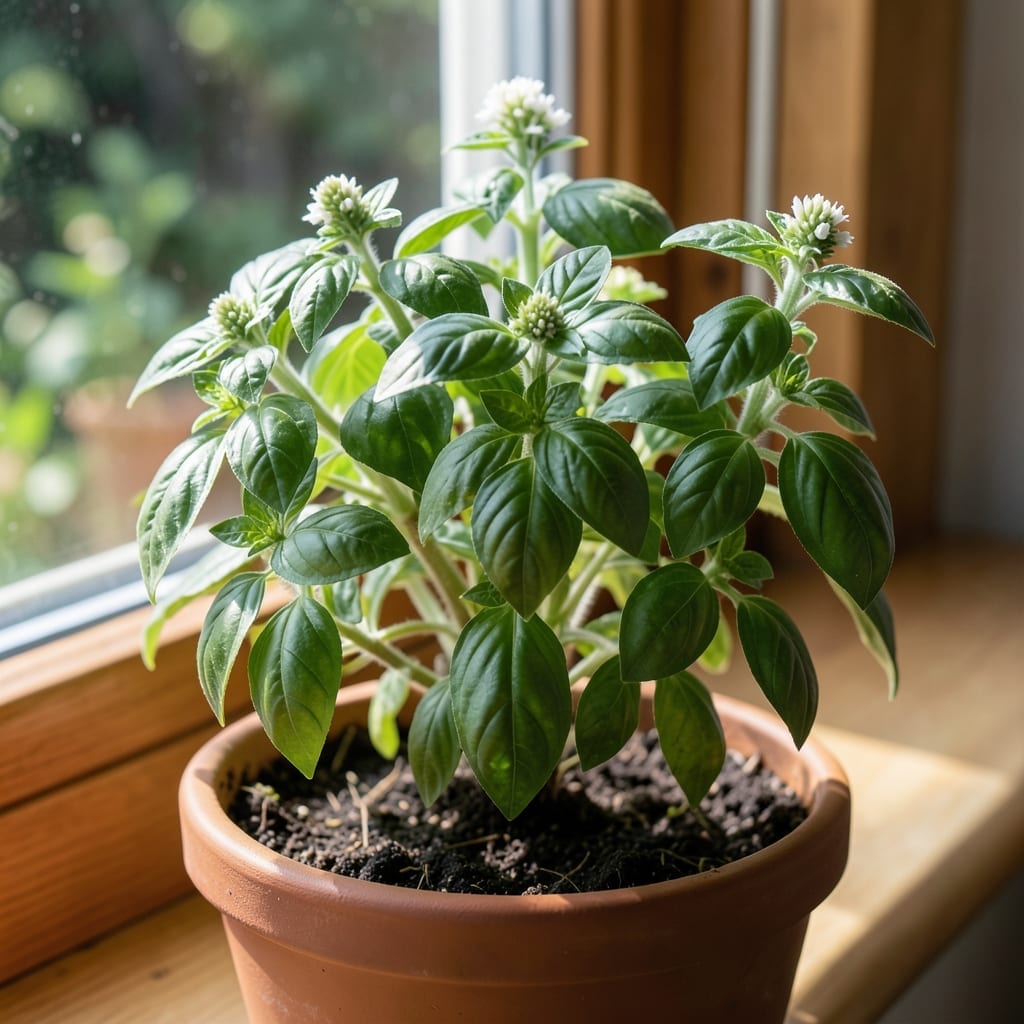
Nothing stings like watching your basil droop when it was thriving yesterday. I’ve lost count of how many plants I’ve revived after catching the first sign of trouble.
More often than not, it’s too much water or too little light. Basil hates soggy roots, and a sunny windowsill isn’t always enough. A quick finger test in the soil and a shift to brighter light usually does the trick.
Within 24-48 hours, you’ll see leaves perking up if you’ve fixed the issue. The key is acting fast before the stems turn soft and the damage becomes permanent.
Works for potted plants, garden beds, or window boxes. Here’s how to diagnose and fix it before it’s too late.
Basil plants wilt when their basic needs aren’t met. Here are the most common causes, explained simply:
Too much water suffocates the roots, preventing them from absorbing oxygen. This leads to root rot, a fungal infection that destroys root health. Basil thrives in moist—but not soggy—soil. If the pot lacks drainage holes or the soil stays waterlogged, wilting is inevitable.
Basil needs 6–8 hours of sunlight daily. Too little light weakens the plant, causing droopy leaves. Conversely, intense afternoon sun (especially in hot climates) can scorch leaves, leading to wilting as the plant struggles to retain moisture.
Basil is sensitive to cold. Temperatures below 50°F (10°C) slow its growth and trigger wilting. Similarly, extreme heat (above 90°F/32°C) can cause heat stress, making leaves limp as the plant loses water faster than it can absorb it.
While overwatering is a common issue, dry soil is equally harmful. Basil prefers consistent moisture. If the soil dries out completely, the plant wilts to conserve water. Low humidity (common indoors) can also accelerate moisture loss through the leaves.
Pests like aphids or whiteflies sap the plant’s nutrients, weakening it. Fungal diseases (e.g., Fusarium wilt) block water uptake in the stems, causing sudden wilting even if the soil is damp.
If your basil is drooping, don’t panic—it often bounces back with the right care. Below are targeted fixes for the most common causes, plus prevention tips to keep your plant thriving. Act quickly for the best results!
If the soil feels soggy or smells musty, stop watering immediately. Remove the plant from its pot and check the roots: if they’re brown and mushy, trim the affected parts. Repot in fresh, well-draining soil and a container with drainage holes. Prevention tip: 💡 Water only when the top inch of soil is dry, and always empty the saucer after watering.
Basil loves sun, but intense afternoon heat can scorch leaves and cause wilting. Move potted plants to a spot with morning sun and afternoon shade, or use a sheer curtain to filter light. For garden plants, temporarily cover them with a light fabric during peak heat. Prevention tip: ✨ Aim for 6–8 hours of gentle sunlight daily.
Dry, crumbly soil and crispy leaves signal thirst. Give your basil a deep drink until water runs out the drainage holes, then let excess drain. For severe cases, submerge the pot in a basin of water for 10–15 minutes. Prevention tip: 🌡️ Check soil moisture every 2–3 days in hot weather—basil dries out fast!
If roots are circling the pot or poking out of drainage holes, your basil is root-bound. Transplant it to a container 2 inches wider with fresh potting mix. Gently loosen the roots before repotting to encourage new growth. Prevention tip: 🎯 Repot every 6–8 weeks during growing season.
Inspect leaves and stems for aphids, spider mites, or fungal spots. Spray with a mild soap-water solution (1 tsp dish soap per quart of water) for pests. For fungal issues, remove affected leaves and improve airflow. Prevention tip: ✨ Avoid wetting leaves when watering to prevent disease.
Water when the top 1 inch of soil feels dry. In hot weather, this may mean watering every 2-3 days. Always use pots with drainage holes to prevent soggy soil.
Yes, if you correct the issue quickly. Proper watering or moving to shade can show improvement within 24-48 hours. Severely damaged roots or stems may take longer.
Transplant shock is common. Roots need time to adjust to new soil. Keep it in indirect light and maintain consistent moisture for 3-5 days after repotting.
Yellow leaves often indicate overwatering or poor drainage. Check roots for brown, mushy spots and repot in fresh soil if needed. This is different from temporary drooping.