
Beautiful Plants For Your Interior
Beautiful Plants For Your Interior
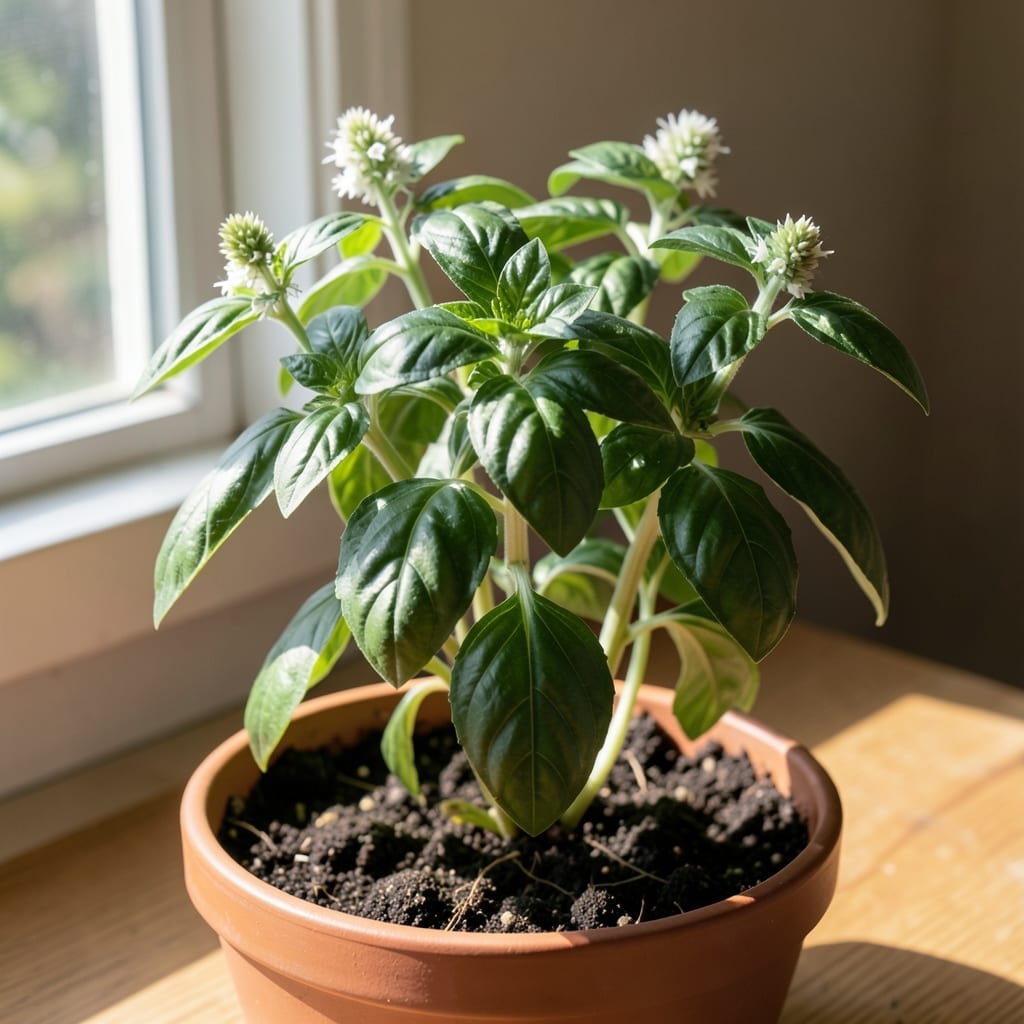
Wilted basil leaves are a garden’s cry for help. I’ve watched my own plants go from perky to pathetic in 24 hours, and the fix is usually simpler than you think.
Most drooping comes down to water issues—either too much or too little. Basil hates soggy roots but wilts fast when thirsty. Check the soil first: dry means drink, damp means wait.
Light plays a sneaky role too. Leggy stems stretching toward the window? That’s your plant begging for more sun. A south-facing spot or grow light can turn things around in days.
Once you nail the basics, your basil will bounce back with leaves so fragrant they’ll make your kitchen smell like summer. Here’s how to diagnose the problem fast.
Basil plants droop for several common reasons, often tied to environmental stress or improper care. Here’s a breakdown of the most frequent culprits:
Excess water suffocates the roots, preventing them from absorbing oxygen. This leads to root rot, where roots turn mushy and brown. Basil thrives in moist but well-draining soil—soggy conditions force the plant to droop as it struggles to uptake nutrients. Always check the top inch of soil: if it’s dry, it’s time to water.
Basil needs 6–8 hours of sunlight daily. Too little light weakens the plant, causing leggy growth and drooping leaves as it stretches for rays. Conversely, intense midday sun (especially in hot climates) can scorch leaves, prompting wilting. A south-facing window or dappled shade outdoors often strikes the right balance.
Basil is sensitive to cold drafts (below 50°F/10°C) and low humidity. Sudden temperature drops or dry air (common indoors with heating/AC) can cause leaves to wilt. Aim for 70–85°F (21–29°C) and group plants together to boost humidity, or use a pebble tray with water.
Yellowing leaves with drooping often signal a nitrogen deficiency, while crispy, brown edges may indicate fertilizer burn. Basil prefers light, regular feeding—use a balanced, water-soluble fertilizer (10-10-10) diluted to half-strength every 2–4 weeks during growth.
Address these issues promptly, and your basil should perk up within days!
Revive your sad basil with these targeted fixes for the most common issues. Address the root cause, and your plant will perk up in no time!
If soggy soil is the culprit, stop watering immediately. Gently remove the plant from its pot and check the roots—trim any dark, mushy ones with clean scissors. Repot in fresh, well-draining soil and a container with drainage holes. Prevention tip: 💡 Water only when the top 1-2 inches of soil feel dry, and empty saucers after 30 minutes to avoid root rot.
Crispy, dry soil? Give your basil a deep drink until water runs out the drainage holes. For potted plants, submerge the container in a basin of water for 10–15 minutes, then let it drain. Prevention tip: ✨ Stick to a consistent schedule—basil likes moisture but not drowning. Mulch the soil to retain humidity.
Leggy, weak stems? Your basil needs 6–8 hours of sunlight daily. Move it to a south-facing window or supplement with a grow light (12–14 hours/day). Rotate the pot weekly for even growth. Prevention tip: 🎯 If growing indoors, choose a spot with bright, indirect light and avoid drafty areas.
Basil wilts in cold drafts or extreme heat. Keep it in a warm spot (70–85°F) away from AC vents or heaters. If outdoors, bring it inside if nights drop below 50°F. Prevention tip: 🌡️ Use a thermometer to monitor conditions, and avoid sudden temperature swings.
Yellowing leaves or stunted growth? Mix a balanced, water-soluble fertilizer (10-10-10) at half strength every 4–6 weeks. Over-fertilizing can burn roots, so less is more. Prevention tip: 🌱 Refresh potted soil every spring to replenish nutrients.
Water when the top 1-2 inches of soil feel dry. In hot weather, this may be daily; in cooler conditions, every 2-3 days. Always use pots with drainage holes to prevent root rot.
Yellow leaves often signal overwatering or nutrient deficiency. Check soil moisture first—if soggy, let it dry out. If soil is fine, try a light balanced fertilizer at half strength.
Yes! Trim dead leaves, check roots for rot, and soak the pot in water for 10-15 minutes. Move to bright, indirect light and maintain 70-85°F. Most plants recover within 24-48 hours.
A south-facing window with 6-8 hours of sunlight is ideal. No sunny spot? Use a grow light for 12-14 hours daily. Avoid drafts from AC or heaters.