
Beautiful Plants For Your Interior
Beautiful Plants For Your Interior
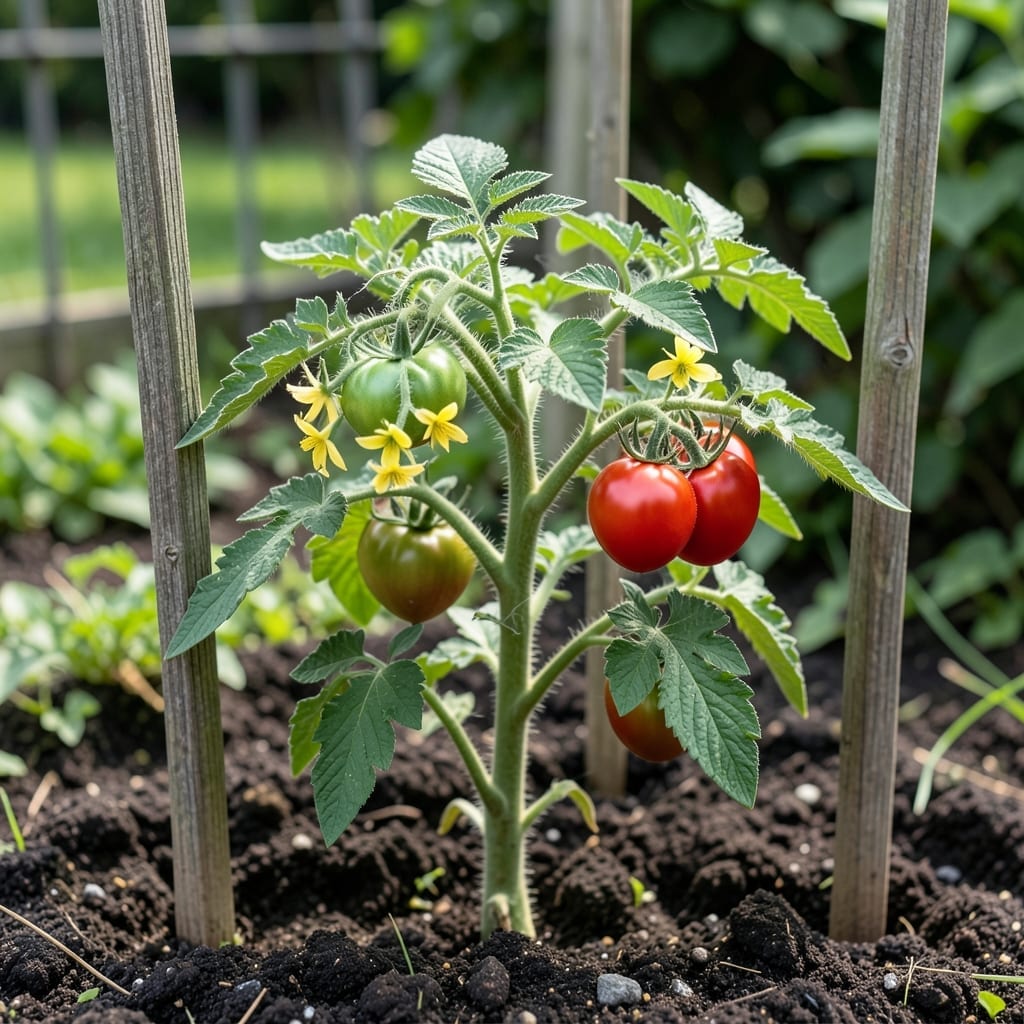
There’s nothing worse than checking on your tomatoes and finding them drooping like they’ve given up. I’ve been there more times than I’d like to admit, staring at sad, wilted leaves and wondering what went wrong overnight.
Here’s the thing—wilting isn’t always a death sentence. Sometimes it’s as simple as thirsty roots, other times it’s a sneaky pest or disease working behind the scenes. The key is figuring out which one it is before it’s too late.
I’ll be real with you: the fix is usually easier than you think. A quick soil check, a closer look at the leaves, or even just adjusting your watering routine can bring them back to life within 24-48 hours.
Works for container plants, in-ground gardens, and even those finicky heirlooms. Let’s get to the bottom of it.
Tomato plants can wilt for several reasons, often tied to environmental stress, pests, or diseases. Understanding the root cause is key to reviving your plants. Below are the most common culprits:
Tomatoes are 90% water, and extreme heat or inconsistent watering disrupts their ability to absorb moisture. High temperatures (above 90°F/32°C) accelerate transpiration, causing leaves to droop as the plant conserves water. Meanwhile, overwatering suffocates roots, while underwatering leaves them parched. Solution: Water deeply at the base in the early morning and use mulch to retain soil moisture.
Nematodes, whiteflies, or aphids damage roots or stems, impairing water and nutrient uptake. Check for yellowing leaves, stunted growth, or visible pests under leaves. Solution: Introduce beneficial insects like ladybugs or apply neem oil. For severe infestations, remove and destroy affected plants to prevent spread.
Pathogens like Fusarium wilt or Verticillium wilt block the plant’s vascular system, leading to sudden wilting, often starting with lower leaves. Bacterial wilt (Ralstonia solanacearum) causes rapid collapse. Solution: Remove infected plants immediately, avoid overhead watering, and rotate crops next season. Use disease-resistant tomato varieties like ‘Celebrity’ or ‘Better Boy’.
Compacted or nutrient-poor soil restricts root growth, while excessive salt from fertilizers can burn roots. A pH imbalance (ideal range: 6.0–6.8) also hampers nutrient absorption. Solution: Test soil with a kit, amend with compost, and avoid over-fertilizing. Loosen soil gently around roots to improve aeration.
Tomato plants can wilt for several reasons, but the good news is most issues are fixable with the right approach. Below are practical solutions for the most common causes, along with prevention tips to keep your plants thriving.
If dry soil is the culprit, give your plants a deep watering at the base (not the leaves) to encourage strong root growth. Water slowly so the moisture reaches at least 6 inches down. Prevention tip: 💡 Use a moisture meter or stick your finger in the soil—water when the top 1-2 inches feel dry. Mulch around the base to retain moisture.
Stop watering immediately and let the soil dry out. If the roots are soggy, gently loosen the soil to help them breathe. For potted plants, ensure the container has drainage holes. Prevention tip: 🌡️ Water only when the top inch of soil is dry, and use well-draining soil mixes with perlite or compost.
Check under leaves for aphids, whiteflies, or hornworms. Blast them off with a strong stream of water or apply neem oil or insecticidal soap. For severe infestations, remove heavily affected leaves. Prevention tip: ✨ Encourage beneficial insects like ladybugs, and rotate crops yearly to disrupt pest cycles.
For fungal issues like early blight, remove infected leaves and avoid overhead watering. Apply a copper-based fungicide if needed. Bacterial wilt requires removing the entire plant to prevent spread. Prevention tip: 🎯 Space plants properly for airflow, and sterilize tools between uses.
During extreme heat, provide temporary shade (e.g., shade cloth) and water deeply in the early morning. Prevention tip: 🔥 Mulch heavily to keep roots cool, and choose heat-tolerant tomato varieties for hot climates.
Yellowing leaves may signal a lack of nitrogen or potassium. Use a balanced fertilizer (like 10-10-10) or compost tea. For calcium deficiency (blossom end rot), add crushed eggshells or calcium-rich amendments. Prevention tip: 🌿 Test soil annually and amend as needed before planting.
Water deeply at the base every 2-3 days in hot weather. Check soil moisture by sticking your finger 1-2 inches deep—water only if dry. Avoid overhead watering to prevent disease.
Yes, if the cause is temporary like heat stress or thirst. Proper watering and cooling temps can revive them within 12-24 hours. Prolonged wilting may indicate pests or disease.
Early morning is ideal—it reduces evaporation and lets foliage dry before evening. Avoid watering at night, which can promote fungal growth.
Look for spots on leaves, dark streaks on stems, or sudden collapse. Fungal diseases often start with lower leaves. Remove infected parts immediately.