
Beautiful Plants For Your Interior
Beautiful Plants For Your Interior
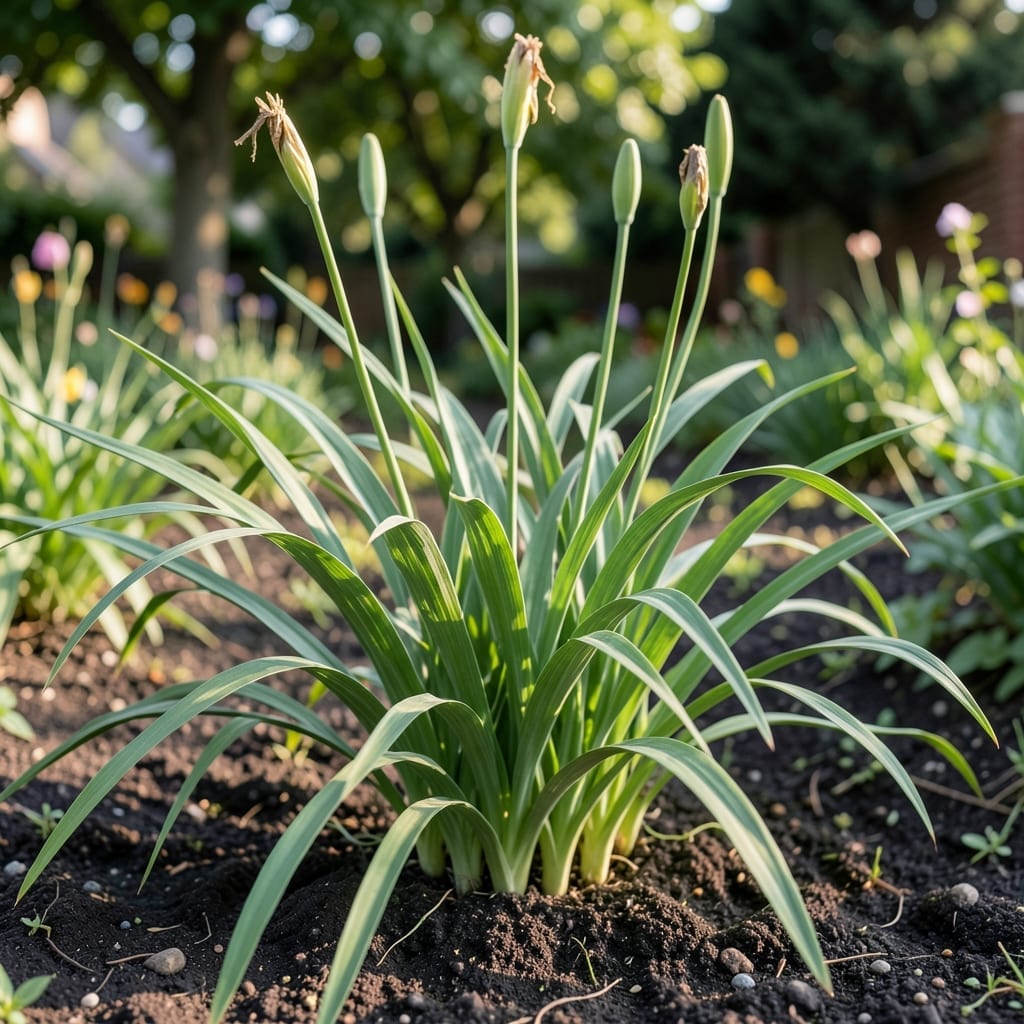
I’ve stood in my garden more times than I’d like to admit, staring at leafy daylilies with zero flowers. The frustration is real when you expect vibrant blooms and get nothing but green.
Here’s the thing—daylilies are tough, but they won’t bloom without the right conditions. Most often, it’s too much shade or the wrong fertilizer balance. I’ve fixed both in my own beds with simple adjustments.
You’ll see the first buds within 4-6 weeks of correcting these issues. The plants reward you with waves of color that keep coming back, year after year.
This works for established clumps or new plantings. Let’s troubleshoot what your plants are missing.
Daylilies are hardy perennials, but even they can fail to bloom when their basic needs aren’t met. The most common causes stem from environmental, nutritional, or cultural issues. Here’s a breakdown of the science behind each:
Daylilies require 6–8 hours of direct sunlight daily to trigger blooming. In shade, they focus on foliage growth instead of flower production. Photosynthesis (the process where plants convert light into energy) is less efficient in low light, reducing the energy available for bud formation. Hemerocallis varieties, especially modern hybrids, are bred for full-sun conditions.
Too much water can rot the roots, while too little stresses the plant, diverting energy from blooming to survival. Daylilies thrive in well-draining soil with consistent moisture. Drought stress triggers a survival response, halting flower development to conserve water. Conversely, waterlogged roots suffocate, preventing nutrient uptake essential for blooming.
Excess nitrogen promotes leafy growth at the expense of flowers. Daylilies need a balanced fertilizer (e.g., 10-10-10) or one slightly higher in phosphorus (the middle number) to encourage blooming. Phosphorus supports root and flower development, while potassium aids overall health. A soil test can reveal deficiencies or excesses affecting your plants.
Daylilies planted in late fall may not establish roots before winter, delaying spring blooms. Shallow planting exposes roots to temperature fluctuations, stressing the plant. Plant crowns 1–2 inches deep in early spring or fall to allow root systems to develop fully before the growing season.
When daylilies become overcrowded, they compete for resources, reducing blooms. Divide clumps every 3–5 years to rejuvenate them. Additionally, cutting back foliage too aggressively after blooming can remove stored energy needed for next year’s flowers. Leave foliage intact until it yellows naturally.
If your daylilies aren’t blooming, don’t worry—there are clear fixes for each common cause. Below are practical solutions to bring your plants back to vibrant life.
Daylilies need 6+ hours of direct sunlight daily. If your plants are in shade, relocate them to a sunnier spot or trim nearby trees/bushes blocking light. In hot climates, afternoon shade is fine, but morning sun is a must.
Prevention tip: 💡 Plant new daylilies in well-lit areas from the start, avoiding north-facing or heavily shaded beds.
Amend the soil with compost or aged manure to improve fertility. Use a balanced fertilizer (10-10-10) in early spring, but avoid over-fertilizing with nitrogen, which promotes leaves over flowers. A phosphorus boost (like bone meal) can encourage blooming.
Prevention tip: 🌿 Test your soil every 2–3 years and replenish nutrients as needed.
Daylilies thrive when divided every 3–5 years. If clumps are dense, dig them up, separate the roots, and replant the healthiest sections. This rejuvenates the plants and restores flowering.
Prevention tip: ✨ Mark your calendar to divide clumps in early spring or fall for consistent blooms.
Inconsistent watering—too much or too little—can stall blooming. Keep soil moist but not soggy, especially during bud formation. Mulch around plants to retain moisture and reduce stress.
Prevention tip: 💦 Water deeply 1–2 times per week (more in extreme heat) to encourage strong roots.
Protect young shoots from late frosts with frost cloth or mulch. If summer heat is extreme, provide afternoon shade and extra water to prevent bud drop.
Prevention tip: 🎯 Plant daylilies after the last frost date for your zone, and choose heat-tolerant varieties if needed.
Daylilies require 6–8 hours of direct sunlight daily for optimal flowering. Less than this often results in lush foliage but no blooms.
Yes, excessive nitrogen encourages leaf growth at the expense of flowers. Use a balanced fertilizer (10-10-10) or one higher in phosphorus to promote blooming.
Divide overcrowded clumps every 3–5 years in early spring or fall. This rejuvenates the plants and restores flowering.
Keep soil moist but well-drained. Water deeply 1–2 times per week, more in extreme heat, to avoid stress that stalls blooming.