
Beautiful Plants For Your Interior
Beautiful Plants For Your Interior
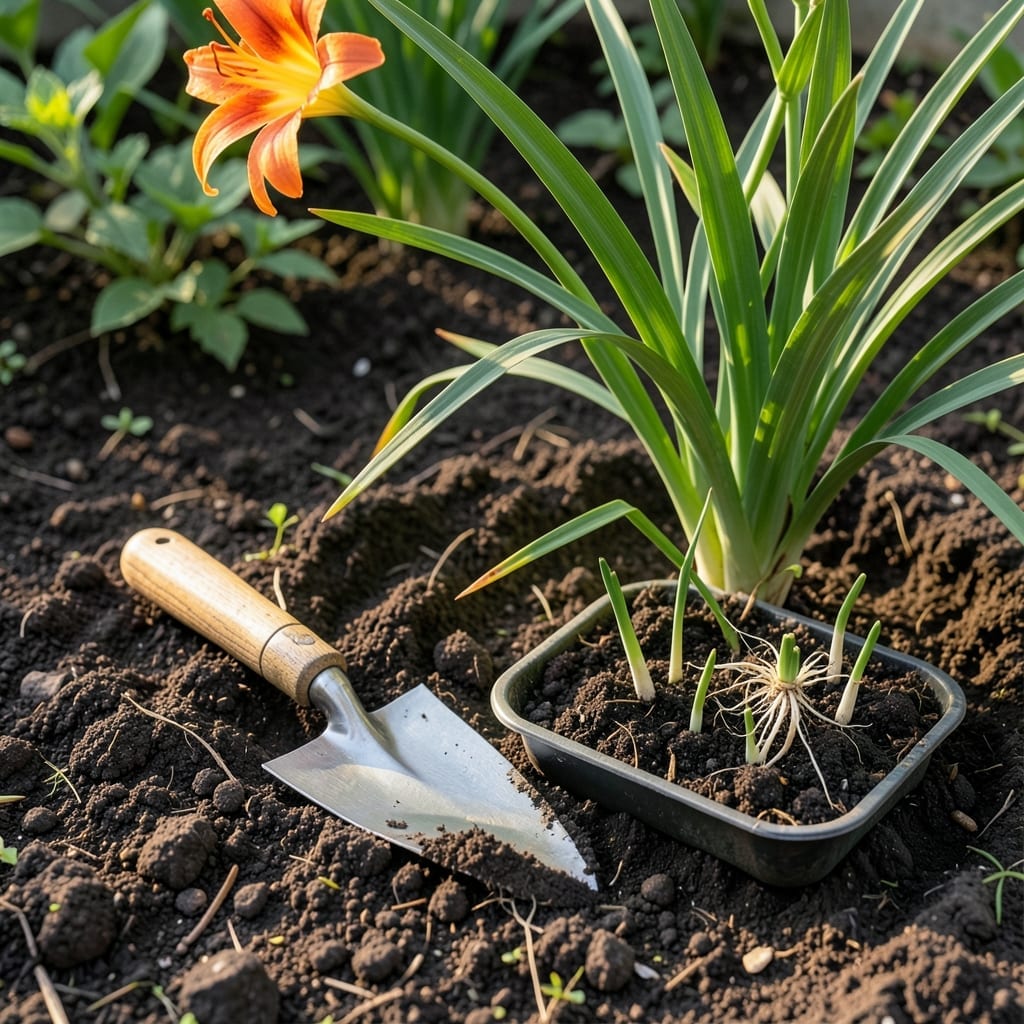
Timing is everything when it comes to planting Daylilies—plant them right, and you’ll be rewarded with seasons of vibrant, low-maintenance blooms.
I’ve learned that choosing the ideal window can make all the difference in how well your 🌸 Daylilies establish and thrive. Whether you’re a beginner or a seasoned gardener, getting this step right sets the stage for success.
Discover the best moments to plant and watch your garden transform with color and life year after year.
Choosing the best time to plant daylilies can feel overwhelming, but I’ve found that focusing on spring and fall gives the best results. These seasons provide the ideal conditions for root establishment before extreme weather hits.
In my experience, early spring allows daylilies to settle in before summer heat, while early fall gives them time to establish roots before winter dormancy. Both windows work, but the right choice depends on your climate zone and soil conditions.
| Planting Season | Pros | Cons | Best For |
|---|---|---|---|
| Early Spring | Cool temps, moist soil | Late frosts may damage new growth | USDA Zones 4-7 |
| Early Fall | Warm soil, less heat stress | Limited time before first frost | USDA Zones 7-9 |
For spring planting, I recommend aiming for March or April in most regions. The soil is workable, and temperatures are mild, which helps reduce transplant shock. Just be sure to avoid planting too early if frosts are still likely.
In fall planting, September or October is ideal. The soil stays warm longer than the air, encouraging root growth before winter. This timing also allows daylilies to focus energy on root development rather than blooming.
If you’re in a warmer climate, fall planting often yields better results. However, in colder zones, spring planting gives plants a full growing season to establish before winter. I always check my local frost dates to fine-tune the timing.
Soil preparation is key regardless of season. I
For container planting, the rules are slightly different. I’ve found that spring is best for potted daylilies, as it gives them time to establish in their containers before winter. Fall container planting can be risky in cold climates.
Remember that dividing daylilies follows similar timing rules. I typically divide my clumps in early spring or early fall, right after they finish blooming. This keeps the plants healthy and encourages more flowers the following year.
No matter when you plant, consistent watering for the first few weeks is crucial. I water deeply once a week unless rain provides enough moisture. This helps the roots settle in and reduces stress on the new plants.
With the right timing and care, your daylilies will reward you with years of stunning blooms and minimal maintenance. 🌸
Planting daylilies correctly ensures they thrive for years. I always start with soil preparation—loosening the earth to 12-15 inches deep and mixing in compost for nutrients. This creates the perfect foundation for strong root growth.
Next, I focus on spacing and depth. Daylilies need 18-24 inches apart to prevent overcrowding. The crown (where roots meet foliage) should sit 1 inch below soil level to encourage stability and prevent rot.
Follow These Steps for Success:
For post-planting care, I keep the area weed-free and monitor for pests. Daylilies are low-maintenance, but consistent moisture in the first year is key. I also deadhead spent blooms to encourage more flowers the next season.
If you’re planting in containers, choose a pot with drainage holes and use a well-draining potting mix. Container-grown daylilies may need more frequent watering, especially in hot climates.
Finally, I always remind myself that patience pays off. Daylilies may take a season to settle in, but once established, they’ll reward you with years of vibrant blooms and minimal upkeep. 🌸