
Beautiful Plants For Your Interior
Beautiful Plants For Your Interior
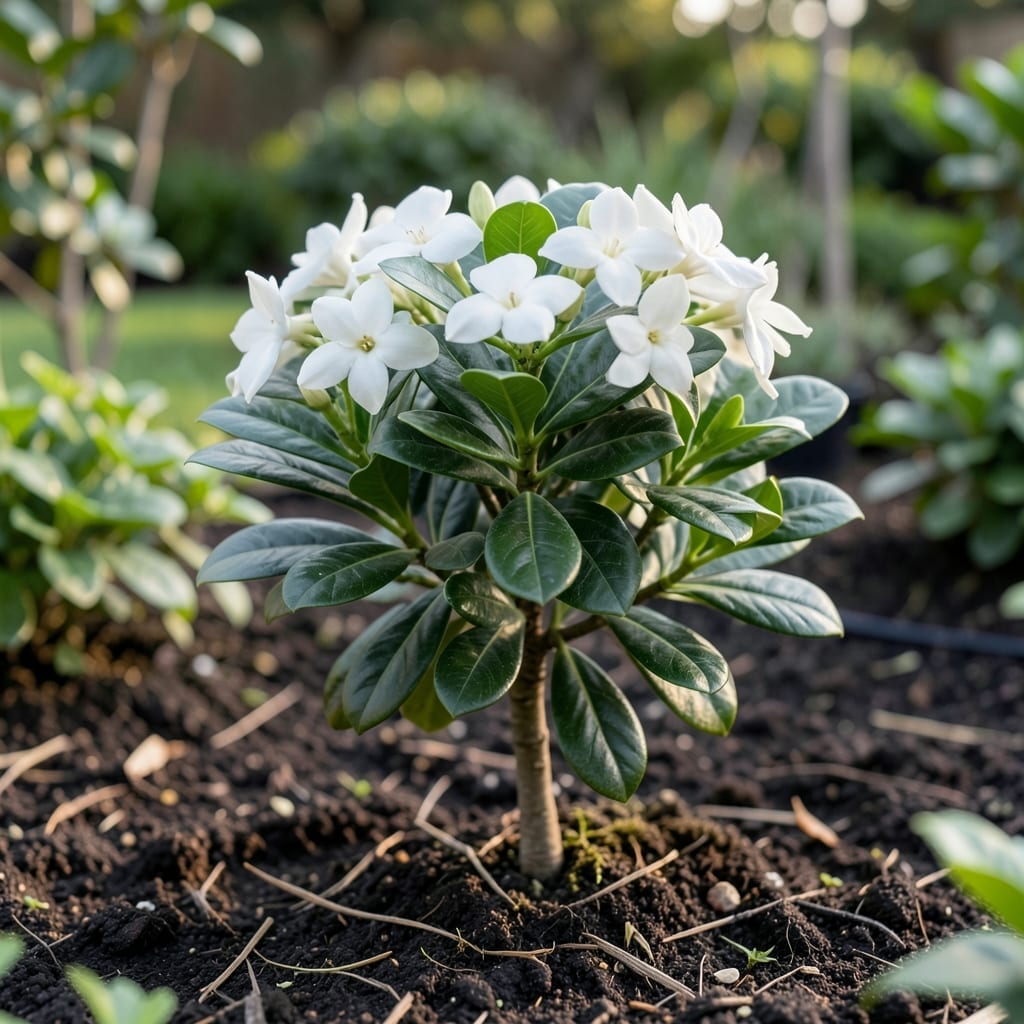
Yellow leaves on a gardenia aren’t a death sentence—just a distress signal. I’ve rescued dozens from this exact issue, and the fix usually comes down to three things: too much water, not enough iron, or soil that’s too alkaline.
Gardenias are drama queens about their roots staying wet. Soggy soil suffocates them, while dry spells stress them out. The sweet spot is moist but well-drained—like a wrung-out sponge, not a swamp.
Iron deficiency shows up as yellow leaves with green veins, especially on new growth. A soil test reveals if your pH is too high (gardenias prefer 5.0-6.0), locking out nutrients they desperately need.
Start with the watering schedule and a soil test. Most yellowing fixes itself once you adjust these two basics.
Gardenias are finicky plants, and their leaves often turn yellow as a sign of distress. Here’s why it happens:
Gardenias thrive in acidic soil (pH 5.0–6.0). When the pH drifts higher, iron, magnesium, or nitrogen become unavailable to the roots. Iron deficiency (interveinal chlorosis) starts with yellowing between leaf veins, while nitrogen deficiency causes uniform yellowing, often in older leaves first. A soil test confirms the issue—amend with sulfur or chelated iron if needed.
Overwatering suffocates roots, blocking nutrient uptake and causing yellow, limp leaves. Underwatering, on the other hand, triggers drought stress—leaves turn yellow and crisp. Gardenias prefer consistently moist (not soggy) soil. Check the top inch of soil: if dry, water deeply; if wet, hold off and improve drainage.
Too little light weakens the plant, leading to pale or yellow leaves. Too much direct sun can scorch foliage, especially in hot climates. Gardenias need bright, indirect light (4–6 hours of morning sun is ideal). If growing indoors, place near an east-facing window or use a grow light.
Spider mites, scale, or whiteflies sap plant juices, causing stippled yellowing. Fungal diseases like root rot (from overwatering) or leaf spot also discolor leaves. Inspect undersides of leaves for pests and treat with neem oil or insecticidal soap. For fungi, improve airflow and avoid wetting foliage.
If your gardenia’s leaves are turning yellow, these targeted fixes can restore its vibrant green foliage and overall health.
If the soil feels soggy or water pools on the surface, stop watering immediately. Let the top 1-2 inches of soil dry out before watering again. Fix: Repot the plant in fresh, well-draining soil mixed with perlite or sand. Ensure the pot has drainage holes. Prevention: Use a moisture meter or stick your finger in the soil to check dryness. Water only when needed—gardenia roots hate sitting in water! 💡
Gardenia thrive in acidic soil (pH 5.0–6.0). Yellow leaves often signal alkaline soil. Fix: Test soil pH with a kit. If too high, amend with sulfur or aluminum sulfate to lower pH. For a quick boost, water with a diluted vinegar solution (1 tbsp white vinegar per gallon of water) every 2 weeks. Prevention: Use peat moss or pine bark in the soil mix to maintain acidity. ✨
Yellowing leaves with green veins often mean iron deficiency (chlorosis). Fix: Apply a chelated iron supplement or foliar spray. For magnesium deficiency (yellowing between veins), use Epsom salt (1 tbsp per gallon of water) every 2 weeks. Prevention: Fertilize monthly in growing season with an acid-loving plant fertilizer rich in iron and magnesium. 🎯
Gardenia are sensitive to temperature swings and drafts. Fix: Keep them in stable temperatures (65–75°F) and away from cold drafts or heat vents. If humidity is too low, mist leaves or use a pebble tray. Prevention: Place in bright, indirect light (no direct sun) and maintain consistent conditions. 🌡️
Check undersides of leaves for spider mites, aphids, or scale. Fix: Wipe leaves with neem oil solution or insecticidal soap weekly until pests are gone. Prevention: Inspect plants regularly and keep foliage clean to deter pests. 🔍
Water when the top 1-2 inches of soil feel dry. Gardenias need consistently moist soil, but soggy conditions cause root rot. Stick your finger in the soil—if it’s damp, wait.
Apply a chelated iron supplement directly to the soil or as a foliar spray. You’ll see improvement in new growth within 1-2 weeks. Avoid overdoing it—follow package instructions.
Once a leaf turns completely yellow, it won’t recover. Focus on fixing the underlying issue (watering, pH, or nutrients) to prevent new leaves from yellowing. Remove damaged leaves to redirect energy.
Use an inexpensive soil test kit from a garden center. Collect soil from 4-6 inches deep, mix with distilled water, and match the color to the kit’s chart. Gardenias thrive at pH 5.0-6.0.