
Beautiful Plants For Your Interior
Beautiful Plants For Your Interior
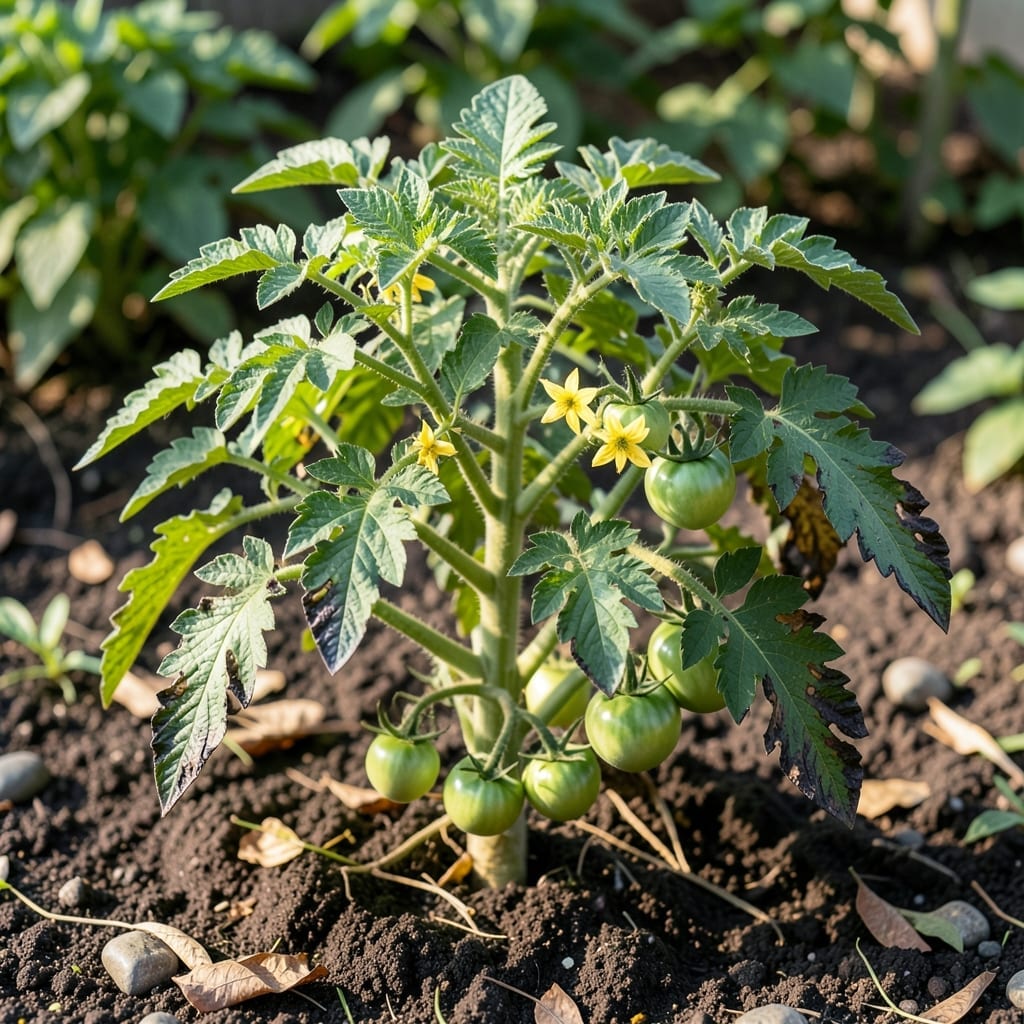
Black leaves on your plants aren’t just unsightly—they’re a distress signal. I’ve seen this happen overnight, and it always means something’s wrong beneath the surface.
Usually it’s overwatering, a sneaky fungal infection, or a nutrient imbalance. The good news? Most causes are fixable if you catch them early. I saved my prized fern by adjusting its care within 48 hours.
You’ll learn to spot the difference between blackening from rot versus deficiency. The solutions are simple: better drainage, targeted treatments, or a soil adjustment.
Prevention is even easier once you know what to watch for. Your plants can bounce back faster than you’d think.
Black leaves on your plants are a distress signal, and several underlying issues could be to blame. Here’s a breakdown of the most common causes:
Plants exposed to frost or heatwaves often develop blackened leaves due to cellular damage. Cold snaps cause ice crystals to form inside plant tissues, rupturing cells and leading to necrosis (dead, blackened patches). Conversely, excessive heat can scorch foliage, especially if the plant lacks adequate hydration to cool itself.
Too much water suffocates roots, preventing oxygen uptake and fostering Pythium or Phytophthora fungi. These pathogens attack roots, cutting off nutrient flow to leaves. Without oxygen and nutrients, leaves turn black as tissues die. Check for mushy, foul-smelling roots—a telltale sign of rot.
Pathogens like Alternaria or Xanthomonas thrive in humid, poorly ventilated environments. They invade leaves through wounds or stomata, causing black spots or patches. Fungal spores spread via water splashes, while bacteria ooze from lesions. Left untreated, these infections can consume entire leaves.
Over-fertilizing (especially with high-salt synthetics) can burn roots, leading to blackened, crispy leaves. Conversely, a calcium deficiency disrupts cell wall formation, causing new growth to blacken and die. Test soil pH and nutrient levels to pinpoint imbalances.
Herbicides, excessive pesticides, or even harsh water (e.g., high chlorine) can cause chemical burns, manifesting as blackened edges or spots. Physical trauma—like hail or rough handling—also tears tissues, inviting secondary infections that turn leaves black.
If your plant’s leaves are turning black, don’t panic—most causes are fixable with the right care. Below are targeted solutions for each common issue, along with prevention tips to keep your greenery thriving.
Let the soil dry out slightly between waterings. Repot the plant in fresh, well-draining soil and ensure the pot has drainage holes. Prevention tip: Use a moisture meter 🌡️ to avoid guesswork.
Move the plant to a spot with bright, indirect light. If outdoors, provide shade during peak sun hours. Prevention tip: Gradually acclimate plants to new light conditions to avoid shock.
Remove affected leaves and treat with a copper-based fungicide or neem oil. Improve airflow around the plant and avoid wetting the foliage. Prevention tip: Sterilize pruning tools ✨ to prevent spreading pathogens.
Relocate the plant to a warmer area, away from drafts or cold windows. Trim blackened leaves to encourage new growth. Prevention tip: Keep tropical plants indoors when temperatures drop below 50°F (10°C).
Flush the soil with water to remove excess salts from fertilizers. Adjust your feeding schedule and use a balanced, diluted fertilizer. Prevention tip: Test soil 📊 every few months to monitor nutrient levels.
With these fixes, your plant can bounce back—just stay consistent and observant!
No, once leaves turn black, the damage is permanent. Remove them to prevent further issues and focus on saving the rest of the plant. New, healthy growth will replace the damaged leaves.
Overwatering causes mushy, yellowing leaves before blackening. Underwatering leads to dry, crispy leaves. Check soil moisture 2 inches deep—if bone dry, it needs water.
Not always. It could be environmental, like cold drafts or heat stress. Inspect roots and leaves for signs of rot or pests to confirm.
Yes, trim black leaves with clean shears to prevent the spread of disease or pests. Always sterilize tools between cuts to avoid contamination.