
Beautiful Plants For Your Interior
Beautiful Plants For Your Interior
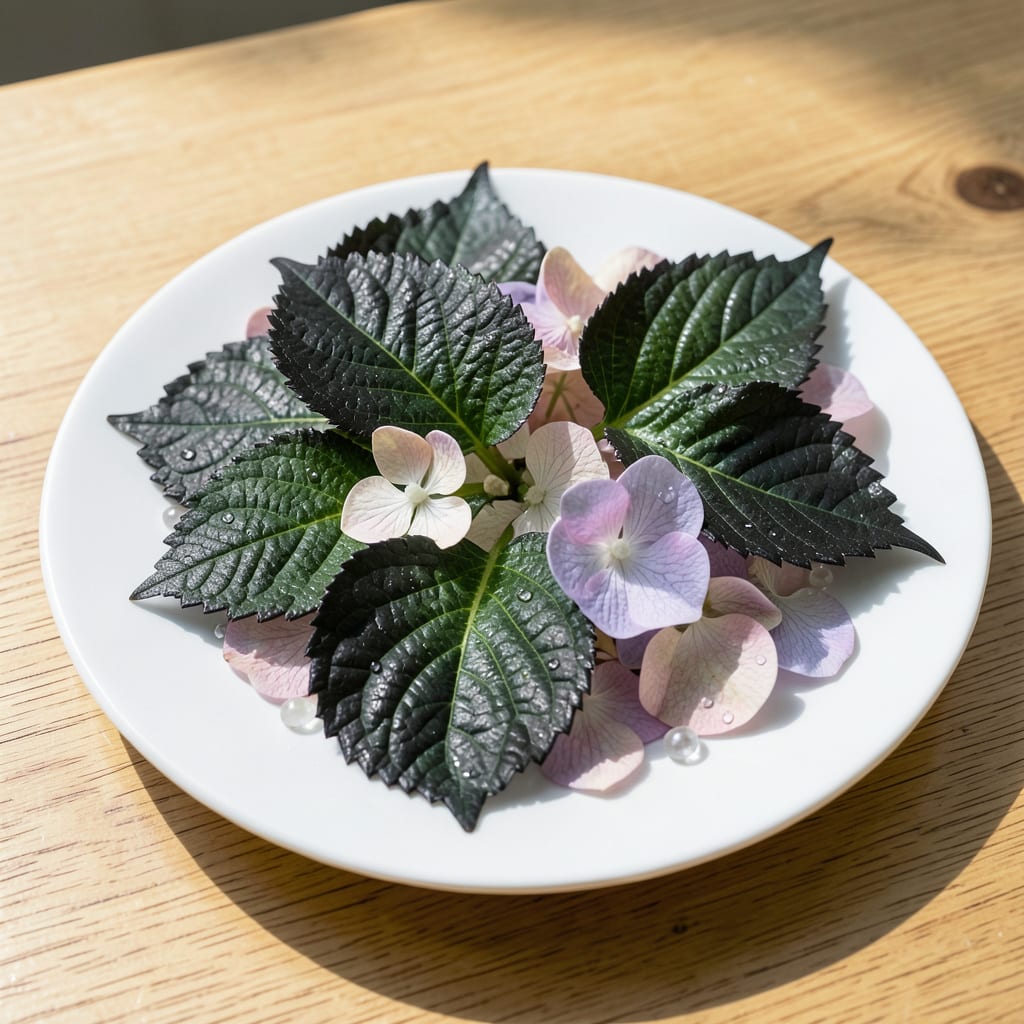
Black edges on hydrangea leaves always signal a problem worth fixing. I’ve seen this happen most often in midsummer when heat and water stress combine.
Usually it’s either too much sun scorching the margins or inconsistent watering that leaves the plant thirsty. Sometimes both. The fix isn’t complicated once you know what to look for.
With the right adjustments, your hydrangeas will bounce back with healthy green leaves and stay that way through the growing season. No fancy tools or chemicals required.
Works for all hydrangea types, from bigleaf to panicle. Here’s how to diagnose and treat it fast.
Black edges on hydrangea leaves are a distress signal, often tied to environmental or care-related stressors. Below are the most common causes, explained with actionable insights.
Intense sunlight, especially during peak afternoon hours, can burn the edges of hydrangea leaves. Hydrangeas (particularly bigleaf varieties like Hydrangea macrophylla) thrive in partial shade. When exposed to excessive UV radiation, the leaf tissues dehydrate and die, turning black or brown. This is often worsened by low humidity or dry soil, as the plant struggles to replace lost moisture.
Both underwatering and overwatering can lead to black edges. Drought stress causes the leaf margins to crisp and darken as the plant prioritizes water for survival. Conversely, waterlogged roots suffocate, reducing nutrient uptake and leading to necrosis (tissue death) at the edges. Poor drainage or heavy clay soils exacerbate this.
Excess salts from fertilizers (especially synthetic ones) or tap water can accumulate in the soil, drawing moisture out of the roots—a process called osmotic stress. This causes the leaf edges to scorch. Similarly, herbicides or de-icing salts (in winter) may leach into the soil, leading to toxic burn symptoms.
Sudden temperature drops, especially in late spring or early fall, can freeze the tender edge tissues of hydrangea leaves. This results in blackened, wilted margins. New growth is particularly vulnerable. If your hydrangea is planted in an exposed area, cold winds can also desiccate the leaves, mimicking sun scorch.
Here’s how to tackle black edges on hydrangea leaves, with clear fixes for each common cause:
If excessive sun is the culprit, move potted hydrangeas to a spot with dappled or afternoon shade. For in-ground plants, erect a shade cloth or plant taller, hardy species nearby to cast natural shade. Aim for 4–6 hours of morning sun max. Water deeply at the base in the early morning to help roots absorb moisture before the heat peaks.
Dry soil leads to crispy edges. Check soil moisture by sticking your finger 2 inches deep—if it’s dry, it’s time to water. Use a drip irrigation system or soaker hose to deliver water slowly and deeply 2–3 times a week (more in extreme heat). Mulch with 2–3 inches of organic matter (like bark or compost) to retain moisture.
Soggy roots suffocate and rot, stressing the plant. Stop watering immediately if the soil feels muddy. Repot container hydrangeas in well-draining mix with perlite or sand. For garden plants, amend heavy clay soil with compost. Ensure pots have drainage holes to prevent waterlogging.
Sudden cold snaps or heatwaves shock hydrangeas. Cover plants with frost cloth if temperatures drop below 32°F. In extreme heat, mist leaves lightly in the early morning to cool them down. Avoid fertilizing during stress periods—wait until the plant recovers.
Yes, if left untreated, the damage can expand inward from the edges. Address the root cause quickly to prevent further decline.
Sun scorch typically affects leaves exposed to direct afternoon sun, while underwatering causes uniform crisping. Check soil moisture to confirm.
Yes, removing severely blackened leaves redirects energy to healthy growth. Use clean shears and cut just above a leaf node.
Excess fertilizer salts draw moisture from roots, leading to burned edges. Flush soil with water to remove buildup.
