
Beautiful Plants For Your Interior
Beautiful Plants For Your Interior
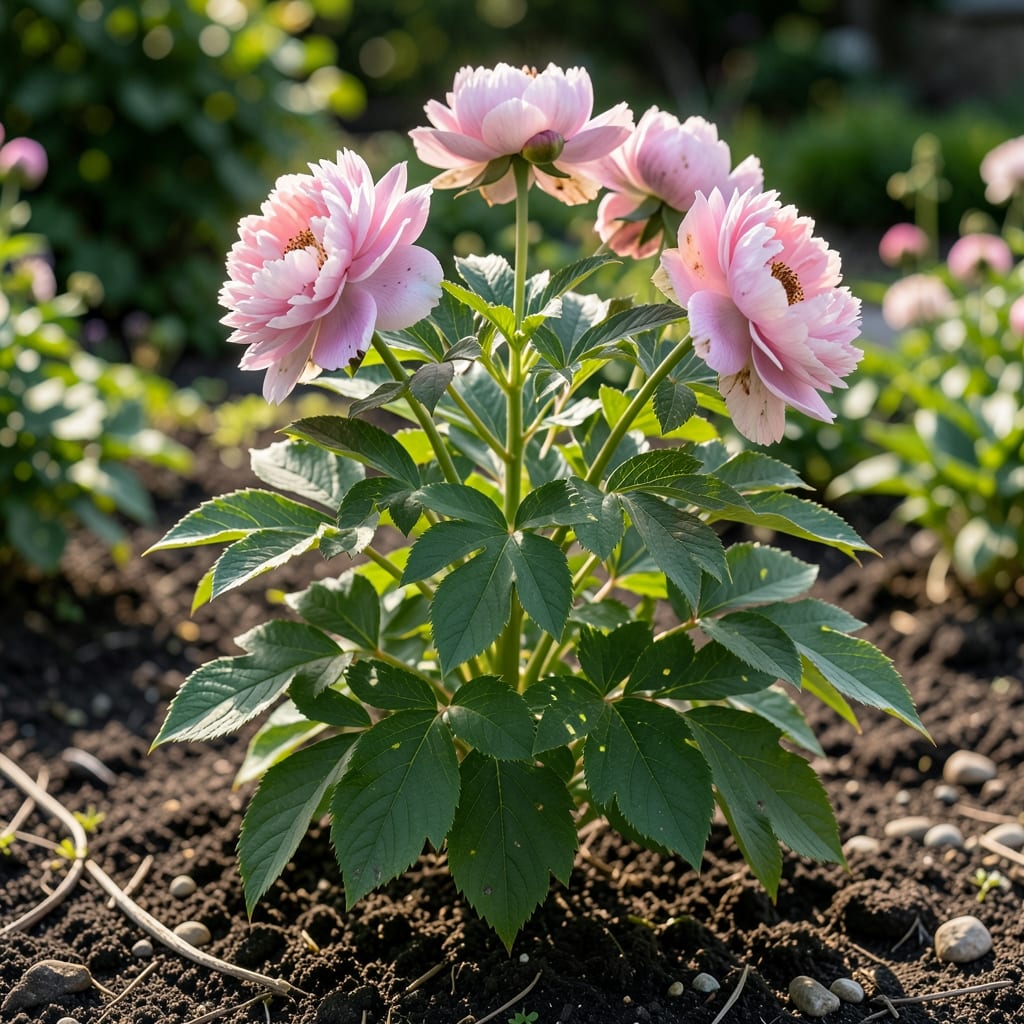
Brown peony leaves ruined my first garden season. 🌿 I watched healthy green stems turn crispy and dark overnight, with no clue what went wrong.
The culprit is usually one of three things: too much moisture, not enough nutrients, or a fungal visitor that loves peonies as much as I do. Each leaves a distinct pattern of brown—spots, edges, or entire leaves.
Good news: these problems fix fast with simple changes. Better airflow, adjusted watering, or a spray of baking soda can turn things around in days. Your plants will thank you with next year’s blooms.
Let’s start with the easiest checks: how you’re watering and where your peonies stand in the garden.
Peonies turning brown is often a sign of environmental stress or disease. Here are the most common causes, explained with actionable insights:
Botrytis cinerea is a frequent culprit, thriving in damp, poorly ventilated conditions. This fungus causes brown spots on leaves and flowers, often with a fuzzy gray mold. It spreads via spores in humid weather (above 85% humidity) and temperatures between 60–75°F (15–24°C). Overhead watering or crowded plantings worsen the issue.
Extreme heat or drought stress can scorch peony foliage, turning edges brown and crispy. Peonies prefer consistent moisture (1–1.5 inches of water weekly) and partial afternoon shade in hot climates. Conversely, waterlogged soil suffocates roots, leading to browning and wilting.
A lack of potassium or magnesium may cause marginal browning (edges turning brown while veins stay green). Test soil pH—peonies thrive in 6.0–7.0 pH. Amend with organic compost or a balanced fertilizer (10-10-10) if deficiencies are confirmed.
Japanese beetles and thrips chew on leaves, creating brown, ragged patches. Inspect undersides of leaves for pests or their eggs. Neem oil or hand-picking can control minor infestations.
Overuse of herbicides or high-nitrogen fertilizers can cause rapid browning. Always follow dosage instructions and avoid spraying on windy days to prevent drift.
If your peonies are turning brown, don’t panic—here’s how to nurse them back to health. Below are targeted fixes for each common cause, along with prevention tips to keep them thriving.
Remove infected leaves or stems immediately to prevent spread. Treat with neem oil or a copper fungicide, applying in the early morning or late evening. Avoid overhead watering to reduce moisture on foliage. Prevention: Space plants for airflow and clean up fallen debris.
Let the soil dry slightly between waterings. If the soil is soggy, improve drainage by amending with compost or sand. For potted peonies, ensure containers have drainage holes. Prevention: Water deeply but infrequently—about 1 inch per week.
Shield peonies from intense afternoon sun, especially in hot climates. Use shade cloth or relocate to a spot with dappled sunlight. Mulch around the base to retain moisture. Prevention: Plant in well-ventilated areas with morning sun.
Test your soil and amend with a balanced fertilizer (10-10-10) or organic options like bone meal for phosphorus. Yellowing leaves may signal nitrogen deficiency. Prevention: Feed peonies in early spring and after blooming.
Inspect for aphids or ants (which farm aphids). Blast pests off with water or apply insecticidal soap. For Japanese beetles, handpick them early in the day. Prevention: Encourage beneficial insects like ladybugs.
💡 Pro Tip: Always sterilize pruning tools with rubbing alcohol to avoid spreading disease between plants.
Not always. While infections like botrytis can cause brown spots, environmental factors like drought stress or sunburn often create similar symptoms. Check soil moisture and sunlight exposure first.
Yes, if the crown and roots remain healthy. Prune affected foliage immediately and adjust care—improve drainage, reduce overhead watering, or add shade. New growth often appears within 2-3 weeks.
This typically signals overwatering or poor airflow. Lower leaves stay damp longer, making them prime targets for fungal spores. Trim affected leaves and improve circulation.
Only if caused by contagious issues like fungal infections or pests. Isolate affected peonies and avoid touching healthy plants with the same tools. Always disinfect pruners between cuts.