
Beautiful Plants For Your Interior
Beautiful Plants For Your Interior
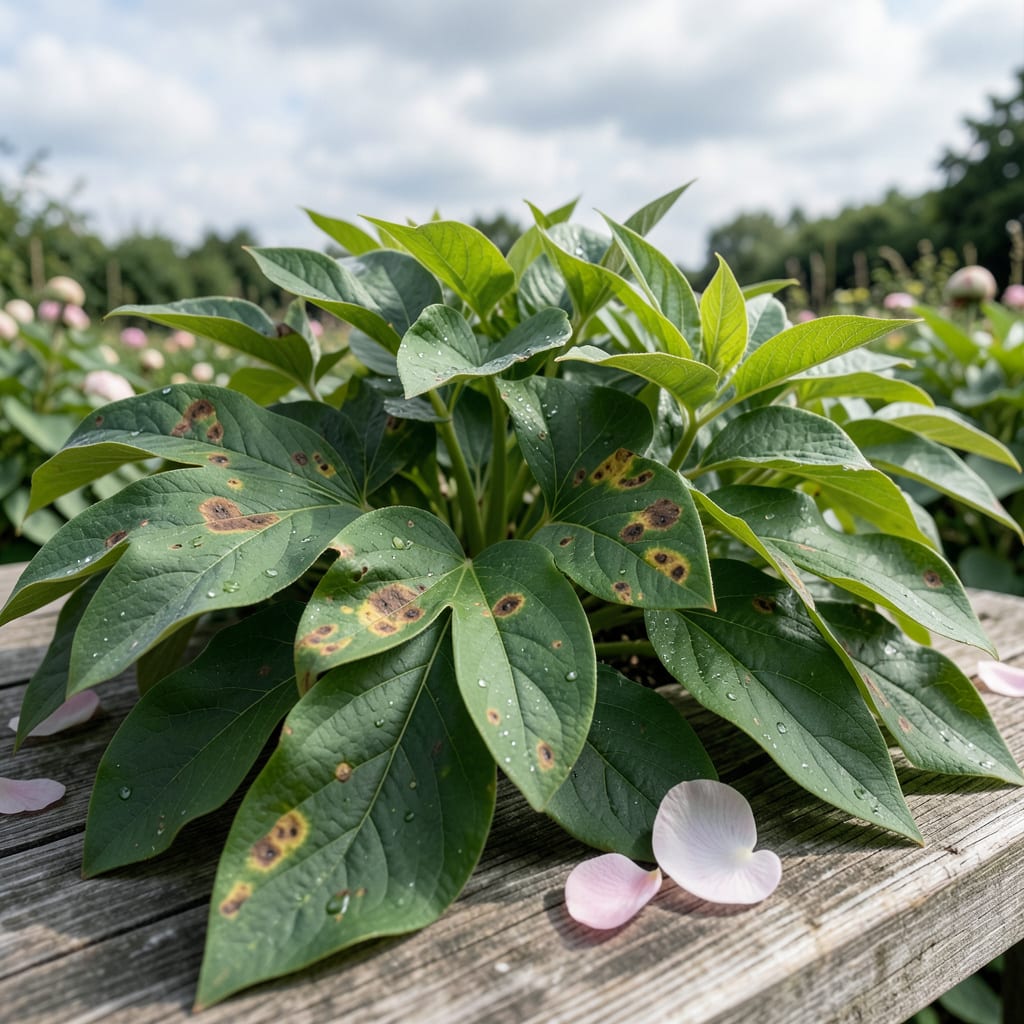
Spotted brown patches on your peonies aren’t just ugly—they’re a warning. I’ve lost entire bushes to this before learning the signs.
The usual culprit is fungal infection, but overwatering, poor air flow, or even splash-back from rain can start the problem. Catching it early means saving next year’s blooms.
You’ll see leaves yellowing, then crisping at the edges. Left unchecked, it spreads to stems and buds. The fix is simpler than you’d think—just consistent.
Works for all peony types, in any climate. Here’s how to stop it.
Brown spots on peony leaves are usually a sign of underlying issues, often tied to environmental stress or pathogens. Here’s a breakdown of the most common causes, explained clearly so you can take action.
The primary culprit is often fungal diseases, particularly Cladosporium or Botrytis (gray mold). These fungi thrive in warm, humid conditions, especially when leaves stay wet for extended periods. Spores spread via water, wind, or contaminated tools, leading to circular or irregular brown spots with darker edges. Left unchecked, they can defoliate the plant.
Watering from above leaves foliage damp, creating a perfect breeding ground for fungi. Peonies prefer soil-level irrigation to keep leaves dry. If you must use sprinklers, water early in the day so leaves dry quickly in the sun.
Extreme heat, drought, or poor air circulation can weaken peonies, making them more susceptible to infections. Sun scorch (from intense sunlight) or nutrient deficiencies (like potassium or magnesium) may also cause brown, crispy spots. Ensure your peonies are planted in well-draining soil with partial shade in hot climates.
While less common, pests like thrips or Japanese beetles can chew on leaves, creating entry points for pathogens. Their feeding damage may resemble small brown spots or streaks. Inspect leaves closely for tiny insects or eggs, and treat infestations promptly with insecticidal soap.
Tackling brown spots on your peonies starts with identifying the cause and applying the right fix. Here’s how to restore your plants to their vibrant best.
If the spots are circular with dark edges, it’s likely leaf blotch or botrytis blight. Prune infected leaves immediately and dispose of them in the trash (not compost). Apply a copper-based fungicide or a baking soda spray (1 tbsp baking soda + 1 tsp dish soap + 1 gallon water) every 7–10 days until the issue clears. Prevention tip: 💡 Space plants for airflow and water at the base to keep foliage dry.
Spots with jagged edges or holes? Check for aphids, thrips, or Japanese beetles. Blast pests off with water or use neem oil or insecticidal soap at dusk. For severe infestations, try pyrethrin-based sprays. Prevention tip: 🎯 Encourage ladybugs and lacewings (natural predators) by planting companion flowers like marigolds.
Brown, crispy spots often signal sunscald or water stress. Move potted peonies to partial shade and ensure the soil stays evenly moist but not soggy. Mulch around the base to retain moisture. Prevention tip: ✨ Water deeply in the morning and avoid overhead watering to prevent fungal growth.
Yellowing leaves with brown spots may indicate a magnesium or potassium deficiency. Work compost or balanced fertilizer (10-10-10) into the soil in early spring. For quick fixes, use a foliar spray of Epsom salt (1 tbsp per gallon of water). Prevention tip: 🌱 Test soil every 2–3 years and amend as needed for optimal peony health.
No, they can also come from pests, sun scorch, or nutrient deficiencies. Fungal spots are usually circular with dark edges, while pest damage looks jagged.
Never compost infected leaves—this spreads disease. Seal them in a bag and discard with household trash to prevent contamination.
Fungicide or neem oil treatments often take 7-14 days to improve appearance. Stop watering overhead immediately for faster recovery.
Yes, fungal spores travel easily via wind or water. Isolate affected peonies and sterilize pruning tools between use.
