
Beautiful Plants For Your Interior
Beautiful Plants For Your Interior
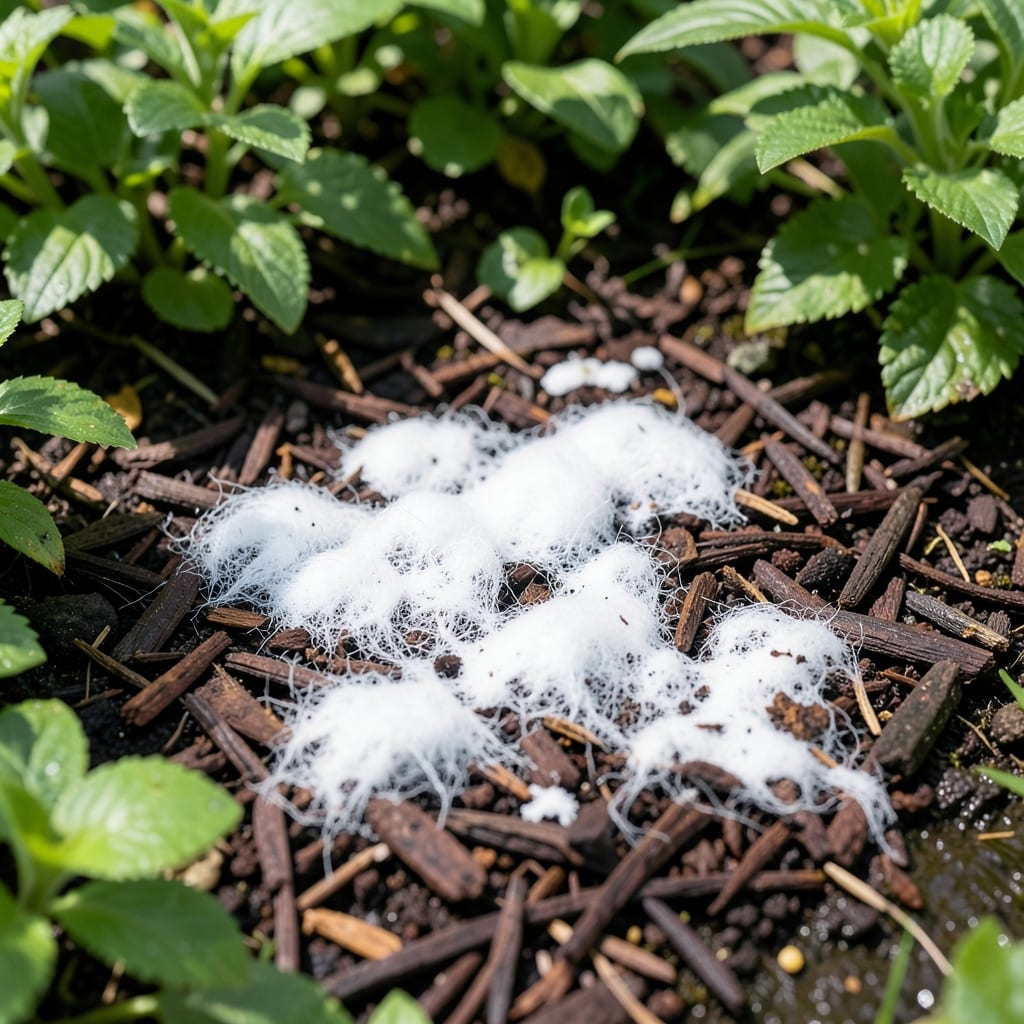
That white stuff on your mulch isn’t snow. I first noticed it last spring after a particularly wet week—turned out to be fungal growth thriving in damp, shaded conditions. It’s more common than you’d think.
The good news is it’s usually harmless to plants, though it can look alarming. Most cases clear up with better air circulation or a quick raking. I’ve found that 3 simple changes typically solve the problem without harsh chemicals.
What you end up with is clean, healthy mulch that does its job: retaining moisture, suppressing weeds, and protecting your soil. The white spots disappear, and your garden beds look tidy again.
Works for wood chips, straw, or any organic mulch. Here’s how to handle it the right way.
The white stuff on mulch is usually a sign of fungal activity, and it often thrives under specific environmental conditions. Below are the most common causes, explained with clear, actionable insights.
Saprophytic fungi, like Mucor or Rhizopus, decompose organic matter in mulch. These fungi appear as white, thread-like or powdery growths and are harmless to plants but can spread rapidly in warm, moist conditions. They break down cellulose and lignin in wood mulch, releasing spores that create the visible white layer.
Overwatering or poor drainage creates a damp environment where fungi and mold proliferate. Mulch retains moisture, and if it stays wet for extended periods, it becomes a breeding ground for white fungal growth. This is especially common in shaded areas with limited airflow.
Fungi thrive in humid, warm climates (70–90°F). Mulch in such conditions accelerates microbial activity, leading to visible white colonies. High humidity prevents the mulch from drying out, giving fungi the perfect conditions to grow and spread.
Low-quality or finely shredded mulch decomposes faster, attracting fungi. Hardwood mulches, in particular, are prone to fungal growth due to their high cellulose content. Fresh, untreated wood chips can also introduce fungal spores if not properly aged.
White growth on mulch is usually harmless but can be unsightly. Here’s how to tackle each common cause and keep your garden beds looking fresh.
If the white stuff is fuzzy or thread-like, it’s likely a Saprophytic fungus breaking down organic matter. Fix it: Rake the mulch to expose the fungus to sunlight and air, which disrupts its growth. For stubborn patches, replace the affected mulch with fresh material. Avoid overwatering, as damp conditions encourage fungal spread.
Prevention tip: 💡 Use cedar or pine bark mulch, which resists fungus naturally, and maintain a thin layer (2–3 inches) to allow airflow.
White, crusty residue may be mineral buildup from hard water or fertilizers. Fix it: Rinse the mulch with a garden hose to dissolve and wash away deposits. For heavy buildup, remove the top layer of mulch and replace it with a fresh, untainted batch.
Prevention tip: ✨ Water deeply but less frequently to reduce mineral accumulation, and use distilled water if your tap water is high in minerals.
Cottony white clusters could be mealybugs or insect eggs. Fix it: Spray the area with a mixture of 1 teaspoon mild dish soap per quart of water to smother pests. For severe infestations, apply neem oil or insecticidal soap. Remove heavily infested mulch to prevent reinfestation.
Prevention tip: 🎯 Keep mulch dry by avoiding overwatering and maintain a gap between mulch and plant stems to deter pests.
If you’ve recently applied lime or wood ash, white dust may linger. Fix it: Lightly rake the mulch to distribute the residue evenly, or water it down to help it settle into the soil. Avoid over-applying amendments in the future.
Prevention tip: 🌡️ Test your soil pH before adding lime or ash, and apply only as needed to avoid excess buildup.
In most cases, no. Saprophytic fungi breaking down mulch are harmless to plants. They only decompose organic matter, not living plant tissue.
Improve airflow by keeping mulch layers thin (2-3 inches) and raking regularly. Use cedar or pine bark mulch, which naturally resists fungal growth.
Crusty residue is likely mineral buildup. Rinse with water or replace the top layer. Avoid hard water for irrigation to prevent recurrence.
Cottony clusters may indicate mealybugs. Treat with 1 tsp dish soap per quart of water or neem oil. Remove heavily infested mulch immediately.