
Beautiful Plants For Your Interior
Beautiful Plants For Your Interior
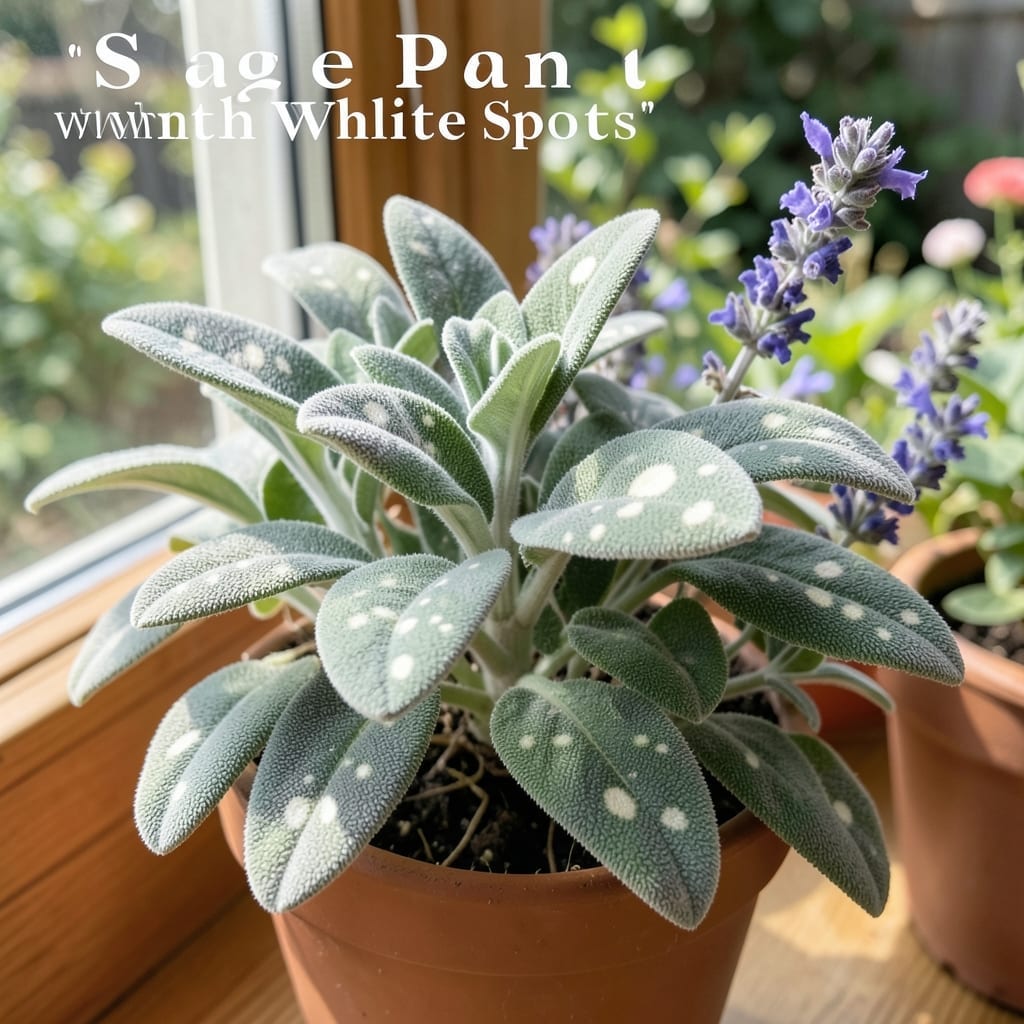
White spots on your sage leaves aren’t just unsightly—they’re a warning sign. 🌿 I’ve seen powdery mildew, downy mildew, and even spider mites create this exact pattern, and ignoring it always makes things worse.
The good news? Most causes are treatable with simple fixes. I’ve saved countless sage plants by adjusting watering habits, improving airflow, and using organic sprays at the first sign of trouble. Early action means your plant can recover fully.
You’ll notice healthier growth within 7-10 days of treatment, with new leaves emerging spot-free. The key is consistent monitoring and addressing the root cause, not just the symptoms.
Works for potted sage, garden beds, or herb spirals. Here’s how to diagnose and fix it for good.
White spots on sage leaves often signal underlying issues that disrupt the plant’s health. Below are the most frequent causes, explained with actionable insights.
Powdery mildew (Erysiphe spp.) is a primary culprit, thriving in high humidity and poor air circulation. The fungus forms a white, powdery coating on leaves, sapping nutrients and stunting growth. Overhead watering and crowded plantings exacerbate the problem.
Spider mites and mealybugs leave behind white residues. Spider mites spin fine webbing, while mealybugs appear as cottony clusters. Both pests pierce leaf cells, causing discoloration and weakening the plant. Check leaf undersides for early signs.
Hard water or foliar sprays with high mineral content (e.g., calcium, magnesium) can leave white mineral spots after evaporation. These are superficial but may indicate imbalanced soil pH or over-fertilization.
Intense sunlight can bleach patches of sage leaves, creating white or yellowish spots. This often occurs in young plants or after sudden exposure to full sun without acclimation.
Overwatering, nutrient deficiencies (e.g., zinc or iron), or sudden temperature swings can trigger physiological stress, manifesting as white or chlorotic spots. Sage prefers well-draining soil and consistent moisture.
Here’s how to tackle those pesky white spots on your sage leaves, with solutions tailored to the most common causes.
If the spots look powdery or fuzzy, it’s likely powdery mildew. Spray leaves with a mix of 1 tablespoon baking soda, 1 teaspoon dish soap, and 1 gallon of water. Apply weekly until the spots disappear. For severe cases, use a neem oil solution (2 tablespoons per gallon of water) and spray every 5–7 days. Prune infected leaves to improve airflow and prevent spread.
Prevention tip: 💡 Space plants 18–24 inches apart and water at the base to keep leaves dry.
Tiny white spots or webbing? Check for pests. Wipe leaves with a cotton swab dipped in rubbing alcohol to remove mealybugs. For spider mites, spray with insecticidal soap (follow label instructions) or introduce ladybugs as natural predators.
Prevention tip: 🌡️ Keep humidity moderate—mites thrive in dry conditions. Mist plants occasionally.
If spots are dry and crispy, your sage may be getting too much sun or irregular watering. Move potted sage to partial shade during peak afternoon heat. For in-ground plants, add mulch to retain moisture. Water deeply but only when the top inch of soil is dry.
Prevention tip: ✨ Acclimate young plants gradually to full sun to avoid shock.
Chalky white residue? Hard water or foliar fertilizers may be the culprit. Rinse leaves with distilled water or a weak vinegar solution (1 part vinegar to 3 parts water) to dissolve deposits. Switch to rainwater or filtered water for watering.
Prevention tip: 🎯 Use a water softener or collect rainwater for irrigation.
Yes, overwatering can lead to Root rot and fungal growth, which may appear as white spots. Ensure your sage is in well-draining soil and water only when the top 1 inch of soil is dry.
Improve airflow by spacing plants 18-24 inches apart. Water at the base, avoid overhead watering, and keep leaves dry. Regularly inspect your plants for early signs of issues.
Not always. They can also result from mineral deposits, sun scorch, or pest infestations. Check the pattern and texture of the spots to identify the cause accurately.