
Beautiful Plants For Your Interior
Beautiful Plants For Your Interior
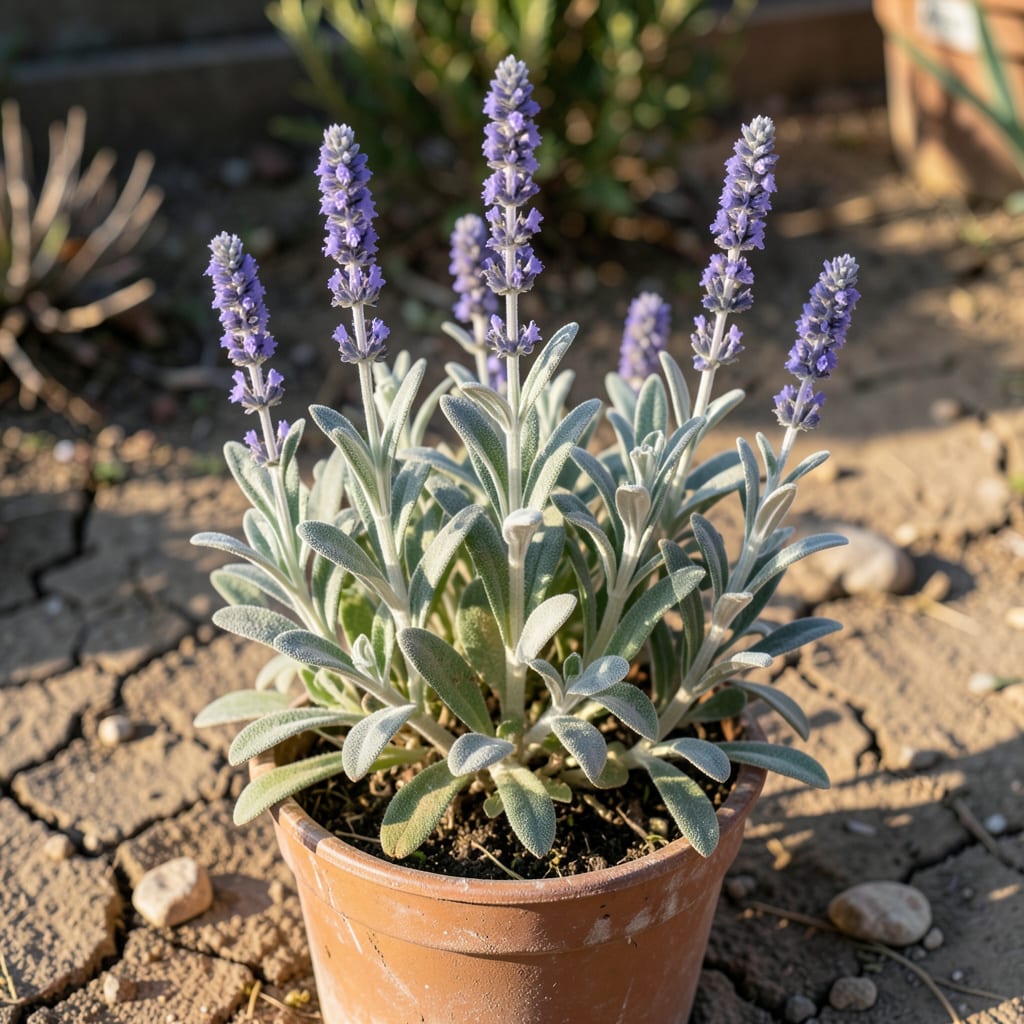
I’ve always been fascinated by White Sage 🌿, not just for its spiritual significance but also for its impressive growth potential. When cultivating this revered herb, understanding its height expectations is crucial for garden planning.
White Sage typically grows between 3 to 6 feet tall, making it a substantial presence in any garden. Let’s explore what influences its growth and how to optimize its development.


I’ve found that understanding white sage’s growth patterns is essential for successful cultivation. White sage is known for its impressive height, which can range between 3 to 6 feet tall.
The plant’s height is influenced by various factors, including soil quality, sunlight, and watering practices. In optimal conditions, white sage can reach its maximum height within 2-3 growing seasons. 🌱
White sage’s growth is characterized by its woody stems and silvery-gray foliage. The plant’s natural growth pattern is upright and bushy, making it an excellent choice for border gardens or container planting. The herb’s aromatic leaves are not only used for spiritual purposes but also add to its ornamental value.
To achieve optimal height, white sage requires full sun exposure and well-draining soil. The plant is drought-tolerant but will perform better with regular watering. Proper care and maintenance can help white sage reach its maximum height potential.
It’s worth noting that white sage is a perennial herb in USDA zones 6-10. In cooler climates, it may need protection during the winter months or be grown as an annual. The plant’s height can be influenced by factors such as soil quality, climate conditions, and pruning practices.
When cultivating white sage, gardeners should be aware of its potential to grow quite tall. Providing adequate space and support can help prevent the plant from becoming leggy or top-heavy. Regular pruning can also help maintain a desired height and promote healthy growth.
In summary, white sage is a versatile herb that can add both spiritual and ornamental value to a garden. Its growth characteristics make it an excellent choice for gardeners looking to incorporate a native Californian plant into their landscape. With proper care and maintenance, white sage can thrive and reach its full height potential.
For gardeners looking to manage white sage’s height, regular pruning is key. Pruning in the spring or fall can help control the plant’s size and promote new growth. It’s also essential to provide white sage with enough space to grow, as overcrowding can lead to reduced air circulation and increased disease risk.
By understanding white sage’s growth habits and providing optimal growing conditions, gardeners can enjoy this herb’s many benefits for years to come. Whether used for spiritual purposes, culinary applications, or simply as an attractive garden specimen, white sage is a valuable addition to any garden.
Overall, white sage is a low-maintenance and versatile herb that can thrive in a variety of garden settings. Its impressive height and attractive foliage make it an excellent choice for gardeners looking to add some visual interest to their landscape.
I’ve observed that white sage’s height is significantly influenced by its growing conditions. The plant’s natural habitat is characterized by dry, well-draining soil and full sun exposure, which allows it to thrive. 🌿
When cultivating white sage, it’s essential to replicate these conditions to promote healthy growth. The plant’s height can be affected by factors such as soil quality, climate conditions, and watering practices. For example, white sage grown in poor soil may not reach its full height potential.
White sage is native to the southwestern United States and northern Mexico, where it grows in dry, rocky areas. This adaptability to harsh conditions makes it an excellent choice for drought-tolerant gardens.
The climate also plays a crucial role in determining white sage’s height. The plant thrives in Mediterranean climates with hot summers and mild winters. In areas with cooler temperatures or high humidity, white sage may not grow as tall.
Watering practices are another critical factor in white sage’s growth. The plant is drought-tolerant but will perform better with regular watering. However, overwatering can be detrimental, leading to root rot and reduced growth.
To optimize white sage’s height, gardeners should ensure the soil is well-draining and low in nutrients. The plant prefers slightly acidic to neutral soil pH, ranging from 6.0 to 7.0. Adding organic matter like compost can help improve soil quality.
In addition to soil and climate, pruning practices can also impact white sage’s height. Regular pruning can help maintain a desired height and promote healthy growth. Pruning in the spring or fall can help control the plant’s size and encourage new growth.
By understanding the factors that affect white sage’s height, gardeners can take steps to optimize its growth. With proper care and maintenance, white sage can thrive and reach its full height potential, making it a valuable addition to any garden.
Overall, white sage is a resilient and adaptable herb that can grow well in a variety of conditions. By providing the right growing conditions and care, gardeners can enjoy this herb’s many benefits for years to come.
Managing white sage height requires a combination of proper pruning, spacing, and maintenance techniques. I’ve found that regular pruning is essential to control the plant’s size and promote healthy growth 🌱.
Prune white sage in spring or fall to maintain desired height and encourage bushy growth.
Space white sage plants 2-3 feet apart to prevent overcrowding and promote air circulation.
Avoid overwatering as it can lead to weak growth and root rot.
By implementing these strategies, gardeners can effectively manage white sage height while promoting overall plant health. Regular maintenance not only controls the plant’s size but also encourages dense foliage and increased aromatic oil production.
It’s also important to consider the plant’s natural growth habits when managing its height. White sage tends to grow upright and bushy, making it an excellent choice for border gardens or container planting.
For optimal results, I recommend combining these techniques with proper soil conditions and climate considerations. This holistic approach will help white sage reach its full potential while maintaining a manageable height in your garden 🌿.
White sage requires full sun exposure and well-draining soil to grow optimally. It thrives in Mediterranean climates with hot summers and mild winters.
White sage is drought-tolerant but performs better with regular watering. Water it weekly during the growing season, but avoid overwatering to prevent root rot.
Yes, regular pruning can help maintain a desired height and promote healthy growth. Prune white sage in spring or fall to encourage bushy growth and prevent legginess.
White sage is a perennial herb in USDA zones 6-10. In cooler climates, it may need protection during winter or be grown as an annual.
