
Beautiful Plants For Your Interior
Beautiful Plants For Your Interior
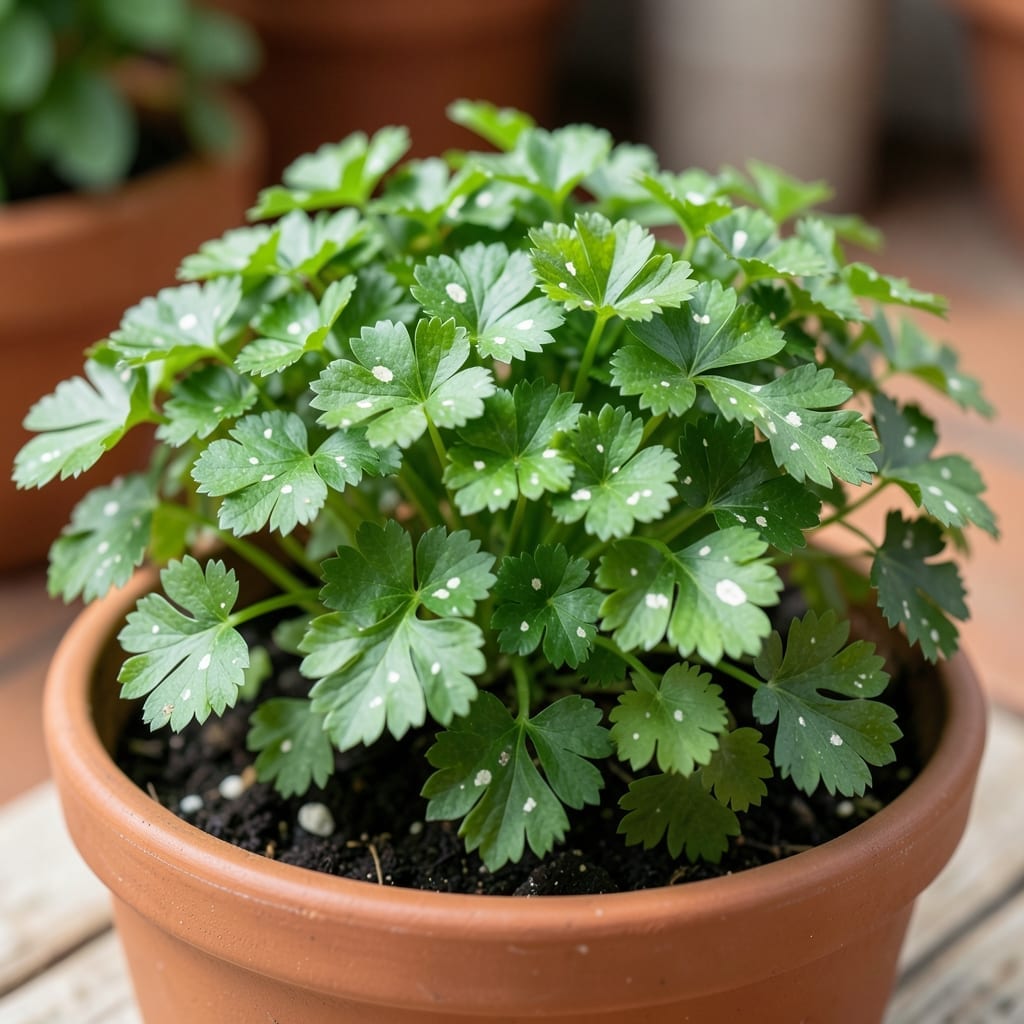
White spots on parsley leaves ruined my last harvest. I traced it to powdery mildew—turns out, parsley hates damp leaves and poor airflow. The spots started small but spread fast, leaving my plants stunted and sad.
This isn’t just bad luck. Most cases come from too much moisture or crowded conditions. I fixed mine by spacing plants 8-12 inches apart and watering at the base. Morning sun helps dry leaves quickly, which stops the fungus in its tracks.
You’ll see improvement in 7-10 days with the right treatment. A simple baking soda spray or neem oil works wonders. Prevention is easier than cure, so start adjusting habits now before it spreads.
Works for flat-leaf and curly parsley, plus other herbs in your garden. Here’s how to tackle it for good.
White spots on parsley are often a sign of underlying issues, ranging from fungal infections to environmental stressors. Here’s a breakdown of the most common causes:
Fungi like Powdery Mildew (Erysiphe spp.) or Downy Mildew (Plasmopara spp.) thrive in humid, poorly ventilated conditions. These pathogens form white, powdery, or downy spots on the foliage, often spreading rapidly. Action: Improve airflow, avoid overhead watering, and apply fungicides like copper or neem oil.
Insects such as aphids, whiteflies, or spider mites can leave behind sticky residue (honeydew) or cause stippling that appears as white spots. Their feeding weakens the plant and may introduce secondary infections. Action: Use insecticidal soap or introduce beneficial predators like ladybugs.
Overwatering, high humidity, or sudden temperature swings can stress parsley, leading to white discoloration. Excess moisture on leaves encourages fungal growth, while nutrient deficiencies (e.g., calcium or magnesium) may manifest as spots. Action: Water at the base, ensure well-draining soil, and maintain consistent growing conditions.
Herbicide drift, excessive fertilizer burn, or physical injury (e.g., from tools or hail) can create localized white or necrotic spots. These are often irregular and concentrated in exposed areas. Action: Rinse off chemicals immediately, adjust fertilizer doses, and protect plants from mechanical damage.
When white spots appear on your parsley, act fast to restore its health. Below are targeted solutions for the most common causes, along with prevention tips to keep your plants thriving.
Fix: Remove affected leaves immediately to stop the spread. Apply a baking soda spray (1 tsp baking soda + 1 quart water + a few drops of dish soap) weekly until symptoms disappear. For severe cases, use a copper-based fungicide as directed. Improve air circulation by spacing plants 12–18 inches apart.
Prevent: Water at the base of the plant (avoid wetting leaves) and use drip irrigation. 💡 Pro tip: Plant parsley in full sun to reduce humidity buildup.
Fix: Blast pests off with a strong stream of water, then apply neem oil or insecticidal soap every 3–4 days until gone. For stubborn outbreaks, introduce beneficial insects like ladybugs.
Prevent: Inspect plants regularly, especially leaf undersides. ✨ Pro tip: Companion plant with chives or marigolds to repel pests naturally.
Fix: Move potted parsley to partial shade during peak afternoon heat. For in-ground plants, use shade cloth (30–40% density) to filter intense sunlight. Trim damaged leaves to redirect energy to healthy growth.
Prevent: Acclimate seedlings gradually to outdoor conditions (harden off for 7–10 days). 🌡️ Pro tip: Mulch around the base to retain soil moisture and regulate temperature.
Fix: Let the soil dry out slightly between waterings. If the plant is waterlogged, repot it in fresh, well-draining soil or amend garden beds with compost. Trim blackened or mushy roots before replanting.
Prevent: Use containers with drainage holes and a quality potting mix. 🎯 Pro tip: Stick your finger 1 inch into the soil—water only if it feels dry.
Fix: Test your soil (kits are available at garden centers). Amend with a balanced fertilizer (10-10-10) or organic options like fish emulsion for nitrogen. Yellowing leaves with white spots may indicate magnesium deficiency—apply Epsom salt (1 tbsp per gallon of water) as a foliar spray.
Prevent: Feed parsley lightly every 4–6 weeks during the growing season. ✨ Pro tip: Rotate crops yearly to prevent soil depletion.
Not always. While fungal infections are common, white spots can also stem from pest damage, sunburn, or chemical exposure.
Powdery mildew can spread across a plant in 3-7 days under damp, crowded conditions. Act fast to prevent it from reaching neighboring plants.
Yes! A baking soda spray (1 tsp baking soda + 1 quart water + dish soap) applied weekly can stop fungal spread.
Improve airflow by spacing plants 12-18 inches apart, water at the base, and ensure full sun exposure.